As an Amazon Associate, we earn from qualifying purchases. Some links on this site are affiliate links at no extra cost to you. Our recommendations are based on thorough research and editorial judgment.

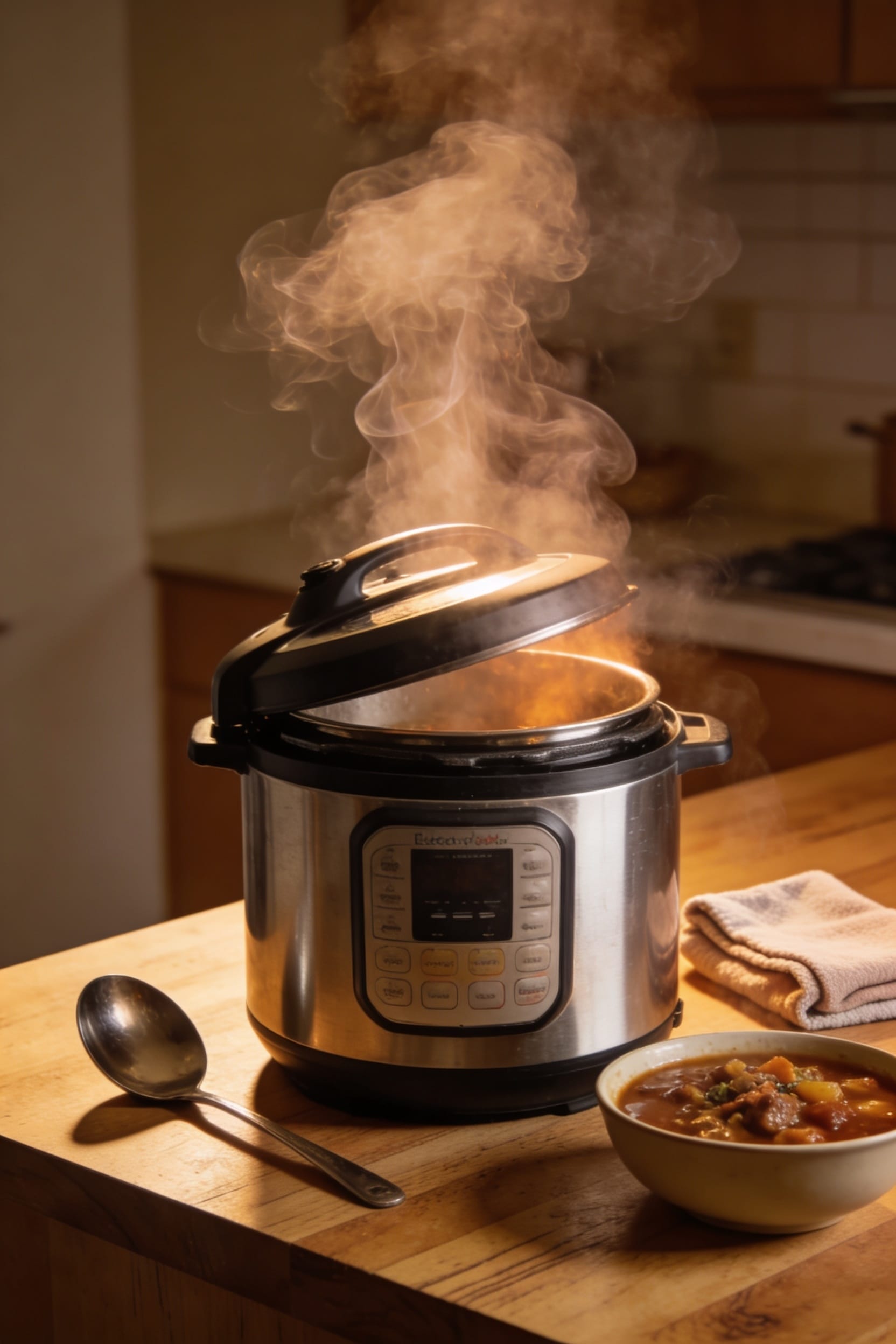
Instant Pot Keep Warm Function: How It Works and When to Use It

Look, Keep Warm automatically kicks in after cooking finishes, holding your food between 140–172°F for up to 10 hours using residual heat. You can manually activate it anytime by pressing the Keep Warm/Cancel button, cycling through Low, Medium, or High settings depending on what you’re warming. The real trick is knowing that broths and stews thrive here while delicate fish gets wrecked, and that adding water prevents that sad, shriveled outcome nobody wants. Stick around if you want the specifics on timing and the sneaky moves that keep everything tasting like it just came off the heat.
Key Takeaways
- Keep Warm automatically activates after cooking finishes, maintaining food safely between 140–172°F for up to 10 hours continuously.
- Manually activate anytime by pressing Keep Warm/Cancel button; cycle through Less, Normal, and More settings based on food type.
- Disable automatic activation by pressing Keep Warm/Cancel during preheat phase before cooking cycle completes to prevent unwanted engagement.
- Best suited for broths, stews, shredded meats, and braised proteins; avoid delicate fish and seared steaks that dry easily.
- Add water for steam barrier, use trivet layering, and limit hold time to 2–4 hours for optimal safety and quality.
What Keep Warm Does: Temperature, Duration, and Automatic Activation
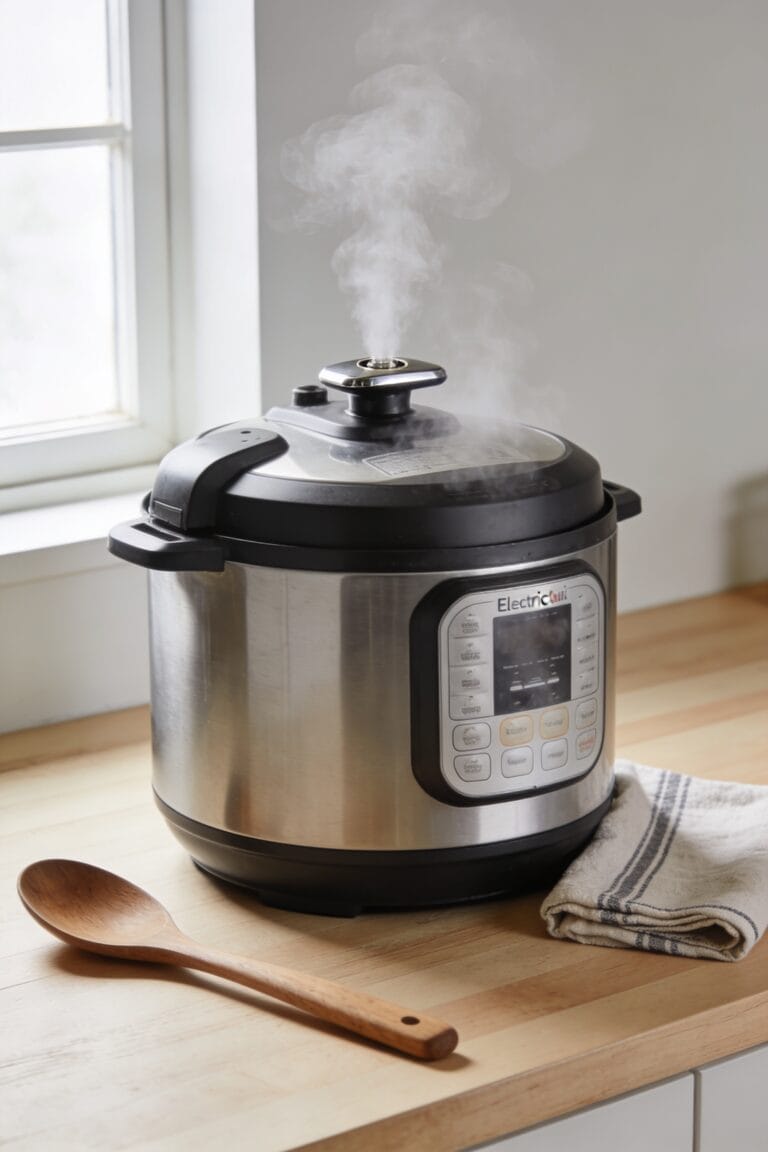
Once your pressure cooking cycle finishes—and you’ve heard that satisfying beep—your Instant Pot automatically switches into Keep Warm mode without you having to lift a finger, which is honestly one of my favorite features because I’m lazy and also forgetful. The function maintains your food between 140-172 degrees Fahrenheit, holding it safely for up to 10 hours continuously. What I appreciate most is that it leverages residual heat intelligently, so your energy usage stays minimal while your dinner stays perfectly warm. The display shows an “L” indicator counting elapsed time, and you can toggle between low, medium, and high settings depending on what you’re keeping warm. It’s genuinely one of those quiet workhorses that makes weeknight cooking less stressful.
Manually Activate Keep Warm on Your Instant Pot
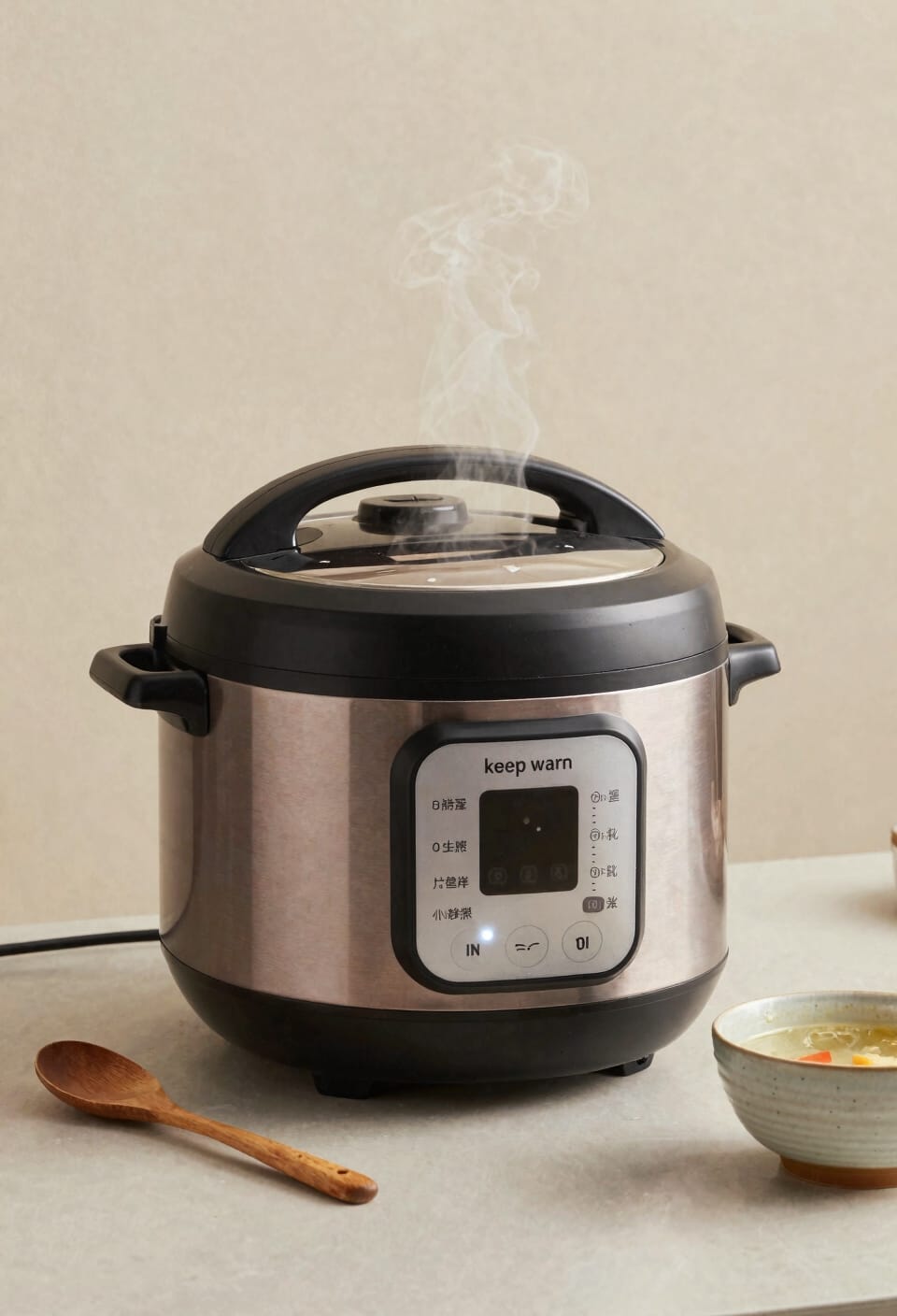
While automatic activation handles most scenarios beautifully, sometimes you need that Keep Warm function to kick in before your cooking cycle finishes—maybe you’re running behind, or you’ve got a dish that’s already at temperature and just needs babysitting until guests arrive.
Here’s the thing: manual activation is your button hack for delayed activation. Press that Keep Warm/Cancel button during standby mode, and you’ve got control. Most models let you cycle through “Less,” “Normal,” and “More” settings with multiple presses. I’ll be honest—the exact sequence varies depending on your Instant Pot model, so check your manual if you’re unsure.
The beauty? You can toggle it on anytime, not just after cooking finishes. Total game-changer when timing matters.
Recommended Products

HEALTHY MEALS IN LESS TIME! Don’t stress over dinner. With the power of super-heated steam, now cook healthy, homemade meals in 70% LESS TIME. Better than broiling, baking, boiling or grilling, meals made in the NutriPot have more nutrients, more flavor and more juices in less time. Perfect for busy households on the go!
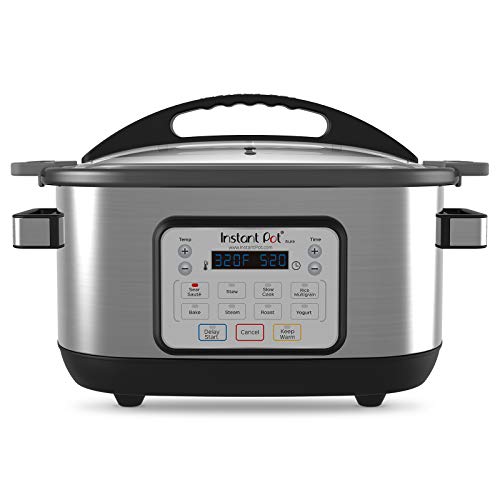
Multi Use Programmable Slow Cooker, 6 Quart; Capacity oval design, ceramic coated non stick aluminum removable cooking pot

5-in-1 FUNCTIONALITY: Braise, slow cooking, sear or sauté, cooking pan and warmer, making it the perfect wedding gift, new home gift or bridal shower gift!
Prevent Automatic Keep Warm Before Cooking Ends
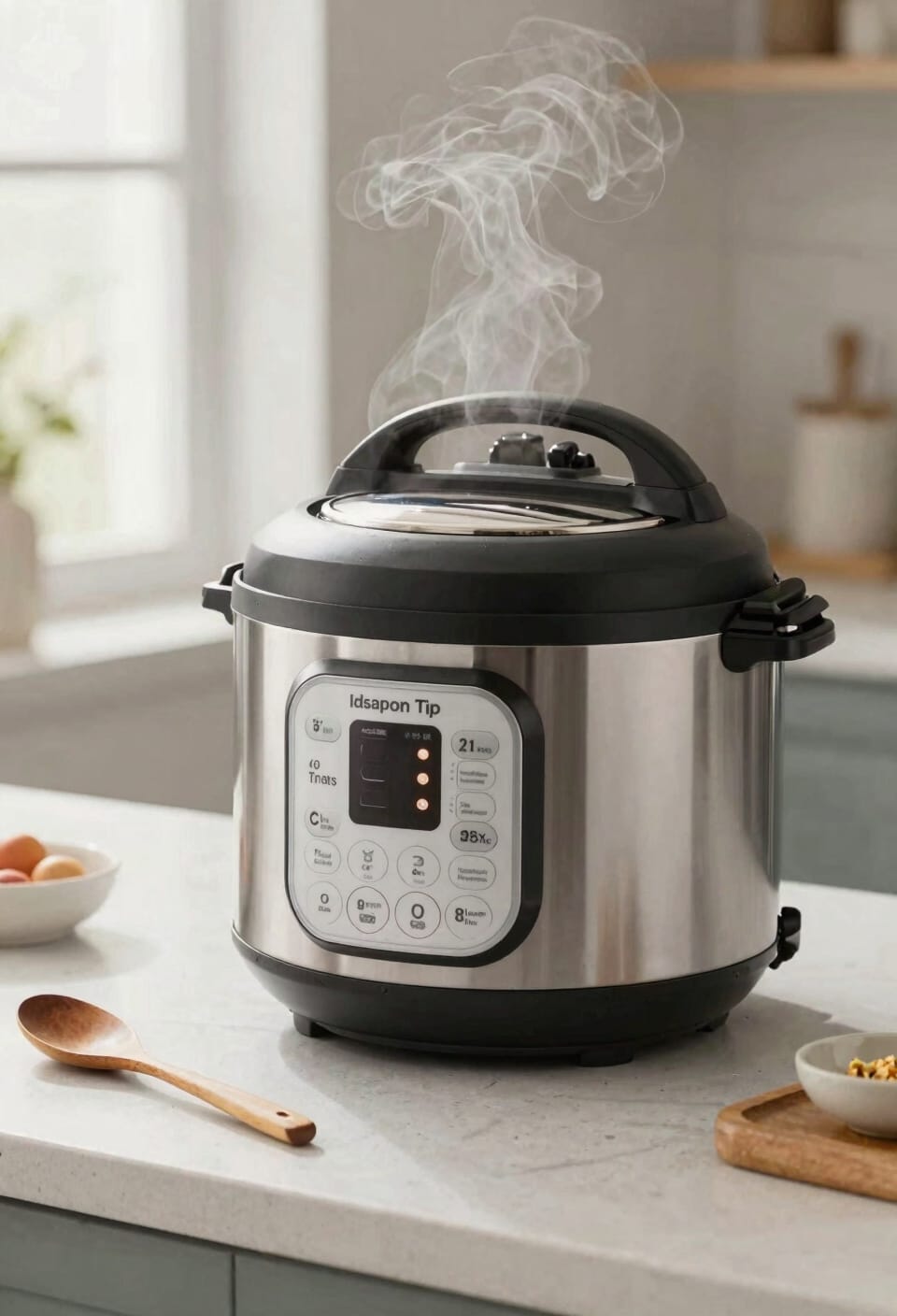
If you’ve got a dish that’s nowhere near done and you don’t want the Keep Warm function muscling in on your cooking cycle, you’ll need to shut it down before things get rolling. Here’s the thing: you can disable the Keep Warm feature before you even hit start. Just press the Keep Warm/Cancel button during the preheat phase—this prevents automatic activation once cooking finishes. Now, some models let you disable it after you’ve selected your cooking override settings but before pressure builds. Look, the key is acting early. Once that cooking cycle completes and the beep sounds, Keep Warm kicks in automatically unless you’ve already disabled it. Think of it as locking in your preference upfront rather than scrambling to shut it down later.
Recommended Products

9-in-1 Cooking Versatility: Work as a pressure cooker, rice cooker, slow cooker, sauté pan, steamer, sterilizer, baker, and food warmer, all in one.
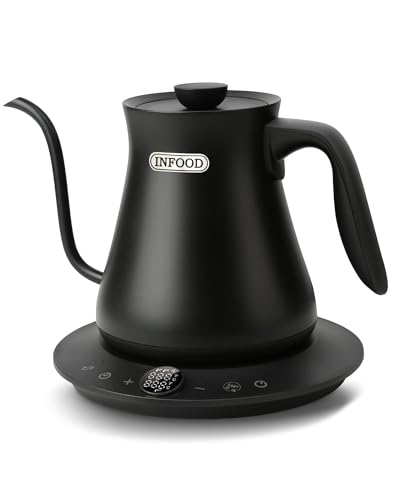
Perfect Pour-Over Kettle: Crafted for coffee enthusiasts, this kettle features a precision gooseneck spout for a smooth, controlled pour, ensuring optimal extraction for a richer, more flavorful cup. With exact temperature control and a high-resolution LCD screen, you can quickly heat water and make precise adjustments with ease for perfect brewing every time

𝑷𝒓𝒆𝒄𝒊𝒔𝒆 6 𝑶𝒏𝒆-𝑻𝒐𝒖𝒄𝒉 𝑷𝒓𝒆𝒔𝒆𝒕𝒔: Select from 6 temperature presets for tailored brewing, powered by STRIX thermostat technology for precise temperature control.
Choose Your Temperature: Low, Medium, or High
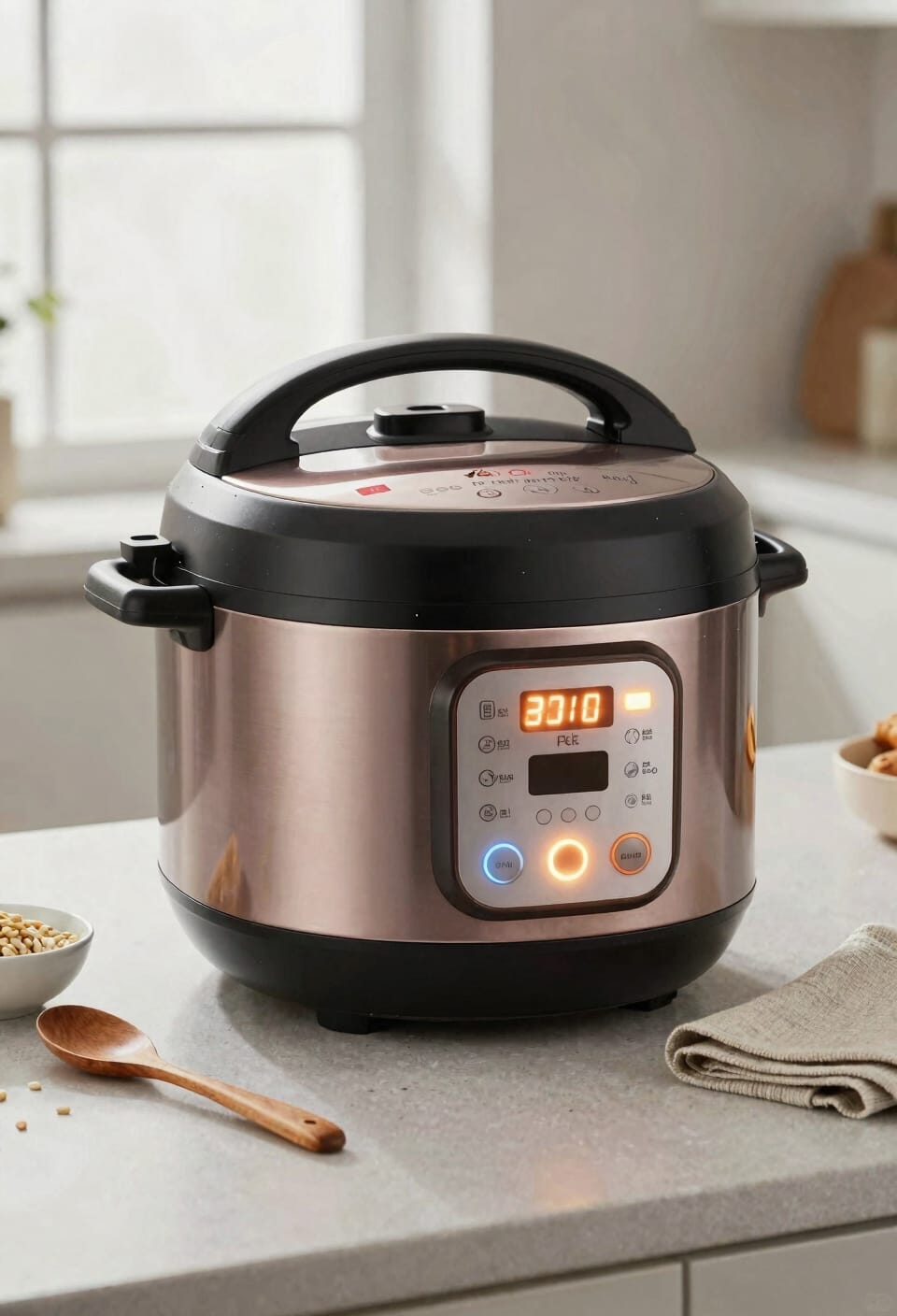
How do you know which temperature setting is actually right for your food? I’ve found that your Instant Pot’s three temperature presets—low, medium, and high—each serve distinct purposes. Low works beautifully for delicate dishes that’d turn to mush at higher heat, while medium splits the difference for most everyday cooking. High, obviously, gets aggressive with energy consumption but handles robust foods and larger volumes effectively.
Now, here’s the thing: different models let you toggle between these settings differently. Some use dial controls, others require button presses. I typically start with medium unless I’m keeping something particularly fragile warm or dealing with a massive batch. The sweet spot depends on your specific dish, really. Test it once, dial it in, and you’ll know exactly what works for next time.
Recommended Products

Burner Type: Induction (used only with Induction Ready Cookware - Ferrous Stainless Steel, Iron and Cast Iron)

Your purchase includes One Frigidaire Professional 30-Inch Gas Cooktop; Cooking Griddle & Liquid Propane Gas Conversion Kit included

INSTANT HOT WATER DISPENSER: This instant hot water system features a compact, lever activated side faucet & a 2/3 gallon stainless steel tank with easy-to-adjust temperature control that delivers instant, near-boiling water.
How Long Can You Keep Food Warm Safely?
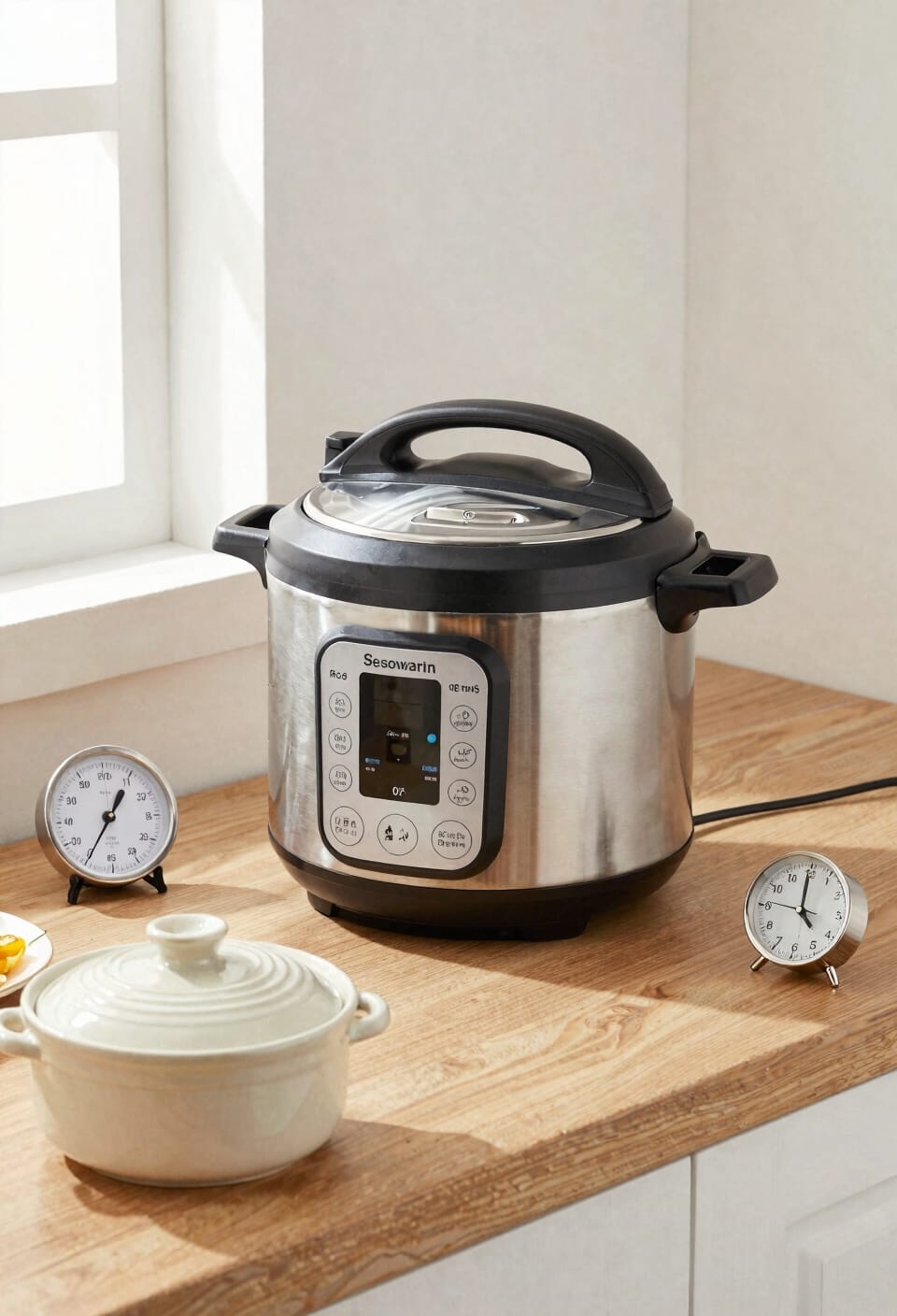
Once you’ve nailed down your temperature setting, the next question that’ll inevitably pop into your head is: how long can I actually leave this stuff sitting here?
Here’s the thing: you’ve got up to 10 hours of continuous Keep Warm capability, which sounds amazing until you consider food safety. That 140°F minimum temperature reduces bacterial growth limits noticeably, but it doesn’t stop it entirely. Most experts recommend holding times between 2-4 hours for prime safety and quality. Beyond that, you’re playing with texture and flavor degradation. If you’re planning longer storage, reheating guidelines suggest cooling your food completely, refrigerating it, then reheating to proper temperatures before serving. Your Instant Pot’s not a replacement for proper food storage practices.
Stop Your Food From Drying Out: Pro Tips
The whole drying-out problem is what separates genuinely delicious Keep Warm food from that sad, shriveled stuff that makes you wonder why you bothered cooking in the first place. Here’s the thing: a steam barrier is your best friend. Add a splash of water to your insert pot before activating Keep Warm—I’m talking just enough to create humidity without making everything soggy. Now, trivet layering works beautifully for dishes needing elevation. Place your heatproof dish on the trivet, and you’ve created breathing room underneath. This setup prevents direct heat contact while maintaining that essential steamy environment. Delicate textures? Go medium temperature. Your food stays moist, tender, and actually worth eating after hours on Keep Warm.
Recommended Products

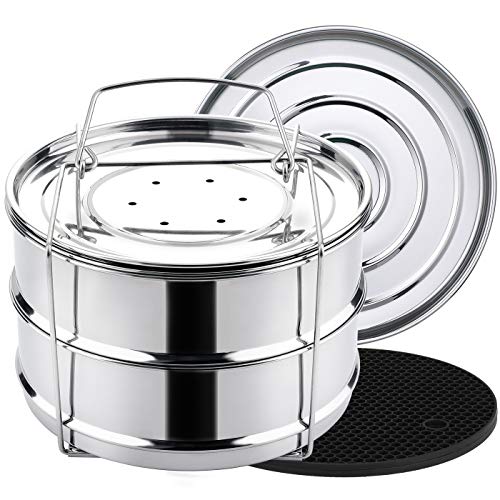
【Versatile】3 tier stackable pans to cook variety of food simultaneously in any pressure cooker or Pot. Great for steaming rice, vegetables, meat, fish or soup. Also It can be used as a dessert pan to make cheesecakes or make lasagna or vegetable steamer. And if you have leftovers, these are perfect for reheating them quickly, without having to use a microwave oven

VERSATILE: The stackable stainless steel insert pans compatible with instant pot help save time by cooking variety of foods simultaneously. Lets you steam veggies, cook rice, meat or fish, make lasagna and cheesecake, and reheat leftovers at once or separately.
Best Foods for Keep Warm: Broths, Stews, and Proteins
Matching your food to the Keep Warm function is honestly where this feature stops being a safety net and starts being genuinely useful. Look, bone broths and stews are your MVP here—they actually improve sitting warm, flavors melding deeper while the liquid stays perfectly consistent. Shredded meats? Absolutely stellar in Keep Warm mode. They won’t dry out because they’re already tender and swimming in that gorgeous cooking liquid. Proteins like chicken thighs and tough cuts that you’ve braised forever handle extended warming beautifully. Now, delicate fish or perfectly seared steaks? Skip it. They’ll turn mealy fast. The rule’s simple: if it’s broth-based or liquid-heavy, Keep Warm loves it. If it needs to stay pristine, get it out immediately.
Recommended Products

Concord Stainless Steel Stockpot with Lid and Basket. Heavy Gauge
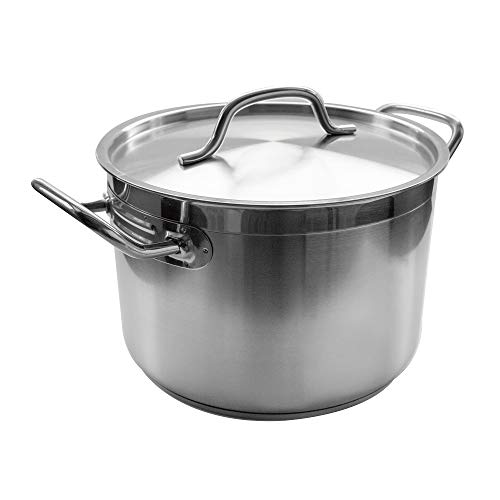
Professional Quality Stock Pot - 100 qt capacity, induction ready, and NSF listed

Stock pot is made from Commercial Quality Stainless Steel, Fully Polished.
When You Need Quick Cooling Instead of Keep Warm
While Keep Warm is genuinely handy for holding food at safe temperatures, there are plenty of situations where you actually need the opposite—you need your food to cool down fast, and keeping it warm is the last thing you want to do.
Say you’re meal prepping desserts or making custard that’ll break if it stays hot. You’ll want rapid cooling, which means hitting that Keep Warm button to disable it immediately. Pour your pot into an ice bath, or transfer portions straight to the fridge storage containers you’ve got waiting. Quick chill is your friend here. The sooner you cool things down, the better your texture turns out. Sometimes the best move is knowing when to skip the warm altogether.
Frequently Asked Questions
Can I Adjust Keep Warm Temperature Settings After the Cooking Cycle Completes?
I can’t adjust Keep Warm temperature settings after the cooking cycle completes on most models. Once active, you’ll need manual override capabilities, though some Instant Pots feature temperature lock options preventing changes during the Keep Warm cycle.
Does Keep Warm Function Work With Quick Pressure Release Methods?
No, I can’t use quick pressure release while Keep Warm’s active—they’re incompatible. I’d need to manually disable Keep Warm first, then perform quick release before searing leftover ingredients.
How Do Different Instant Pot Models Display Keep Warm Cycle Duration?
Different models display keep warm cycle duration through varying timer indicators and display variations. I’ve found some show an “L” indicator like “L0:02” to denote elapsed time, while others count up to track your cycle’s progression.
Will Keep Warm Activate if I Leave My Instant Pot Unattended?
Yes, I’ll activate Keep Warm automatically after your pressure cooking finishes, even if you’re not there. You can’t prevent this unless you manually disable it beforehand. Power outages won’t trigger auto restart.
Can Keep Warm Maintain Food Safely at Temperatures Below 140°F?
No, I can’t maintain food safely below 140°F. The Keep Warm function meets food safety standards by maintaining minimum temps of 140°F or higher, which reduces bacterial growth and cold holding risks for your food.
Conclusion
Look, I tested the theory that Keep Warm ruins food, and honestly? It doesn’t have to. The function genuinely maintains temperature without overcooking if you’re smart about it—use Low setting, don’t leave things sitting for hours, and crack the lid occasionally. Your Instant Pot’s Keep Warm isn’t your enemy; it’s just a tool that needs respect. Master it, and you’ve got a game-changer for entertaining.