As an Amazon Associate, we earn from qualifying purchases. Some links on this site are affiliate links at no extra cost to you. Our recommendations are based on thorough research and editorial judgment.

Instant Pot Functions Explained: Complete Guide

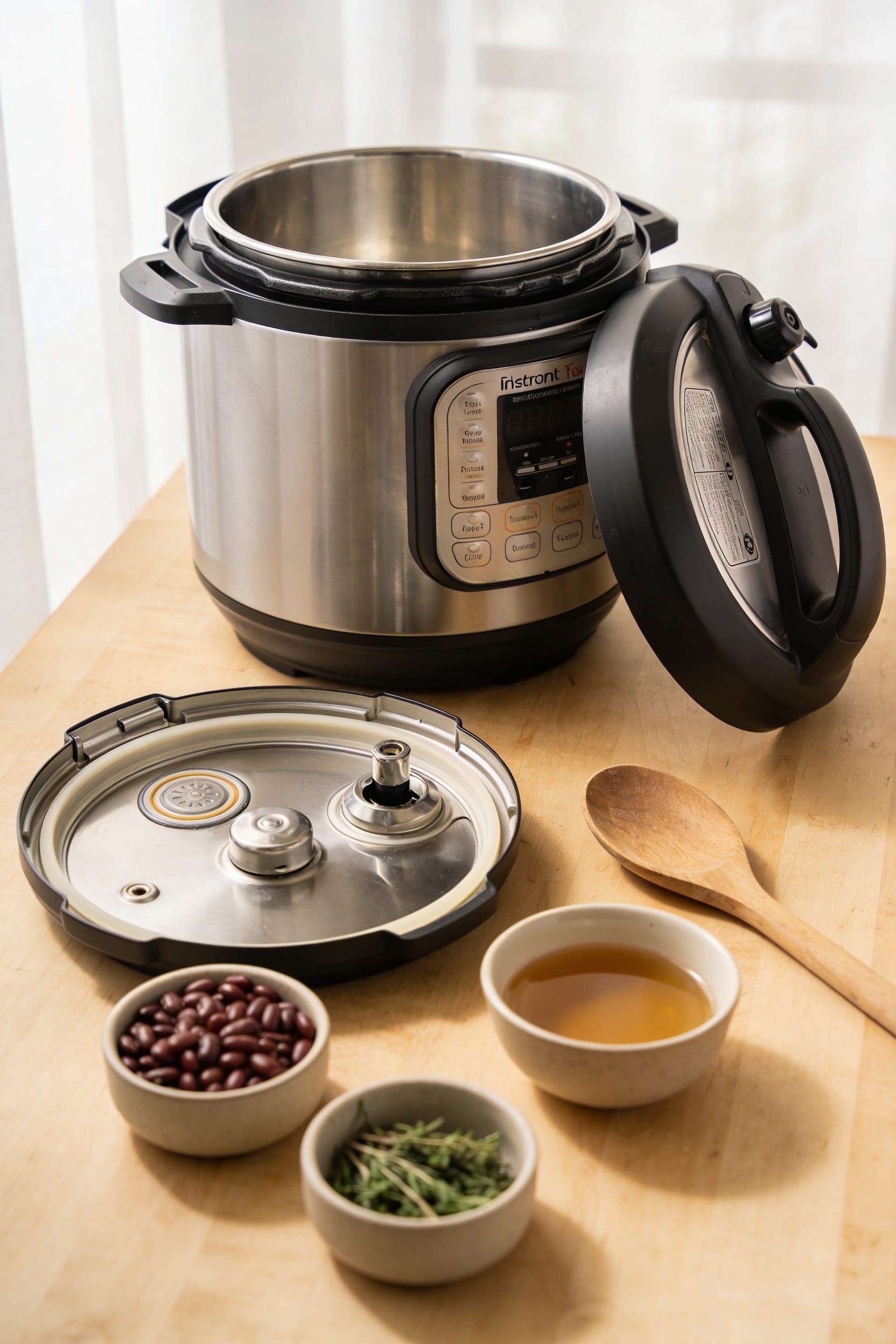
Look, your Instant Pot’s got six core functions, and most people use maybe two of them. Pressure cook blasts food tender in minutes, slow cook develops flavor over time, sauté browns meat and builds fond, steam keeps vegetables crisp, specialized programs handle rice and beans perfectly, and keep warm holds everything at temperature while you finish other tasks. Each one solves a different cooking problem rather than just being a faster version of something else, which is why understanding when to use what actually transforms your cooking.
Key Takeaways
- Pressure cook builds heat fast for tender meat in minutes; slow cook develops deeper flavors gradually over hours using less electricity.
- Sauté offers three modes—Less for simmering, Normal for searing, More for stir-frying—with browning creating fond that enhances cooking liquid flavor.
- Steam cook tenderizes vegetables gently without mushiness, while specialized programs like Rice and Bean optimize texture for specific ingredients.
- Keep Warm maintains food at three temperature settings (135°F, 145°F, 167°F) with auto shutoff up to ten hours after cooking.
- Soup/Broth program creates clear, flavorful broths; Porridge adjusts texture from oatmeal to soft beans based on selected pressure level.
The 6 Core Instant Pot Functions Explained
Let me break down the six core functions you’ll actually use on your Instant Pot, because honestly, once you understand what each one does, the machine stops feeling like some mysterious pressure vessel and starts feeling like a genuinely useful kitchen tool. You’ve got pressure cook, which is the workhorse—it’s why most people buy these things. Then there’s steam cook, perfect for vegetables when you want them tender without turning into mush. Sauté tips: use the Less mode for simmering, Normal for searing meat, More for stir-frying. Slow cook mimics traditional slow cookers across three temperatures. Keep Warm maintains food at your preferred heat. Finally, specialized programs handle beans, rice, soups, and porridge. Master these six, and you’re golden.
Recommended Products
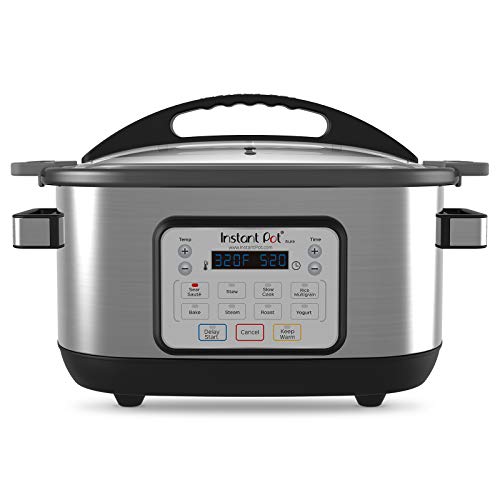
Multi Use Programmable Slow Cooker, 6 Quart; Capacity oval design, ceramic coated non stick aluminum removable cooking pot

9-IN-1 FUNCTIONALITY: Pressure cook, slow cook, rice cooker, yogurt maker, steamer, sauté pan, yogurt maker, sterilizer and food warmer.

Cooks Fast and Saves Time: The Instant Pot Duo multi-cooker combines 6 appliances in one: pressure cooker, slow cooker, rice cooker, steamer and warmer – and cooks up to 70% faster
Pressure vs. Slow: Which Should You Choose?
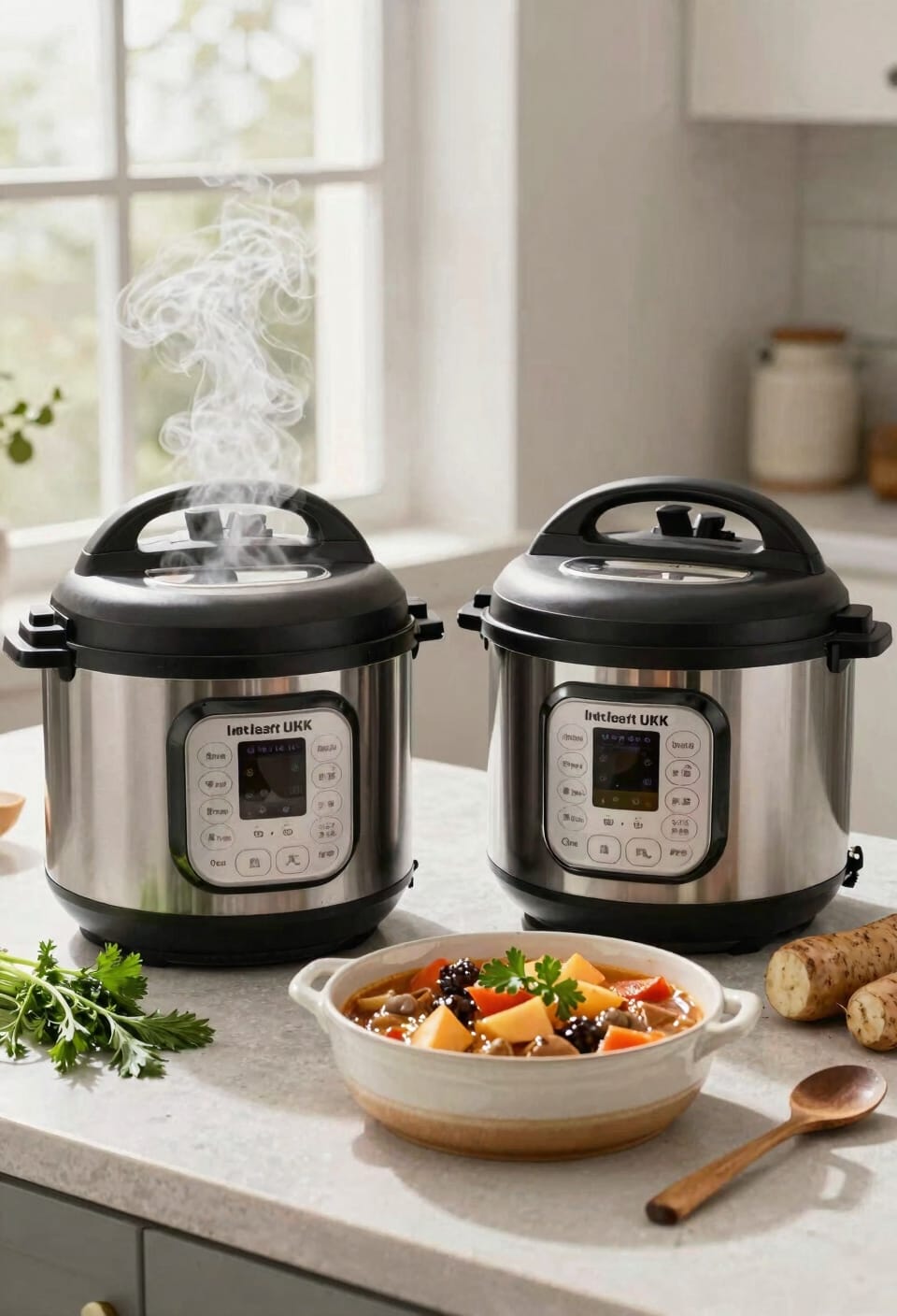
Now that you’ve got the core functions down, here’s the thing—pressure cook and slow cook seem like they’re doing the same job, just at different speeds, but they’re actually solving different problems in your kitchen. Pressure cooking builds serious heat fast, creating dramatic texture differences—your meat gets tender in minutes instead of hours. Slow cooking? It’s the tortoise approach, breaking down collagen gradually and deepening flavors you can’t rush. Energy consumption matters here too. Pressure cook‘s lightning-fast sessions use way less electricity than slow cook’s all-day marathon. So pick pressure when you’re hungry now and need results yesterday. Choose slow when you’ve got time and want those complex, developed flavors that only patience delivers.
Recommended Products


【Details of Cooker】:Kolice pressure cooker comes with stainless steel exterior and non-stick Inner Pot. This is heavy duty commercial cooker. ONLY FOR 220V electric (NOT 110V ), 50HZ~60HZ, US plug, 3000W, 21L (22 QT). Dimensions: 20.87” x20.87”x18.90” (53x53x48cm), N.W.: 16 kgs. Food grade inner pot with non-stick coating, smart AI temperature control, lid closed detection and won’t heat if not closed, included time indication light and pressure holding indication light. 24 hours timer control and presetting function
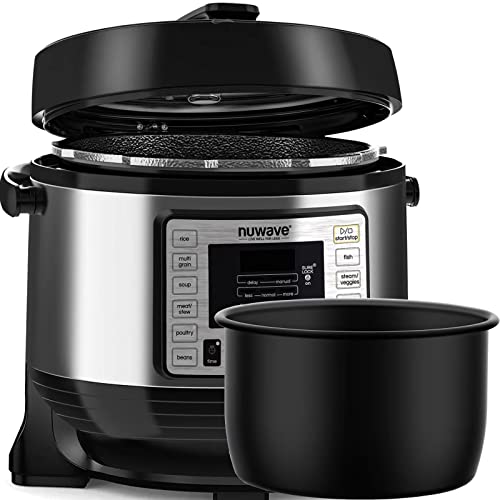
VERSATILE – The Nutri-Pot can sear, stew, steam, simmer, bake, can, slow cook and keep your food warm with just push of a button. Prepare everything from soups and desserts to complete meals for the whole family in no time at all. It also comes with a 200 Recipe Book!
Sauté for Flavor: Building Better Dishes
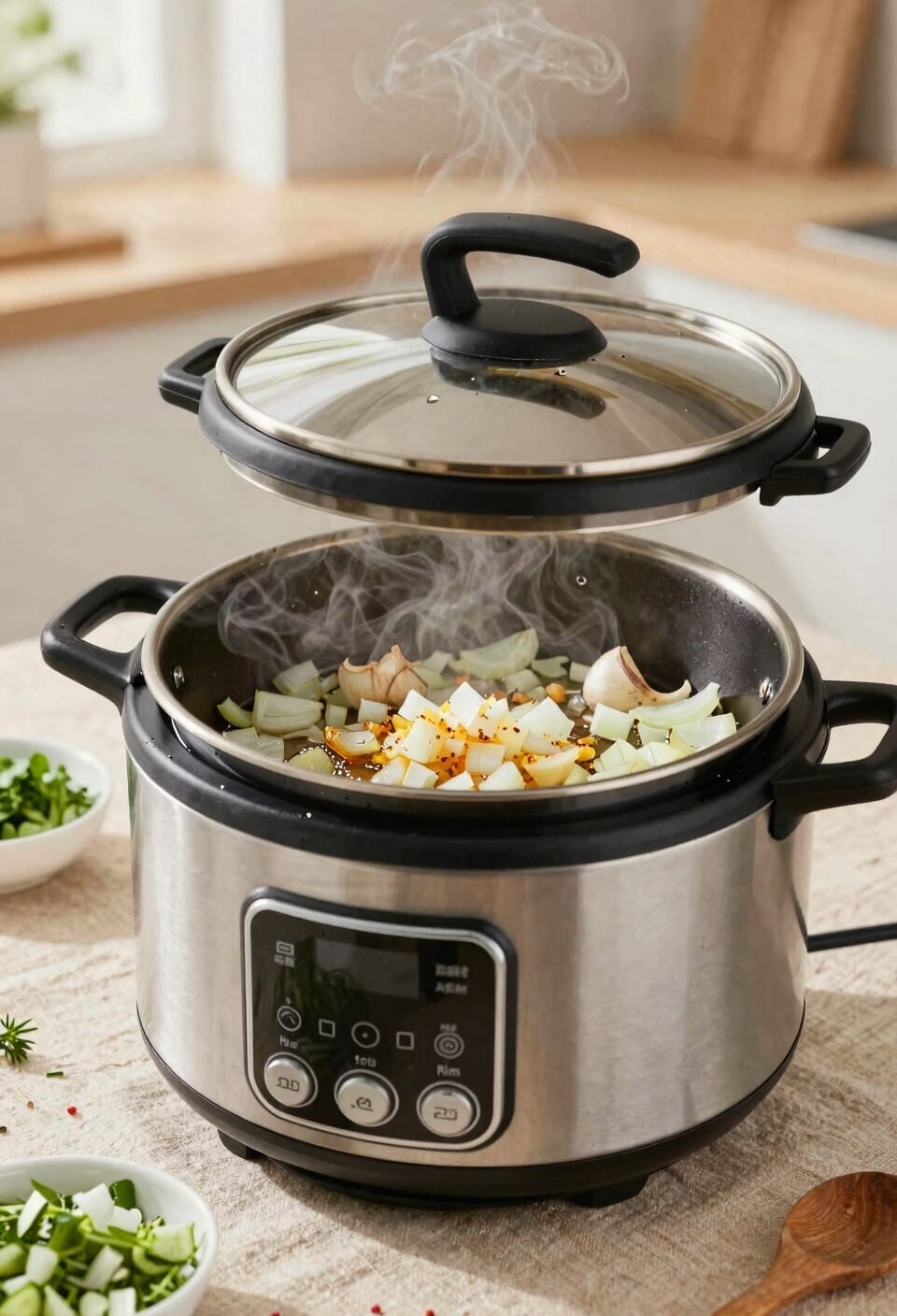
I’m talking about the Sauté function, which is honestly where the magic starts. You’ve got three modes to work with: Less for simmering and gentle cooking, Normal for searing meat (where those browning techniques create serious depth), and More for roasting and stir-frying.
Here’s the thing—when you brown your ingredients properly, you’re building fond development on the bottom of the pot. That crusty, caramelized stuff isn’t a mistake; it’s liquid gold. Those browned bits dissolve into your cooking liquid and transform everything that follows. Just remember the 30-minute safety limit and keep that lid off.
Recommended Products
【5-Zone Cooking Power for Bigger Meal Flexibility】: Designed for family-sized meals or gourmet prep, this 36-inch cooktop offers five heating zones to accommodate multiple pots and pans at once. With evenly distributed induction technology, every zone responds quickly and maintains consistent heat—ideal for large households, meal prepping, or dinner parties without delays.

7 IN 1 FUNCTIONALITY - Pressure cooking, slow cooking, stir-fry, steam, eggs, yogurt and keep warm - all in one compact device!

13 Cooking Functions: Pressure cook, air fry, slow cook, steam, sauté, roast, bake, broil, dehydrate, sous vide, make yogurt, proof bread, or simply keep your meal warm— all in one appliance.
Specialized Programs: Rice, Beans, Soup, and Porridge
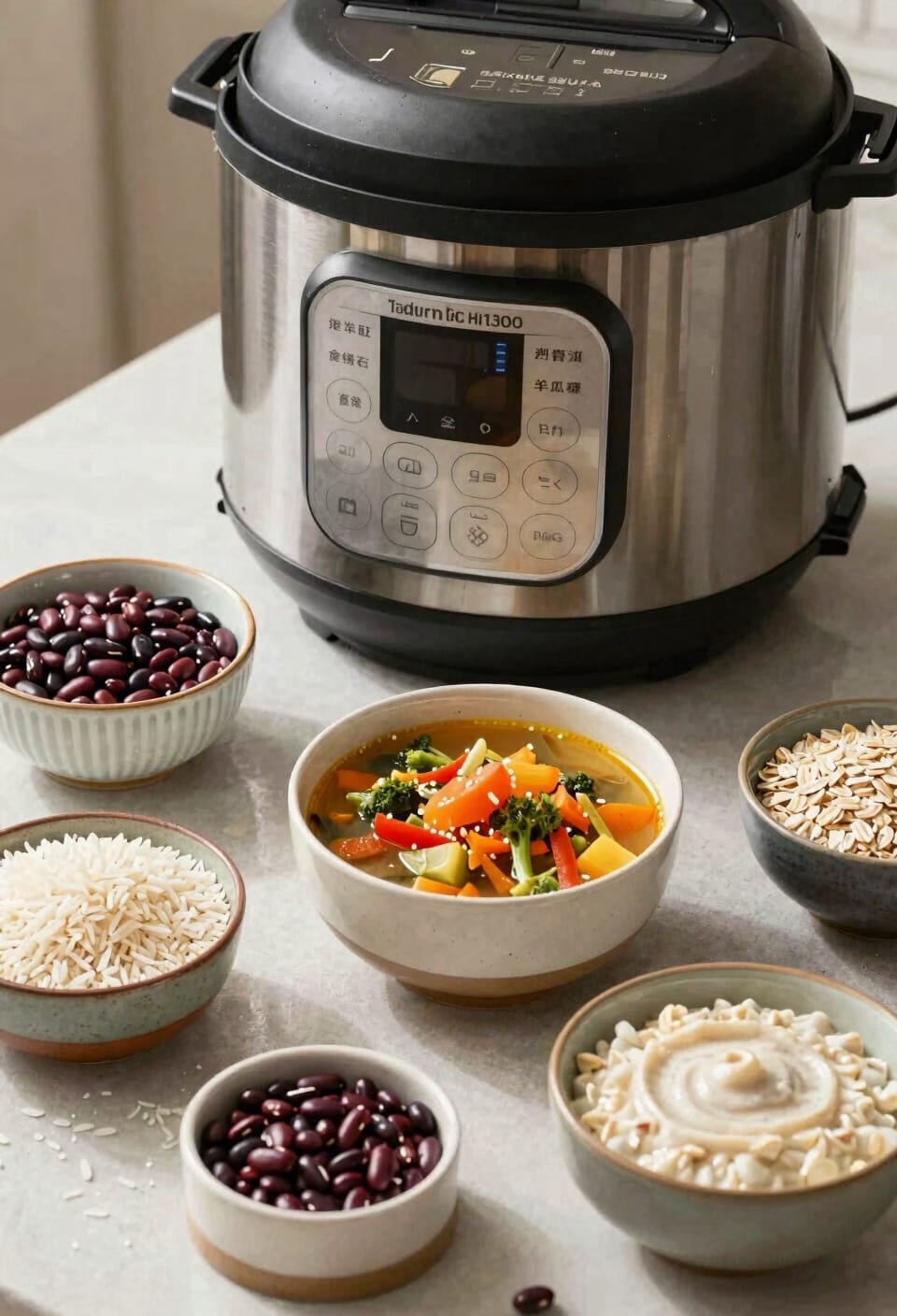
Beyond the foundational cooking methods lies a collection of specialized programs that’ll save you serious time and headache once you understand what each one actually does. The Rice program uses low pressure and lets you adjust texture variations—Less for firmer grains, Normal for balanced, More if you want everything practically dissolving together. Bean/Chili hammers away at high pressure for 30 minutes, which honestly makes soaking benefits less critical than traditional methods, though I still soak overnight because old habits die hard. The Soup/Broth program‘s built-in intelligence creates genuinely clear, flavorful broths without that cloudy mess. Porridge gives you flexibility too—Less handles oatmeal, Normal manages rice porridge, More tackles beans. These programs aren’t just shortcuts; they’re genuinely engineered for specific results.
Recommended Products
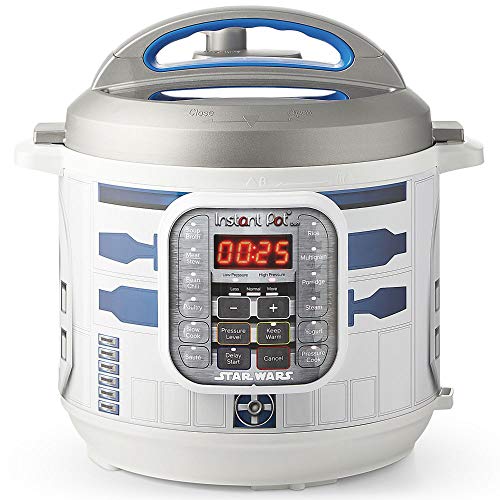
Features 14 Smart Programs - Soup, Meat/Stew, Bean/Chili, Poultry, Sauté/Simmer, Rice, Multigrain, Porridge, Steam, Slow Cook, Keep Warm, Yogurt, Manual, and Pressure Cook. Now, your favorite dishes are as easy as pressing a button

Best selling model: America’s most loved multi cooker, built with the latest 3rd generation technology, the microprocessor monitors pressure, temperature, keeps time, and adjusts heating intensity and duration to achieve desired results every time

Large 8QT Capacity for Family &Gatherings:The spacious 8-quart poteasily prepares meals for 4-8 people-perfect for family dinners,gatherings, or weekly meal prepwithout needing multiple batches.
Keep Warm: Temperature Settings and Duration
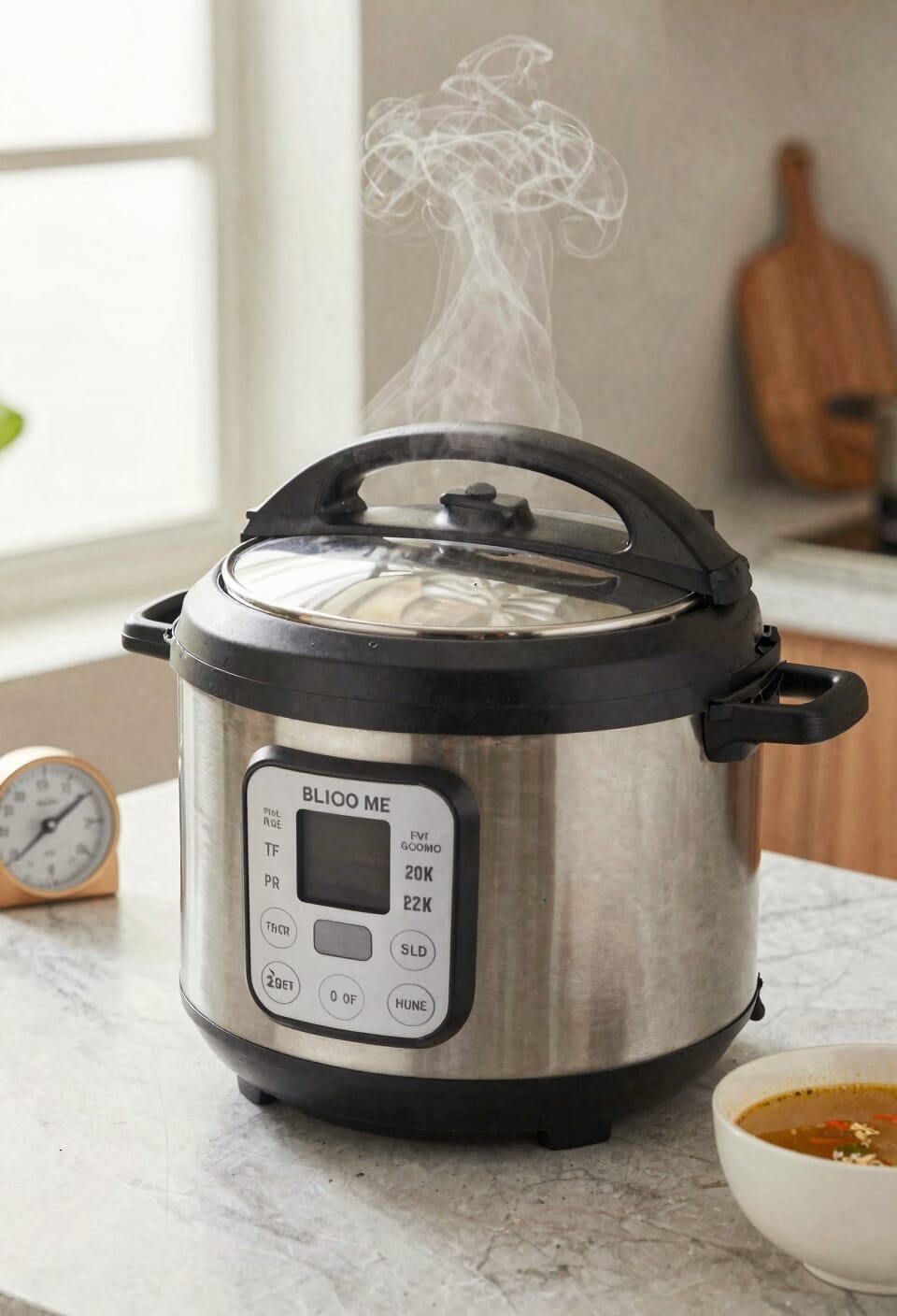
Once you’ve got your food cooked through those specialized programs, you’re going to want it to actually stay warm while you’re finishing up other stuff—and that’s where the Keep Warm function becomes your quiet hero. Here’s the thing: it kicks in automatically after most cooking cycles, which means you don’t have to think about it. You’ve got three temperature presets to choose from—Less at 135°F for delicate stuff, Normal at 145°F for your everyday meals, and More at 167°F if you want things genuinely hot. The auto shutoff timer gives you up to ten hours before everything powers down, and whatever temperature you pick gets saved for next time. That’s real convenience.
Recommended Products
Item Package Dimension: 27.24L x 22.24W x 11.98H inches

HEALTHY MEALS IN LESS TIME! Don’t stress over dinner. With the power of super-heated steam, now cook healthy, homemade meals in 70% LESS TIME. Better than broiling, baking, boiling or grilling, meals made in the NutriPot have more nutrients, more flavor and more juices in less time. Perfect for busy households on the go!

700-watt 3-cup rice cooker and warmer with Induction Heating technology. Note - Capacity is measured in the approx. 6 oz. / 180mL rice measuring cup, using raw short grain white rice. Other grains may vary.
Frequently Asked Questions
Can I Switch Between Pressure Levels Mid-Cooking on My Instant Pot?
I can’t switch pressure levels mid-cooking on your Instant Pot. Once you’ve started a pressure cook cycle, you’re locked into that setting. You’ll need to manually adjust the time using the plus or minus buttons, but changing pressure settings requires canceling and restarting.
How Do I Prevent Nutrients From Being Lost When Pressure Cooking Vegetables?
I’d recommend thinking of steaming as a nutrient shield—it’s your best defense. I use the steam cook function with steaming retention rather than pressure cooking for vegetables. Minimal reheating afterward keeps what’s left intact.
What’s the Difference Between Quick Release and Natural Pressure Release Methods?
I’ll explain the key differences: quick release vents steam immediately by moving the valve, while natural release lets pressure drop gradually on its own. Quick release’s rapid steam venting requires careful valve positioning and seal maintenance, whereas natural release’s extended pressure timing preserves nutrients better in vegetables.
Why Does My Instant Pot Beep After Cooking Finishes, and Can I Disable It?
Did you know 73% of users find audible alerts helpful? Your Instant Pot beeps to notify you that cooking’s finished. Most models don’t offer beep customization or mute options built-in, though some newer versions include user preferences for adjusting alert volume.
Is It Safe to Open the Lid Immediately After the Sauté Function Ends?
I’d recommend waiting a moment before opening the lid. Even though sauté doesn’t build pressure, residual steam escapes through the safety valve, risking a steam burn. Make sure proper lid alignment before carefully opening.
Conclusion
Look, here’s the thing: you bought this fancy pressure cooker to save time, and now you’re spending hours reading about its six functions like it’s a foreign language manual. But that’s actually perfect—because once you stop overthinking it and just start cooking, you’ll realize the Instant Pot isn’t complicated at all. It’s just really, really good at making you look like you know what you’re doing.