As an Amazon Associate, we earn from qualifying purchases. Some links on this site are affiliate links at no extra cost to you. Our recommendations are based on thorough research and editorial judgment.

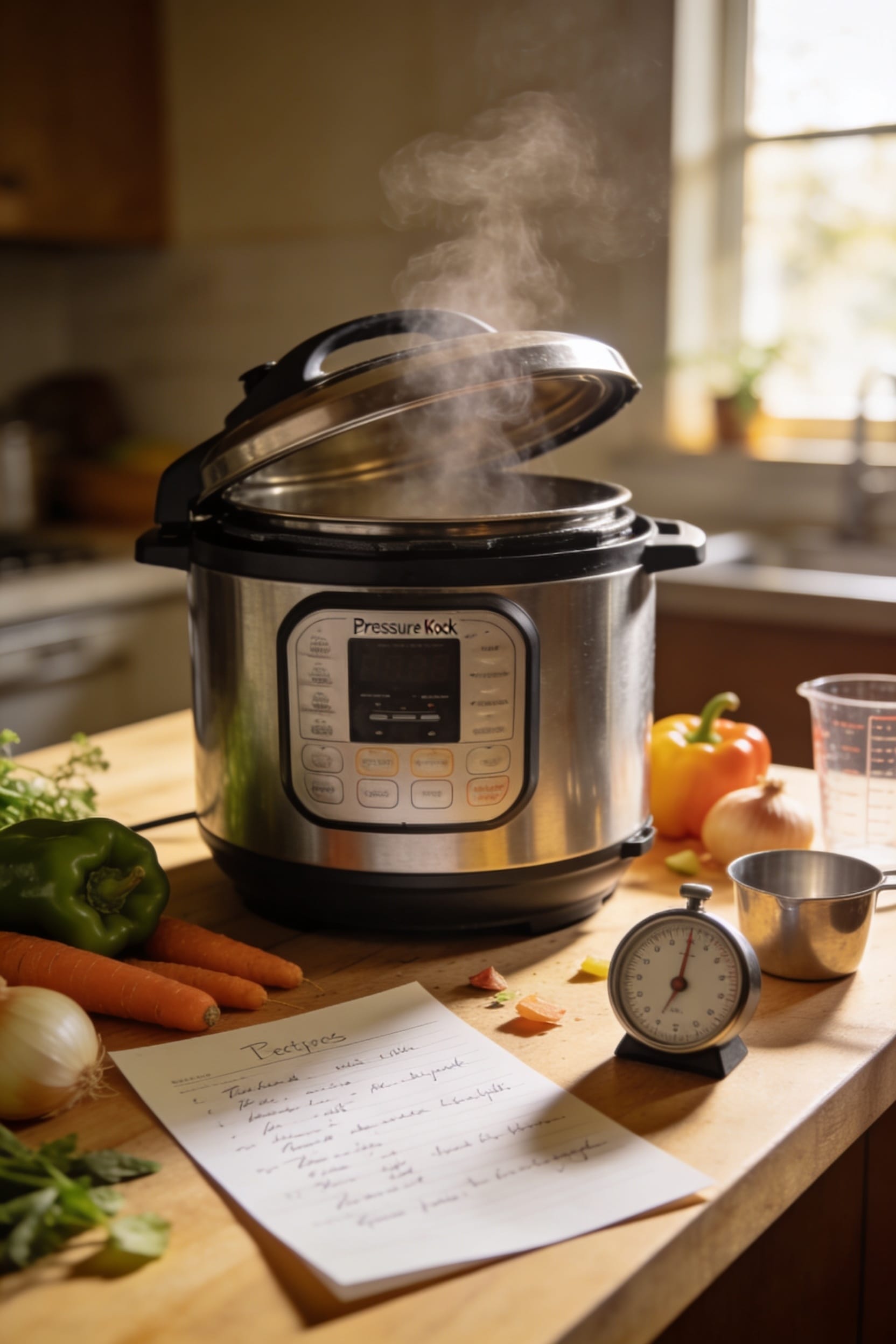
Common Instant Pot Myths Explained and Fact-Checked

Look, I’ve busted enough Instant Pot myths to fill a cookbook. They’re not dangerous—modern machines have solid safety features that actually work. The speed thing? Real, but you’re looking at maybe ten minutes saved once you factor in everything. Nutrients stick around better than you’d think, certain foods crush it under pressure while others flop, and no, you don’t always need liquid. The machine’s genuinely useful, just not a kitchen unicorn. Stick around if you want the actual details on what works and what doesn’t.
Key Takeaways
- Instant Pots are not inherently dangerous; modern units include automatic valves, anti-block shields, and lid-locking mechanisms preventing unsafe operation.
- Time savings are real but modest—approximately ten minutes after accounting for preheating and pressure release, not miraculous compression.
- Pressure cooking retains nutrients effectively through shorter heat exposure; water-soluble vitamin losses are comparable to boiling methods.
- Not all foods suit pressure cooking; delicate items like fish and leafy greens perform poorly while root vegetables thrive.
- Instant Pot cannot replace all kitchen tools; skillet searing and specialized techniques remain necessary for complete meal preparation.
Instant Pots Aren’t as Dangerous as You Think
Look, I get it—the first time you hear that hiss of steam escaping from an Instant Pot, it sounds like you’re standing next to a tiny industrial accident waiting to happen. But here’s the thing: modern Instant Pots come loaded with safety features that’d make your grandma’s pressure cooker blush. We’re talking automatic pressure release valves, anti-block shields, and lid-locking mechanisms that won’t budge until it’s actually safe.
The misconceptions explained boil down to this—people remember their aunt’s old stovetop cooker from 1987 that exploded bean soup everywhere. That wasn’t happening because pressure cookers are inherently dangerous; it was because safety standards didn’t exist. Your Instant Pot’s engineered way better. Sure, you’ve still got to read instructions, but that’s just basic kitchen common sense.
Opening a Pressurized Instant Pot Is Actually Safe
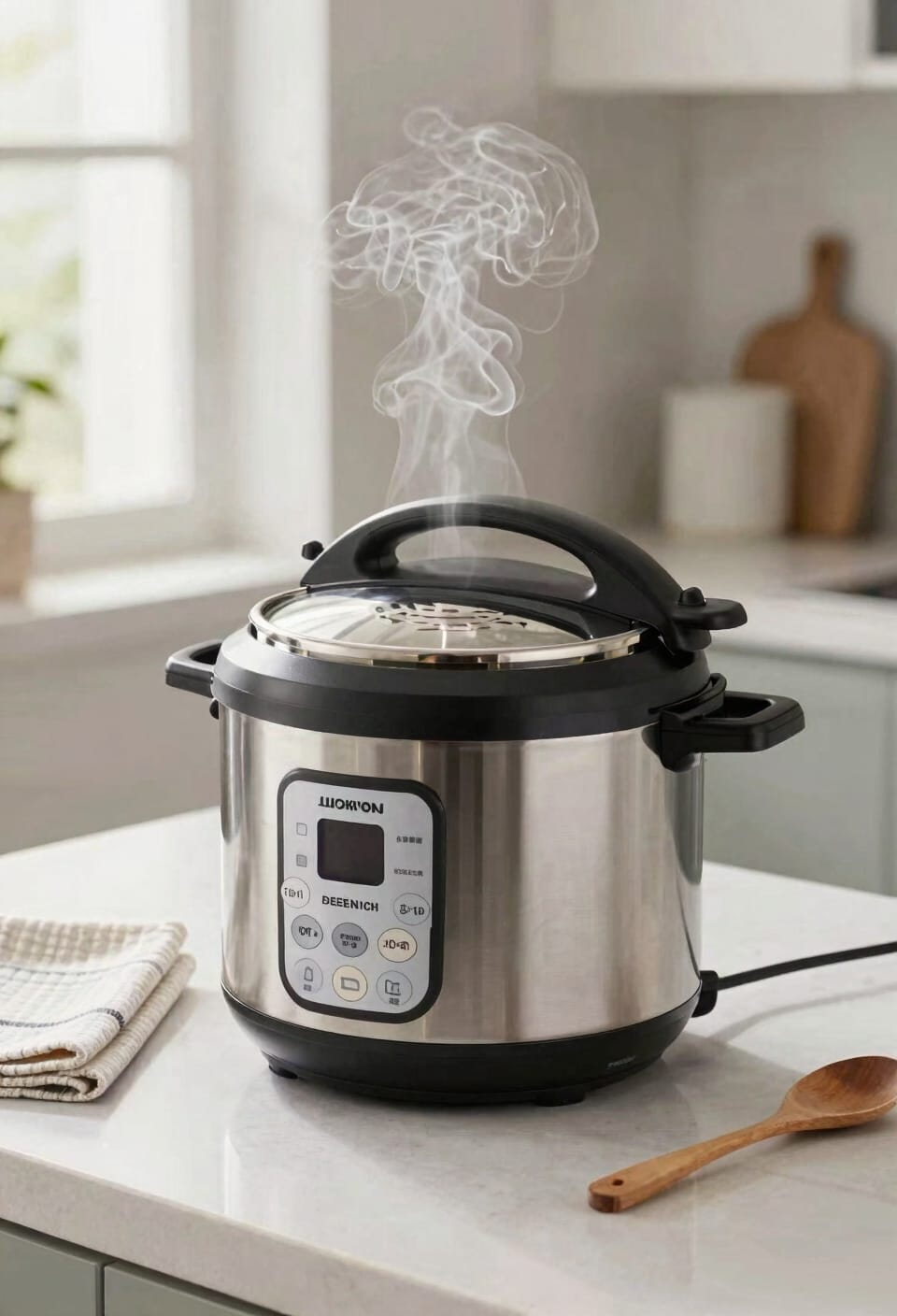
One of the biggest panic points I hear from people is the idea that cracking open an Instant Pot while it’s still pressurized will result in some kind of culinary catastrophe—hot food everywhere, steam burns, the whole nine yards. Here’s the thing: your Instant Pot’s got built-in safeguards designed specifically for this. The manual release valve won’t budge if pressure’s still building inside. You physically can’t open the lid when it’s pressurized—the machine won’t let you. Now, that doesn’t mean you should yank it open the second cooking finishes. Use the steam valve to naturally release pressure first, or trigger a quick manual release. Your Instant Pot’s basically a responsible adult keeping you from doing something dumb.
Speed Improvements Are Real: But Not Miraculous
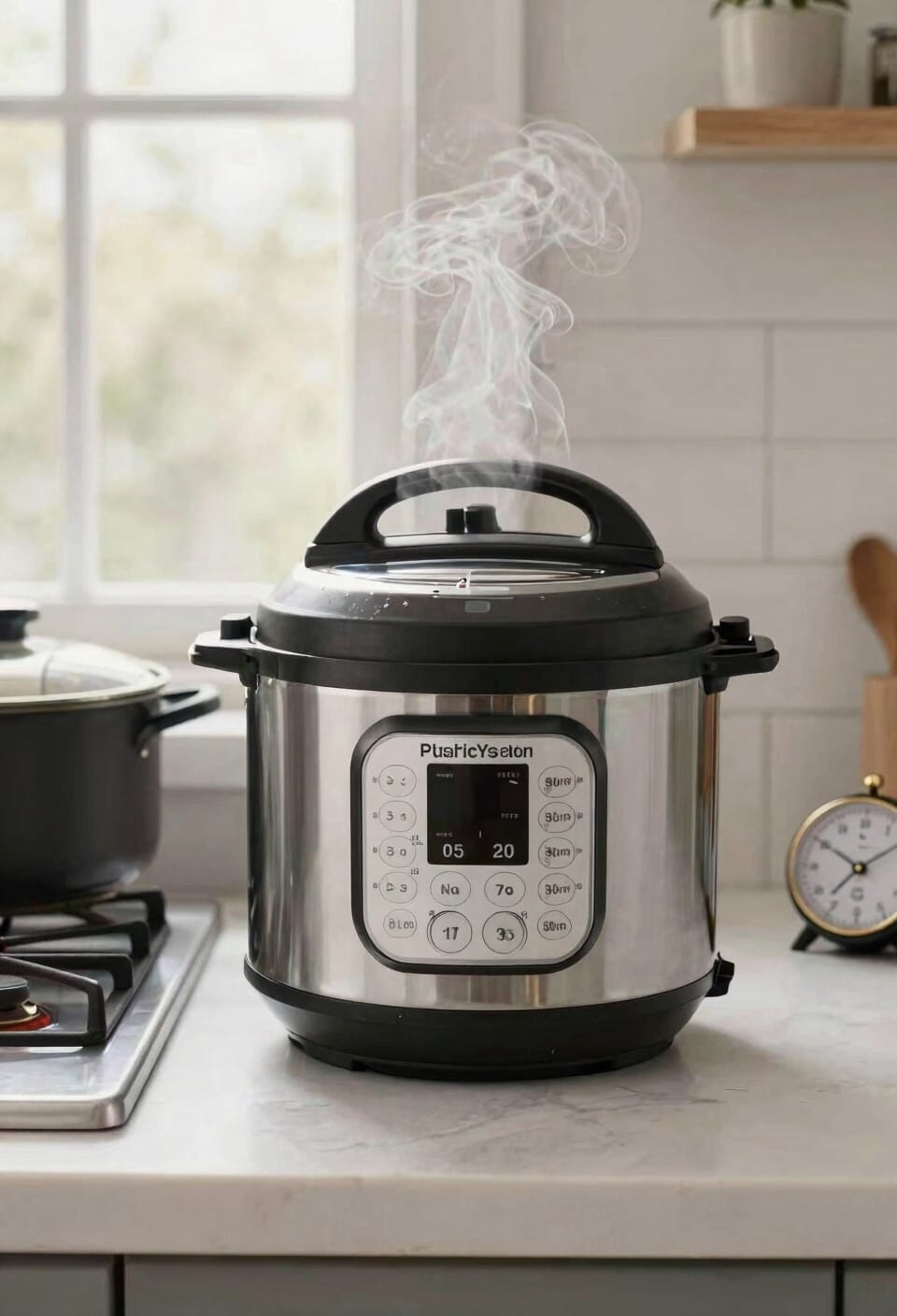
Now that we’ve established your Instant Pot won’t explode on you like some kitchen time bomb, let’s talk about what this machine actually *does* deliver on—speed—and where the marketing hype starts getting a little too ambitious. Here’s the thing: yes, you’ll see reduced active cooking time. That’s real. But the Instant Pot isn’t actually cooking faster; it’s reaching higher temperatures more efficiently, which does save time overall. What trips people up is thinking you’re saving thirty minutes when you’re really saving maybe ten, once you factor in preheating and pressure release. Energy savings? Legitimately solid. You’re using less fuel to reach cooking temperature. Just don’t expect miracles. It’s a smart tool, not a time machine.
Pressure Cooking Doesn’t Destroy Nutrients
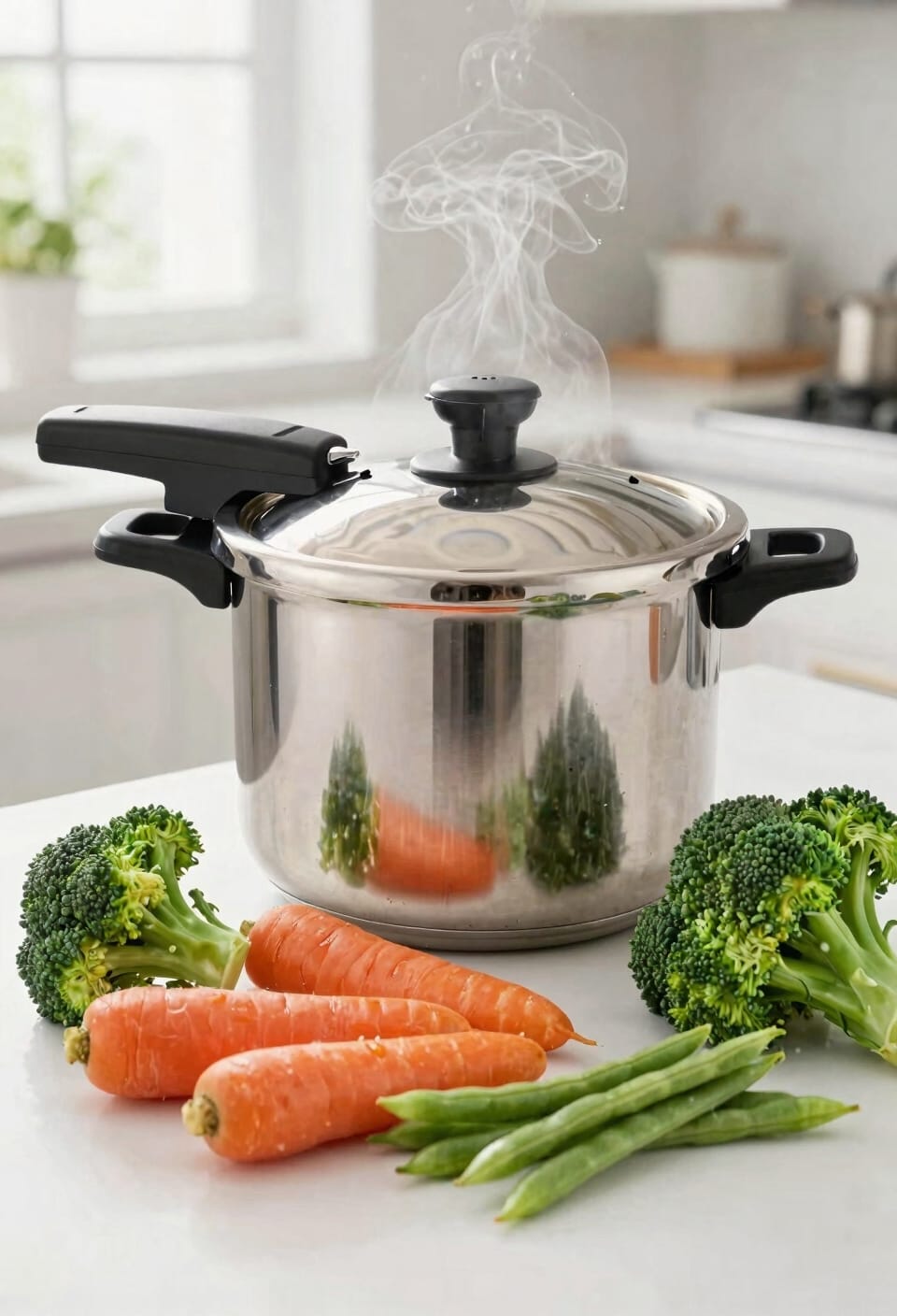
When you seal up your Instant Pot and blast food with steam and pressure, I get why your brain immediately goes to “won’t that cook all the good stuff right out of there?” It feels like it should—the intensity of it all seems like nutritional overkill.
Here’s the thing: nutrient retention in pressure cooking actually stacks up pretty well against traditional methods. The sealed environment means less time exposed to heat and air, which protects vitamin stability better than you’d think. Water-soluble vitamins do take a hit, sure, but we’re talking modest losses—often comparable to boiling. The real win? Shorter cooking times mean fewer nutrients leach away overall. I’m not saying your Instant Pot is a superfood machine, but it’s genuinely not the nutrient-destroying villain people imagine.
Not Every Food Works Equally Well Under Pressure
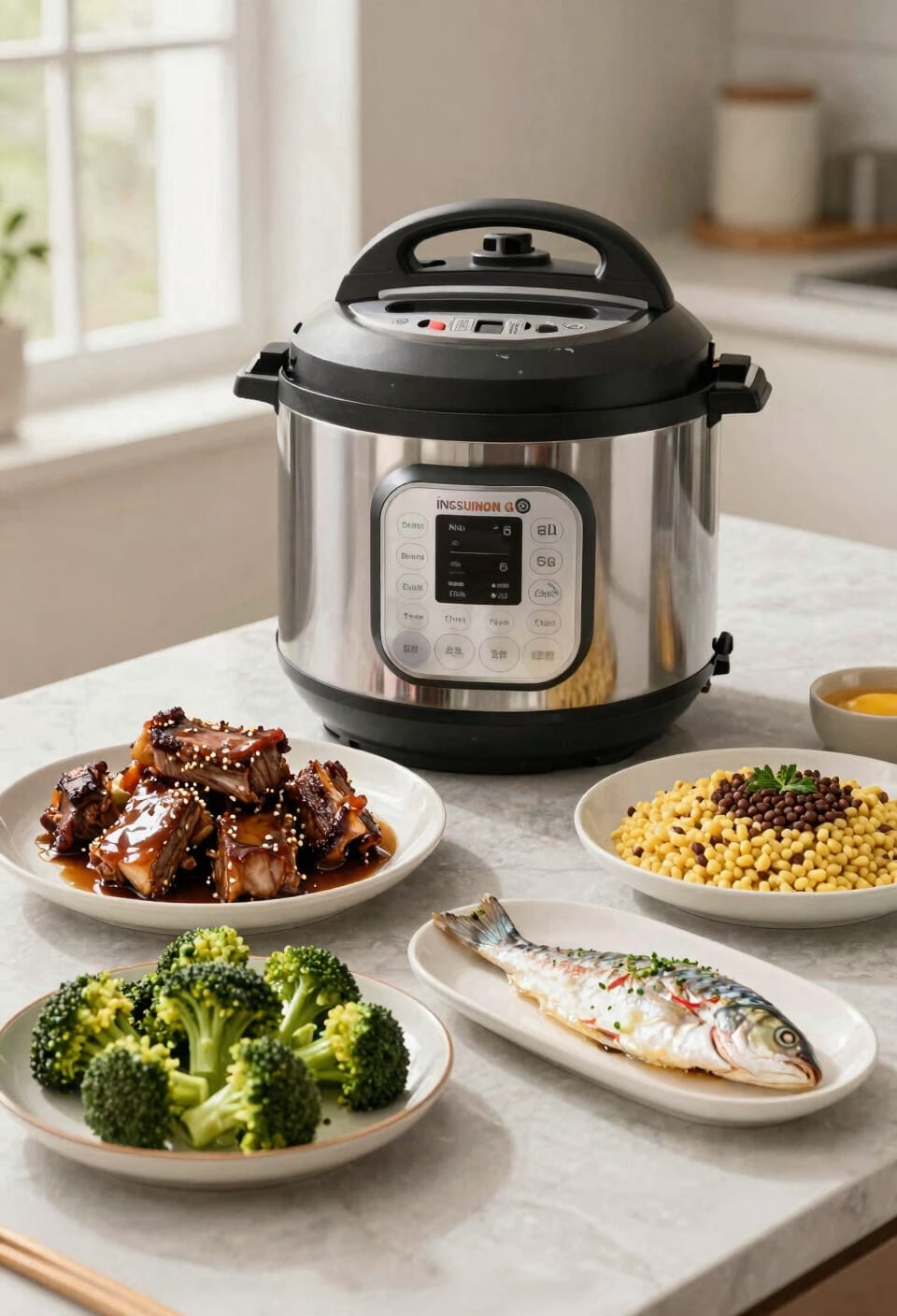
Your Instant Pot isn’t a one-size-fits-all solution, despite what the enthusiastic Facebook groups might suggest—some foods genuinely thrive under pressure while others turn into mushy disappointments or cook unevenly no matter what you do. Delicate proteins like fish? They’ll surrender to mush in seconds. Starch behavior varies wildly too; rice cooks beautifully, but pasta tends toward gumminess. Root vegetables? Fantastic. Leafy greens? Terrible. The problem’s physics, really—pressure cooking works best with foods that benefit from extended moisture and heat. You’ve got to match your ingredient to the method, not force every recipe through your Instant Pot just because you own one. Some things deserve a regular pot, and that’s perfectly fine.
Some Recipes Don’t Need Added Liquid
This is where Instant Pot mythology gets really confusing, because the pressure cooker marketing machine has convinced everyone that you need to dump liquid into basically everything—which is technically true for the *device* to function, but wildly exaggerated for what your *food* actually requires. Here’s the thing: your pot of broccoli doesn’t need a cup of water. Your chicken thighs don’t either. You’re working with no liquid pressure cooking, where the moisture already in your ingredients does the heavy lifting. This approach actually delivers concentrated flavors that you’d lose drowning everything in broth. I’ve made some of my best meals by respecting what’s already there. The device needs minimal liquid to generate steam—not your recipe.
You Can Adjust Cooking Time Mid-Cook
One of the most persistent myths about pressure cooking is that you’ve got total flexibility to fiddle with the cooking time once you’ve hit that button and locked the lid down—but that’s just not how these machines work, and trying to adjust on the fly will either wreck your meal or leave you standing there frustrated.
Here’s the thing: once that lid seals and pressure builds, you can’t do live adjustments without releasing all that pressure. No mid-cook timing tweaks. Your cooking control happens before you start, not during. Plan your recipe right the first time—check your ingredients, account for altitude if you’re high up, verify your adjustable timing matches what you’re actually cooking.
Your Instant Pot Won’t Replace Every Kitchen Tool
Although the Instant Pot is genuinely useful and I defend it fiercely, I’ve watched enough home cooks treat theirs like a kitchen Swiss Army knife to know that’s where the real disappointment starts. Here’s the thing: countertop versatility has limits. Your Instant Pot excels at pressure cooking, slow cooking, and steaming, but it won’t replace your oven’s browning power or your blender’s smoothness. You’ll still need a good skillet for searing meat properly. That utensil redundancy isn’t a failure—it’s reality. The Instant Pot is brilliantly specialized, not universally magical. I’m not saying ditch your other tools. I’m saying keep them. Your kitchen works better when each tool does what it does best, and your Instant Pot does that too.
Frequently Asked Questions
Can You Use an Instant Pot for Canning and Preserving Foods Safely?
I’d advise against using your Instant Pot for pressure canning. It’s not designed for that purpose. I’d recommend a proper pressure canner instead. Water bath canning’s safer for high-acid foods, while pressure canning requires specialized equipment.
How Often Should You Replace the Instant Pot Sealing Ring for Optimal Performance?
I’d recommend you replace, inspect, and maintain your sealing ring every six to twelve months depending on usage frequency. Proper ring storage—keeping it clean, dry, and away from heat—extends its lifespan greatly.
What’s the Difference Between Natural Release and Quick Release Methods?
I’ll explain: natural release lets pressure drop gradually as steam venting occurs naturally, while quick release manually opens the valve for immediate pressure balance. Natural release takes longer but’s gentler on food.
Can Frozen Foods Be Cooked Directly Without Thawing First in an Instant Pot?
Yes, I can cook frozen meat and frozen vegetables directly in my Instant Pot without thawing first. You’ll just need to add extra cooking time—typically 50% longer than fresh ingredients. This convenience is one reason I love pressure cooking.
Is It Safe to Stack Multiple Racks Inside an Instant Pot for Cooking?
Stacking shouldn’t happen—it’s simply unsafe. I’d suggest avoiding stacking risks altogether. Instead, I recommend rack alternatives like silicone slings or stackable steamer baskets that safely separate foods without compromising circulation or cooking quality.
Conclusion
Look, I’ve spent enough time with my Instant Pot to know it’s legitimately useful, not some kitchen miracle worker. The truth? It’s brilliant at specific things—tough cuts, dried beans, risotto—and mediocre at others. You’re not replacing your oven or skillet, but you’re gaining genuine convenience. Stop worrying it’ll explode and start using it for what it actually does well.