As an Amazon Associate, we earn from qualifying purchases. Some links on this site are affiliate links at no extra cost to you. Our recommendations are based on thorough research and editorial judgment.

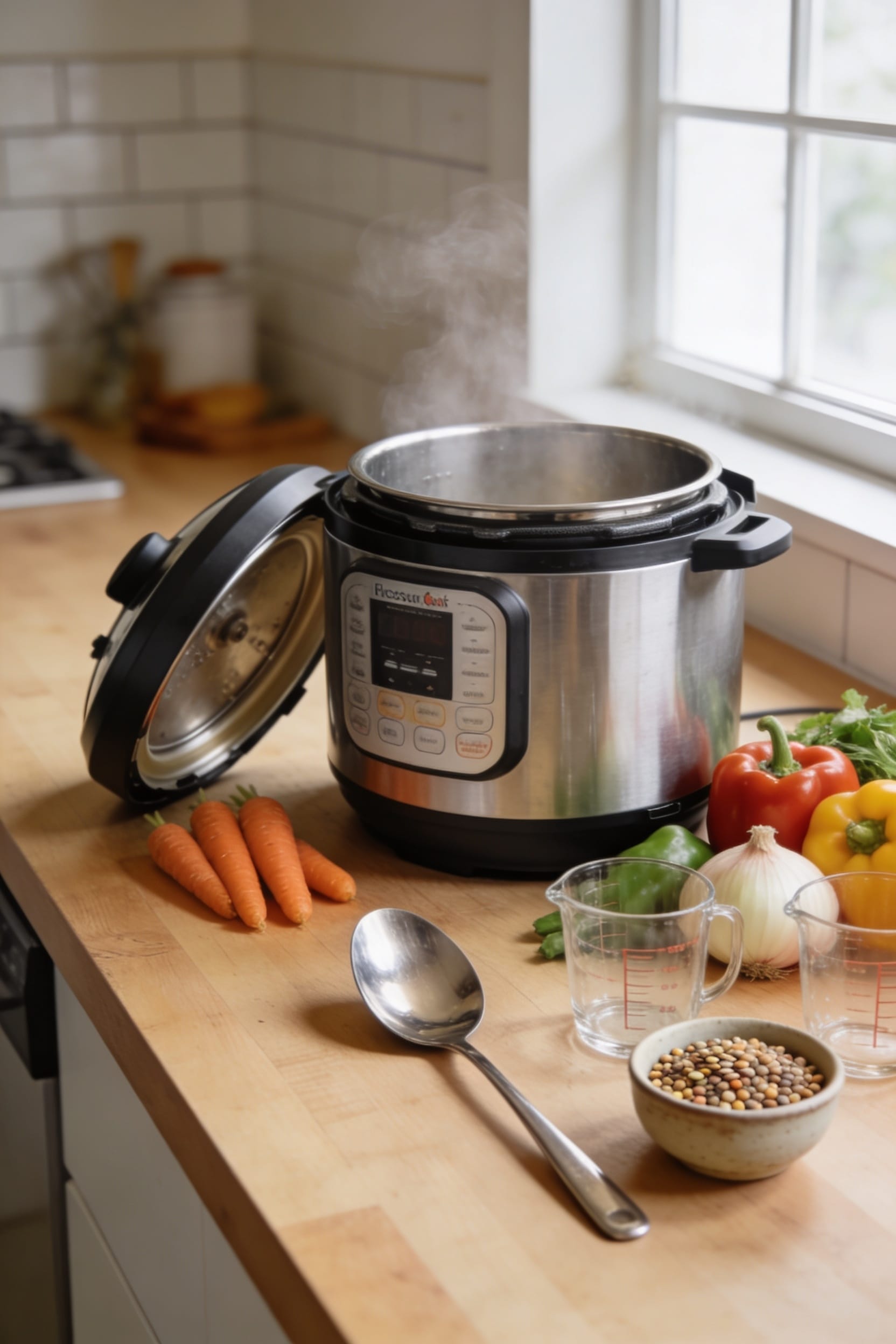
Instant Pot Pros and Cons: Is It Right for Your Kitchen?

Look, an Instant Pot shines if you meal-prep like a adult and follow recipes, but it’ll wreck your life if you cook by instinct or mostly make quick proteins that don’t need pressure anyway. You’ll genuinely save time on tough cuts—brisket goes from four hours to under an hour—but add heat-up and release time to the math. The real question isn’t whether it works; it’s whether your cooking style matches its structured demands. There’s more to untangle here, though.
Key Takeaways
- Instant Pot excels for meal prep and structured cooking but requires planning, measuring, and recipe adherence—not spontaneous cooking.
- Pressure cooking saves substantial time on tough cuts (brisket: 55 min vs. 4 hrs) but minimal advantage for quick proteins.
- Multi-function capability replaces pressure cooker, slow cooker, and rice cooker; however, desserts often turn dense and spices mellow.
- Annual gasket replacement and vent rinsing prevent error codes; stainless steel interior and insulation offer safety, energy efficiency, and nutrient preservation.
- Initial investment justified for regular bulk cooking and energy savings; skip if prioritizing quick proteins, vibrant spices, or countertop aesthetics.
Is an Instant Pot Right for Your Cooking Style?
Look, if you’re someone who loves throwing a bunch of ingredients in a pot and forgetting about it for hours, an Instant Pot might feel less like a kitchen upgrade and more like a personality transplant—which could be good or bad depending on how much you actually enjoy hovering over your stove.
Here’s the thing: the Instant Pot thrives on meal prep and structured weekday routines. You’ll need to plan ahead, measure precisely, and actually read recipes instead of winging it. That works great for organized cooks juggling family dynamics and tight schedules. But if you’re chasing flavor tradeoffs—like wanting deeply caramelized roasts or perfectly spiced curries—you might find yourself frustrated. The machine excels at convenience, not culinary rebellion. So honestly? Ask yourself whether you value speed over spontaneity.
How Much Time Will You Actually Save?
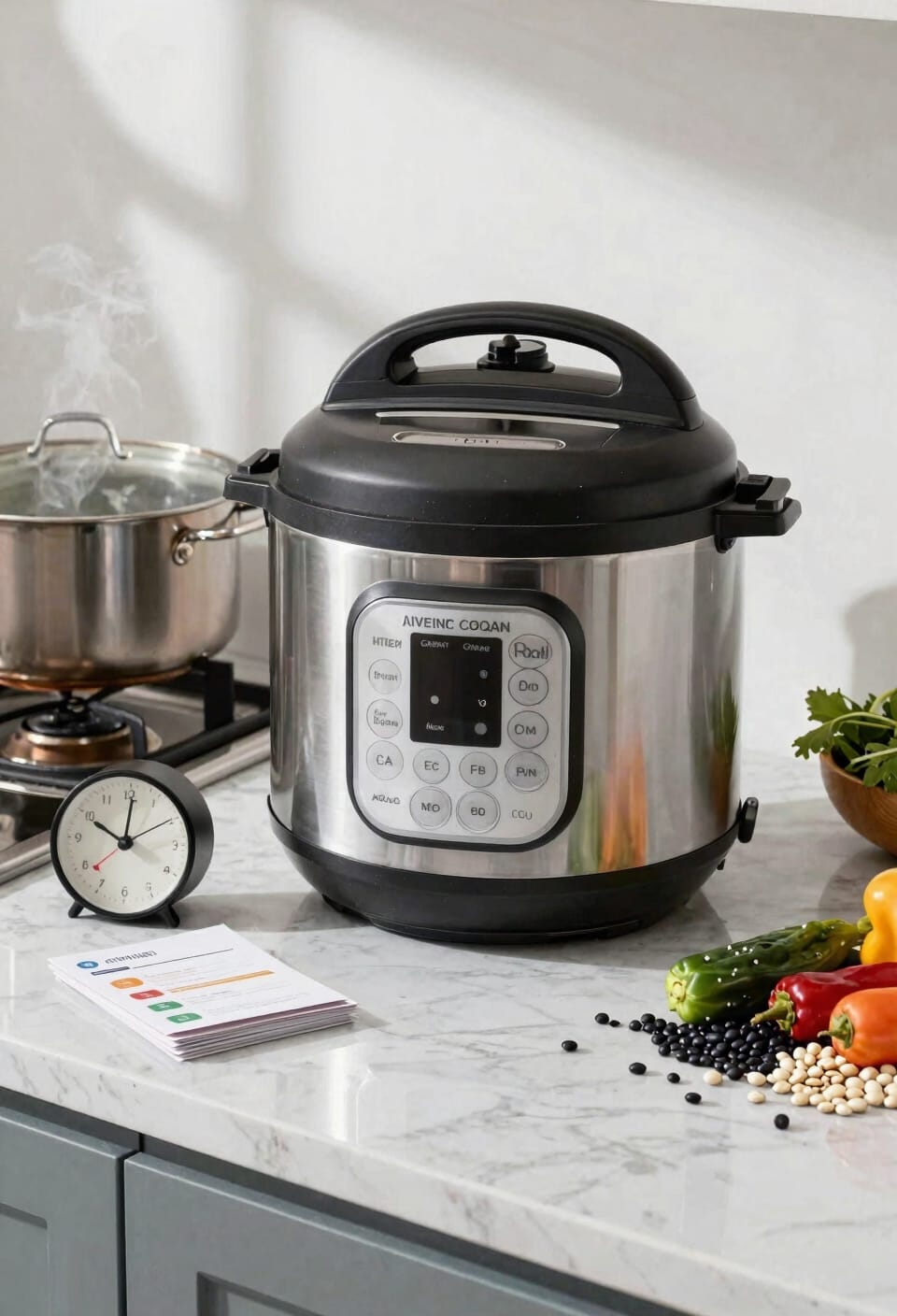
Now that you’ve figured out whether an Instant Pot fits your cooking personality, here’s where the rubber meets the road: how much time are you actually going to reclaim?
Look, the actual savings aren’t quite as dramatic as the marketing suggests. Sure, brisket cooks in 55 minutes instead of four hours, but that doesn’t account for the 10-20 minute heat-up and 15-minute pressure release. In the real world, you’re looking at different math.
Here’s the thing: prep overlap matters. While your pot pressurizes, you’re chopping vegetables or setting the table anyway. The timing hiccups—forgetting to seal the vent, miscalculating cook times—eat into gains too.
You’ll genuinely save time on tough cuts and legumes. But quick-cooking proteins? You’re not winning there.
What Can an Instant Pot Cook (and What It Can’t)?
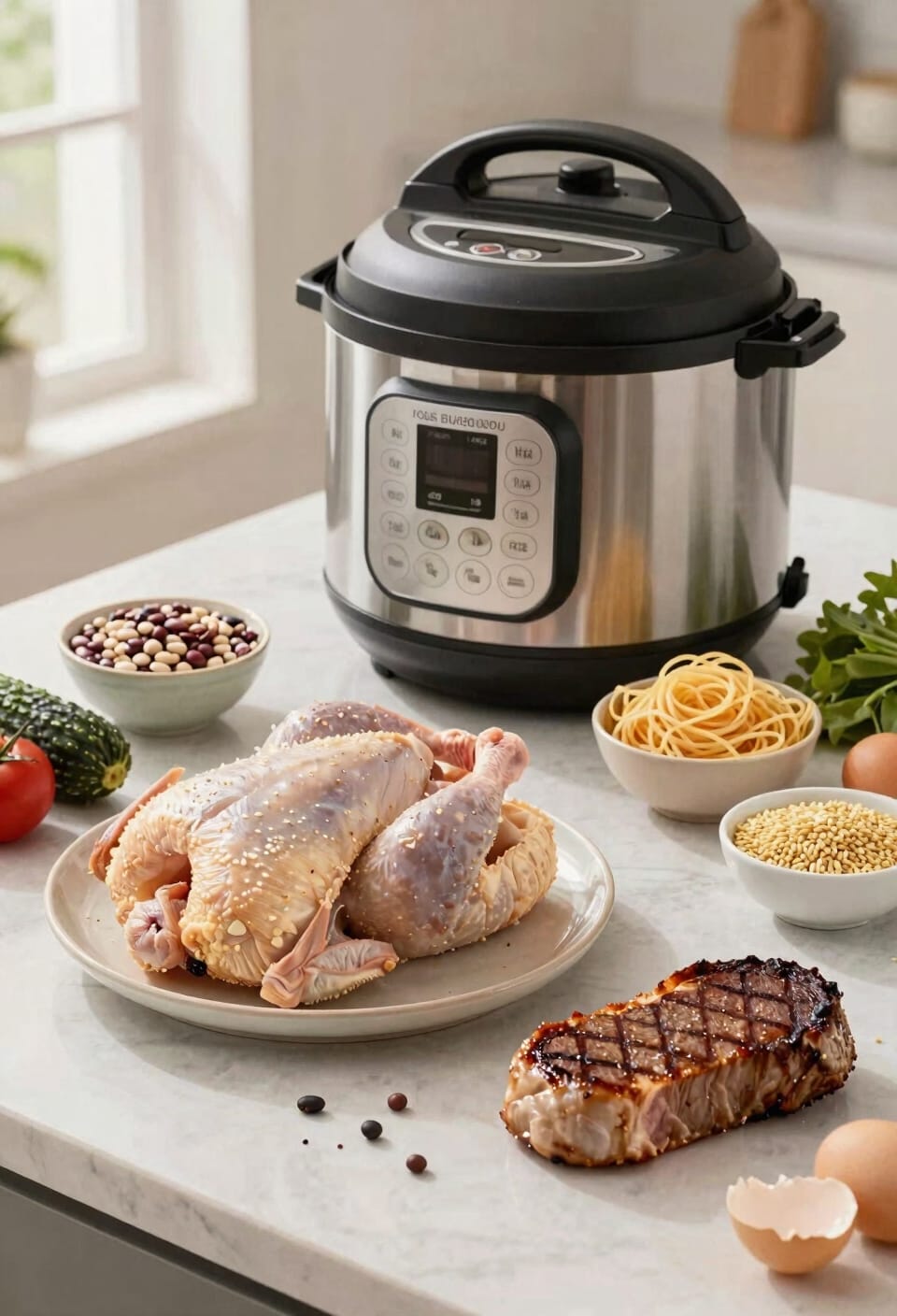
The Instant Pot’s real superpower isn’t speed—it’s versatility, which I know sounds like marketing speak until you actually start using one. You can pressure cook brisket, slow cook stews, make rice, brew bone broth, sauté aromatics, and even attempt desserts all in the same pot. That’s genuinely convenient.
But here’s the thing: it’s not a miracle worker. Quick-cooking foods like tenderloin or asparagus? Skip it. Dessert limitations are real too—cakes often turn out dense, and you’ll want counterfeit accessories exactly never. The machine also mellows spice intensity, which matters if you’re chasing serious heat.
The real win is replacing three appliances with one. Use it for what it does brilliantly, ignore what it doesn’t, and you’ve got yourself a genuinely useful kitchen workhorse.
Does It Actually Save Energy and Space?
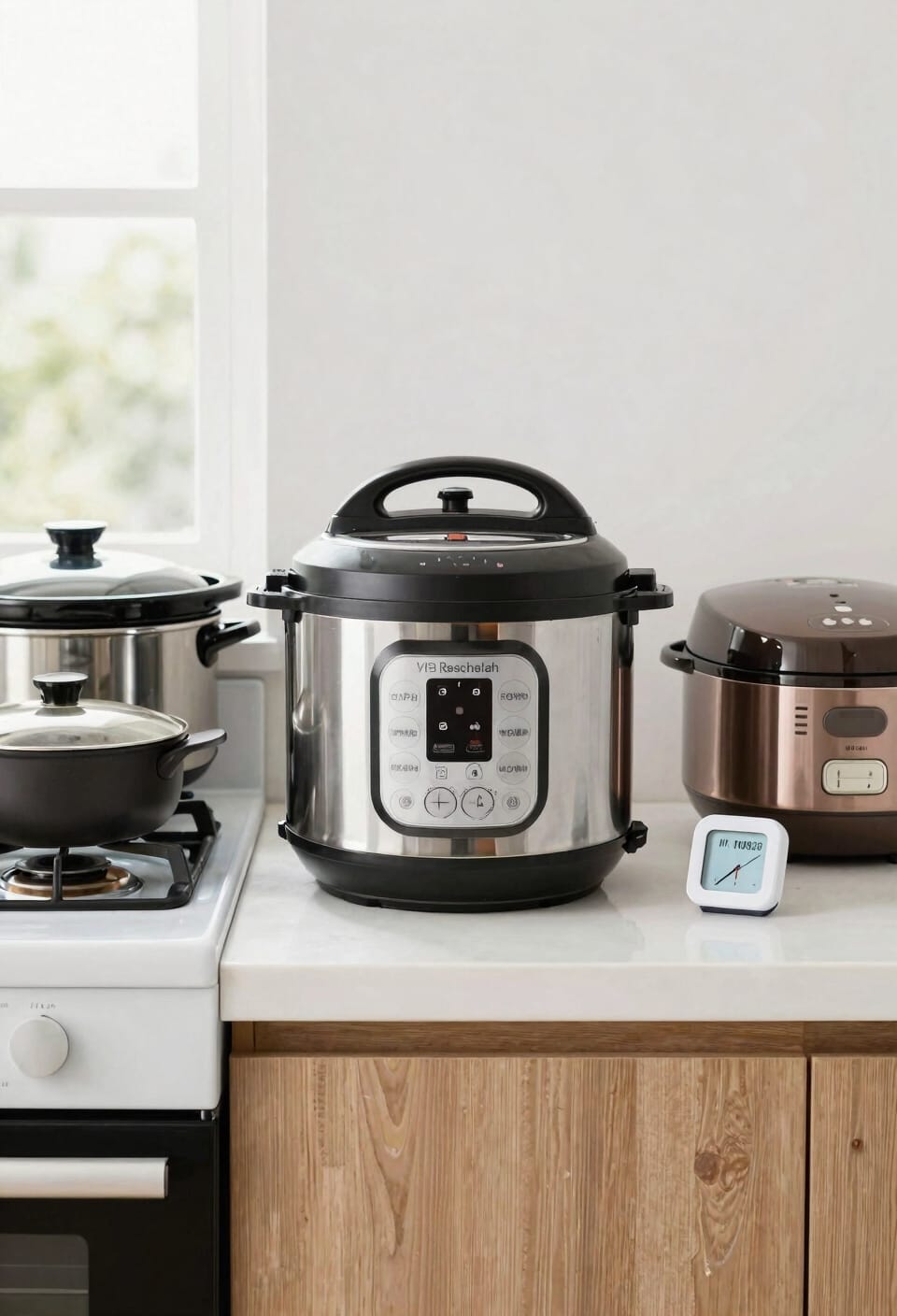
So you’ve figured out the Instant Pot can actually cook things worth eating, and now you’re wondering if it’s going to sit in your cabinet like every other unitasker you’ve ever bought. Here’s the thing: space savings are real. One appliance replaces your pressure cooker, slow cooker, and rice cooker, which matters if your kitchen’s the size of a shoebox. Energy efficiency? The insulated container heats faster and maintains temperature better than traditional methods, so you’re not wasting gas or electricity. You’ll also ditch the stovetop entirely for most cooking. That’s fewer pans heating your kitchen in summer, fewer utilities running. It’s not revolutionary, but it genuinely streamlines things.
What’s the Real Learning Curve?
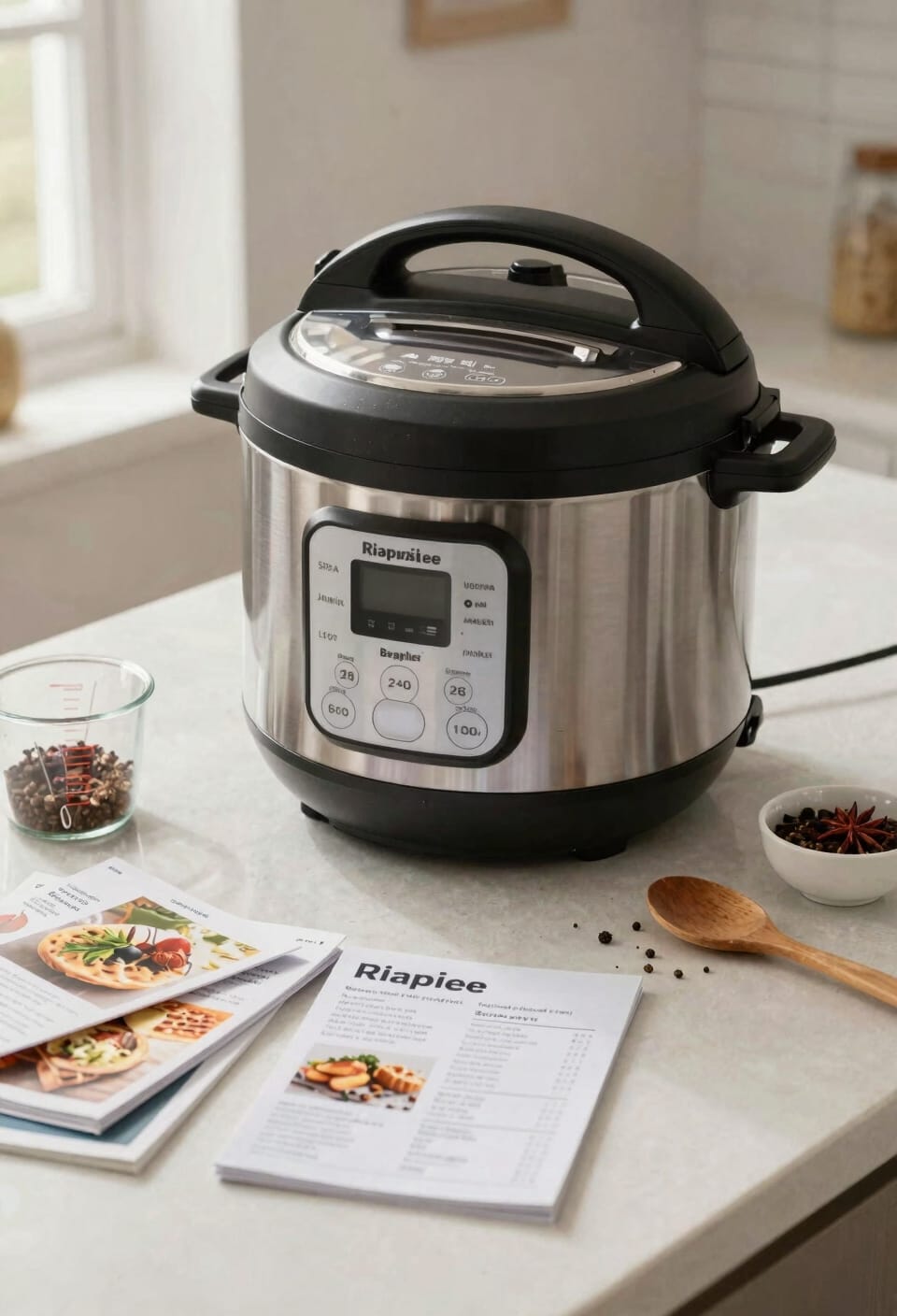
Why does everyone act like the Instant Pot is intuitive when it absolutely isn’t? Look, you’re gonna need trial tweaks before nailing your recipes. Most cooking times you’ll find online don’t account for the 10-20 minute heat-up or 10-15 minute pressure release—basically doubling what’s advertised. That’s expectation management right there.
I learned this the hard way. Forgetting to seal the vent? Your food’s still cooking while you’re wondering what’s wrong. The manual setting for “zero minutes” saved me from obliterated vegetables, but only after I’d destroyed a few batches first.
Honest truth: you need to experiment. Read your actual manual, not just Pinterest. Once you do? The Instant Pot clicks. Until then, expect some frustration.
Will It Cook Food Safely and Healthily?
If you’ve made it this far in the Instant Pot journey, you’re probably wondering whether this contraption actually cooks food safely—and whether “pressure cooked” is code for “nutritionally destroyed.” Look, I get it; there’s something inherently suspicious about sealing food in a metal chamber and cranking up the heat.
Here’s the thing: pressure safety is actually solid. The engineering’s legit, and you can safely cook frozen meat at high temperatures without bacterial concerns. The stainless steel construction beats some alternatives, too. Nutrient retention? High-heat cooking does reduce some nutrients, but the Instant Pot’s speed minimizes those losses compared to hours-long stovetop cooking. You’re also using less oil, which matters for your health. The stay-warm function keeps food hot up to ten hours—perfect for meal prep without reheating.
Instant Pot Error Codes and Seal Problems: Prevention Guide
Once you’ve invested in an Instant Pot and gotten comfortable with it, the last thing you want is to open the lid and find an error code staring back at you like some cryptic accusation. Look, most of these issues stem from preventable maintenance lapses. Your gasket maintenance matters more than you’d think—that rubber seal degrades over time, so check it regularly and replace it annually or whenever you notice cracks. Now, vent clogging causes half the headaches I’ve seen. Food particles get trapped up there, blocking pressure release and triggering error messages. A quick rinse after each use saves you frustration later. I’ve learned the hard way that five minutes of cleaning beats an hour troubleshooting electronic glitches. Stay ahead of it.
Will It Pay for Itself?
How much you’ll actually save depends on what you’re replacing and how often you cook—and I’ll be honest, the financial math isn’t always as straightforward as the marketing wants you to believe. If you’re bulk cooking regularly, the energy efficiency and reduced utility bills add up over time. You’ll see real cost savings on electricity compared to running your oven for hours. The resale value holds surprisingly well too, which matters if you’re the type to upgrade kitchen gear. Where it gets fuzzy is whether you’d actually use it enough to justify the initial investment. For occasional cooks, it’s a harder sell. But if you’re committed to batch cooking and meal prep, the environmental impact of fewer appliances plus genuine savings on energy and time? That’s where it pays for itself.
When You Should Skip the Instant Pot Entirely
Look, despite all the legitimate reasons to love an Instant Pot, there are genuine situations where buying one would be throwing money at a problem you don’t actually have. If you’re cooking for a crowd regularly, you’ll hit that max fill line faster than you’d like—party capacity becomes a real issue when you’re doubling recipes. And honestly? If countertop aesthetics matter to you, that stainless steel beast takes up real estate. You also don’t need one if you mostly cook quick proteins like tenderloin or fresh asparagus. The Instant Pot doesn’t shine there—your skillet already does this better. Skip it if you love vibrant spices too; pressure cooking dulls intensity. Sometimes the tool that does everything well beats the tool that does one thing perfectly, but not always. You’ve got to know yourself.
Frequently Asked Questions
Can I Cook Frozen Meat Directly in the Instant Pot Without Thawing First?
Yes, I can safely cook frozen meat directly in my Instant Pot without thawing. The high temperatures guarantee frozen safety, though you’ll notice slight texture changes compared to thawed meat. I’d add extra cooking time accordingly.
How Long Does the Pressure Release Process Actually Take After Cooking?
Like releasing steam from a pressure valve, you’ll wait 10-15 minutes for natural release or use quick release instantly. I’ve found natural release preserves tenderness better, though it requires patience—something we’re all learning to embrace.
Why Does My Food Taste Less Spicy After Pressure Cooking?
Your food tastes less spicy because pressure cooking reduces capsaicin, the compound responsible for heat. The high-moisture environment causes flavor dilution, weakening the spice intensity you’d normally experience with traditional cooking methods.
What’s the Maximum Amount of Food I Can Safely Cook at Once?
I’d love to tell you there’s no limit, but that’s laughable. You’re stuck at the maximum capacity line—typically two-thirds your pot size. Overfill it, and you’re asking for trouble with foamy foods like pasta.
How Do I Prevent Common Electronic Errors Like Sealing and Venting Problems?
I’d recommend regular gasket maintenance and inspecting your steam valve for debris. If you’re experiencing sealing problems, consider seal replacement. For electrical troubleshooting, make sure your unit’s properly positioned and contacts are clean.
Conclusion
Look, here’s the thing: according to one survey, about 30% of Instant Pot owners barely use theirs after the first month. That stat stuck with me because it tells you everything—this gadget isn’t for everyone, and that’s totally fine. You’ve got to be honest about your cooking style, your kitchen space, and whether you’re actually going to embrace the learning curve. If you are, great. If you’re not, skip it. No shame either way.