As an Amazon Associate, we earn from qualifying purchases. Some links on this site are affiliate links at no extra cost to you. Our recommendations are based on thorough research and editorial judgment.

How Long Does an Instant Pot Last? (Lifespan & Durability)

All right, here’s the thing: you’re looking at about three to five years of solid performance from most Instant Pots, though heavy use’ll push you toward that lower end. I’ve heard stories about units cruising past eight years, and yeah, some fail around eighteen months—it’s honestly more about how you treat it than anything else. The sealing ring‘s usually your first casualty if you’re not cleaning it religiously, but that’s totally preventable. Proper maintenance and smart storage can genuinely stretch your pot’s life, and knowing what failure actually looks like matters way more than you’d think.
Key Takeaways
- Most Instant Pots perform reliably for 3–5 years with typical use, though heavy weekly use shortens this timeframe.
- Proper sealing ring maintenance—cleaning immediately after use and storing the lid upside down—significantly extends appliance longevity.
- Steam leaks around the lid, failure to pressurize, or heating inconsistencies are common failure indicators requiring diagnosis.
- Seal and valve repairs typically cost under $50, making them cost-effective fixes compared to full replacement.
- Units past year five with electronic issues generally warrant replacement over repair due to troubleshooting complexity and costs.
What’s the Realistic Lifespan of an Instant Pot?
If you’re wondering whether that Instant Pot sitting on your counter is going to be there in five years or five months, I’ve got some honest news: it depends.
Most Instant Pots clock in around 3-5 years of solid performance, but here’s where usage patterns really matter. If you’re firing yours up multiple times weekly, you’re probably looking at the lower end of that range. Some folks report their units lasting 8+ years, while others hit trouble around 18 months. Expected depreciation isn’t just about time—it’s about what you’re actually doing with the thing.
The real variable? How you treat it. I’ve seen pristine units fail early and beaten-up ones soldier on for ages.
Why Instant Pot Sealing Rings Fail First?
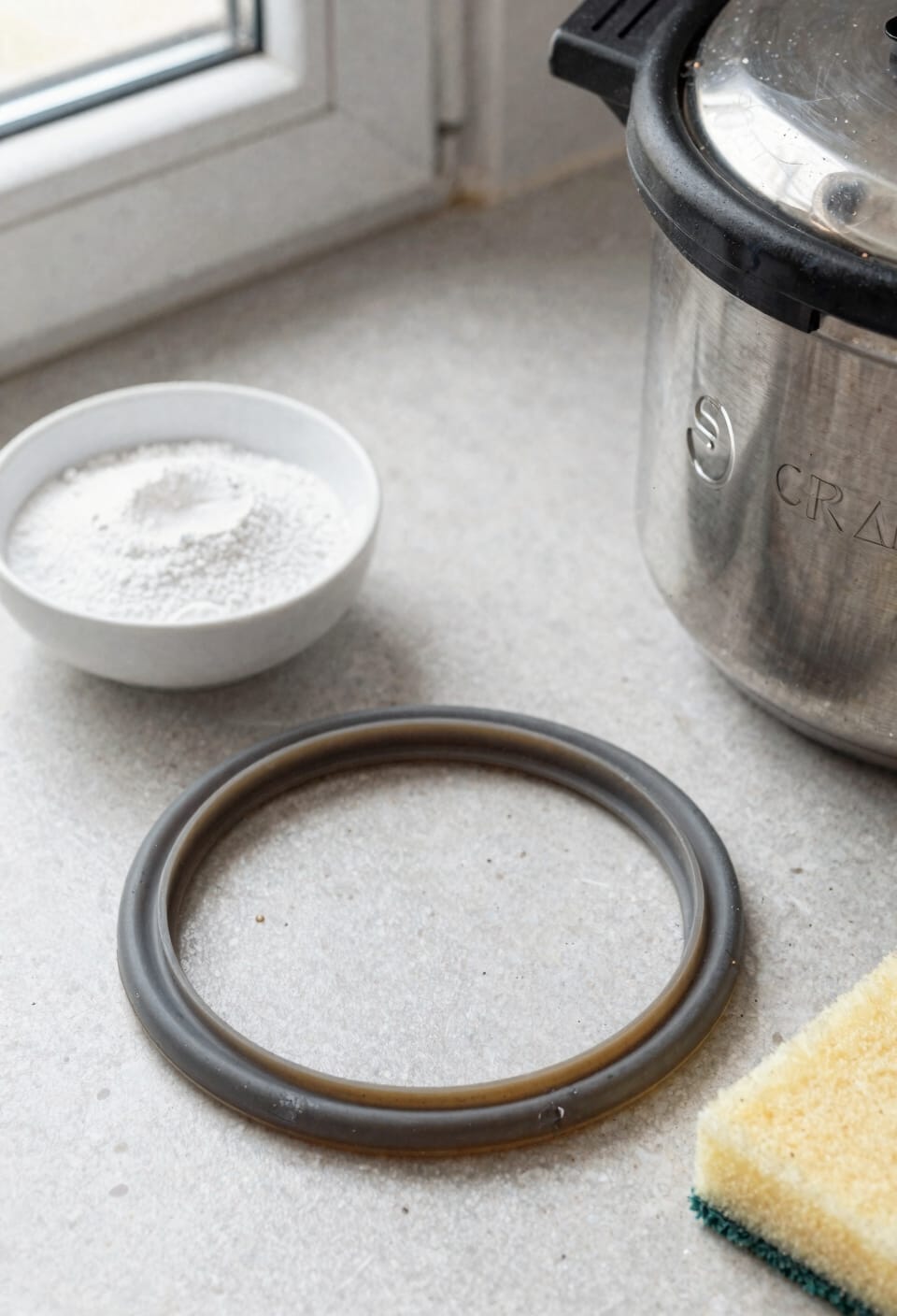
odor retention. If you’re not cleaning that ring immediately after use, food particles embed themselves into the material, breaking it down from the inside out. That crusty, compromised seal you’re seeing? That’s what happens when maintenance gets pushed to tomorrow. The ring’s absorbing everything—flavors, smells, bacteria—and all that absorption weakens the material until it can’t hold pressure anymore.
Storage and Maintenance: Extend Your Instant Pot’s Life?
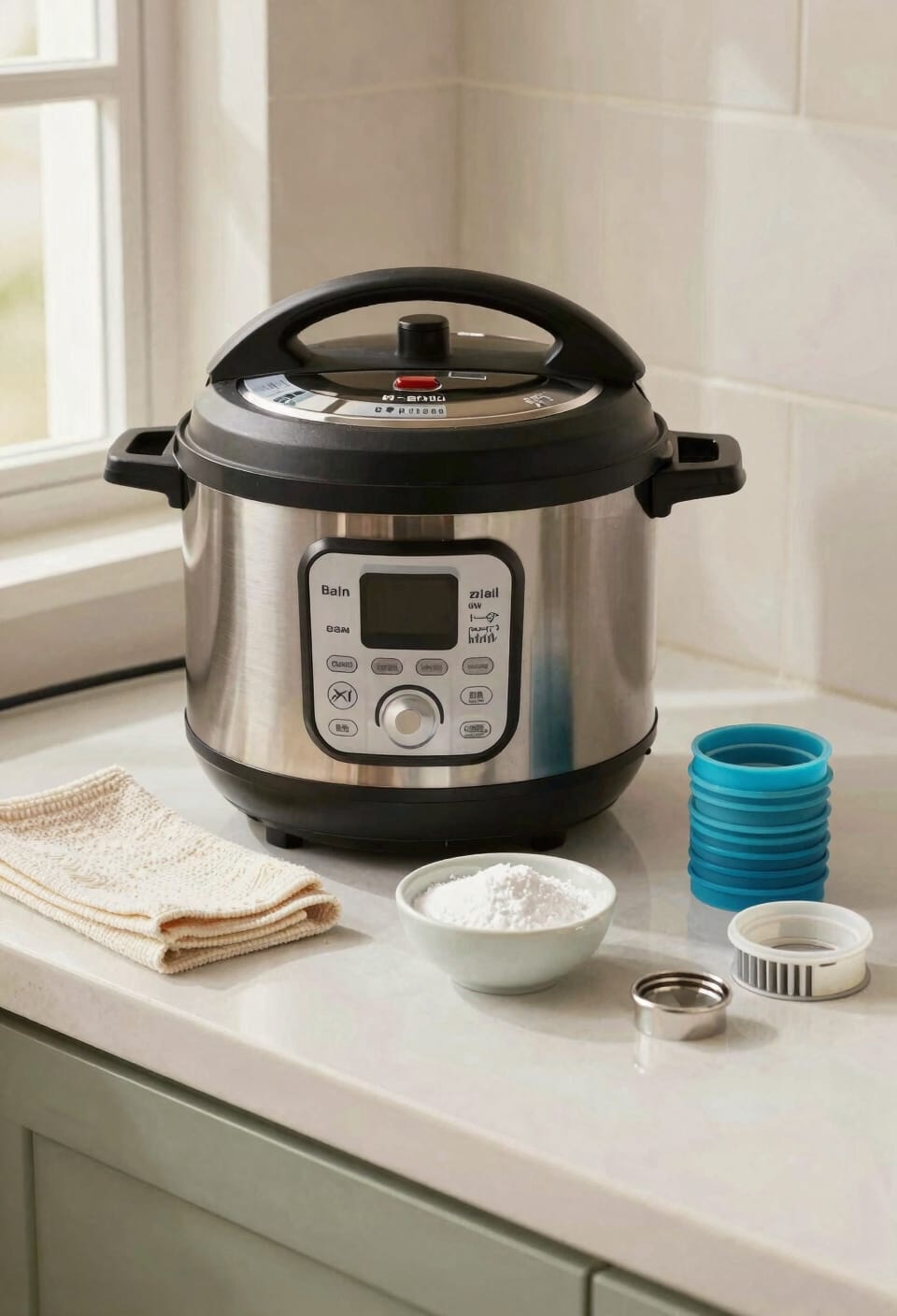
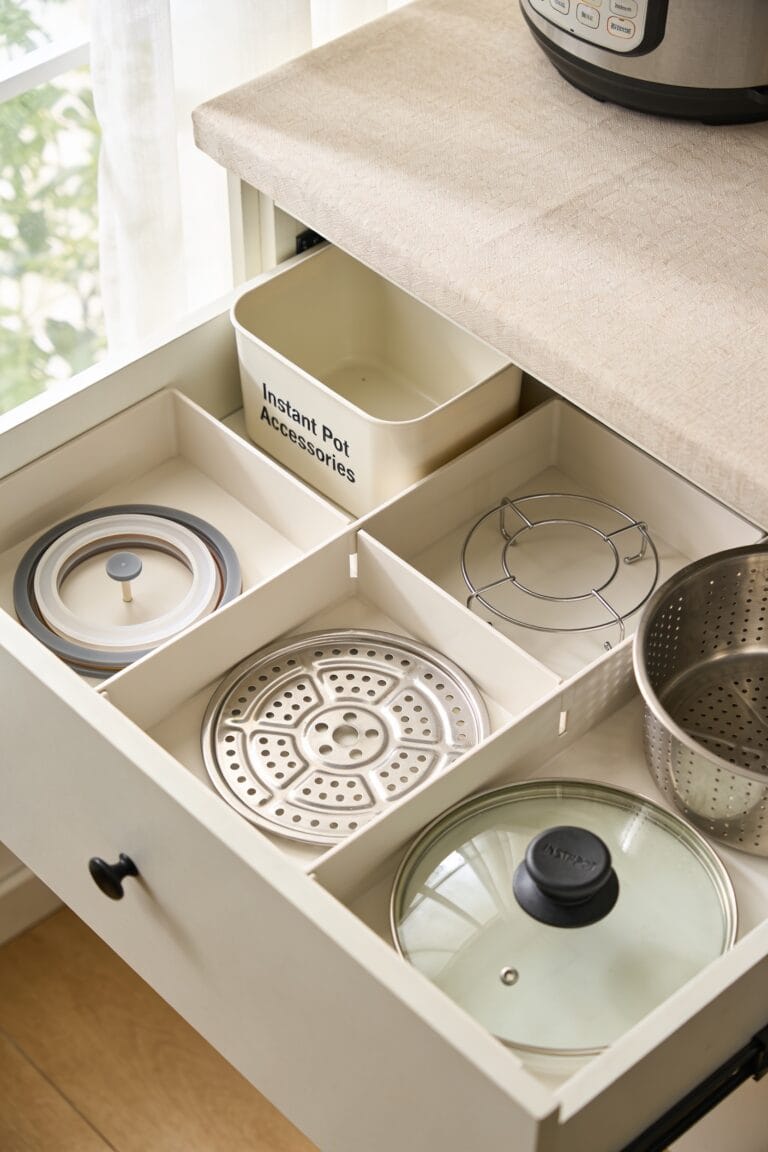
Beyond cleaning that sealing ring every single time you use your Instant Pot, here’s what actually moves the needle on keeping this thing running for years instead of months: how you store it and what you do between uses. Store your lid upside down on the base—this simple move creates proper ventilation practices that prevent odors from festering inside. Avoid stashing it deep in a cabinet where moisture and stale air trap problems. Your cabinet placement matters more than you’d think. I keep mine on an open shelf where air circulates freely. Clean immediately after cooking because letting residue sit makes everything worse. Let everything air dry completely before putting it away. These habits cost you nothing but add genuine years to your Instant Pot’s life.
Instant Pot Failure Signs: When to Replace?
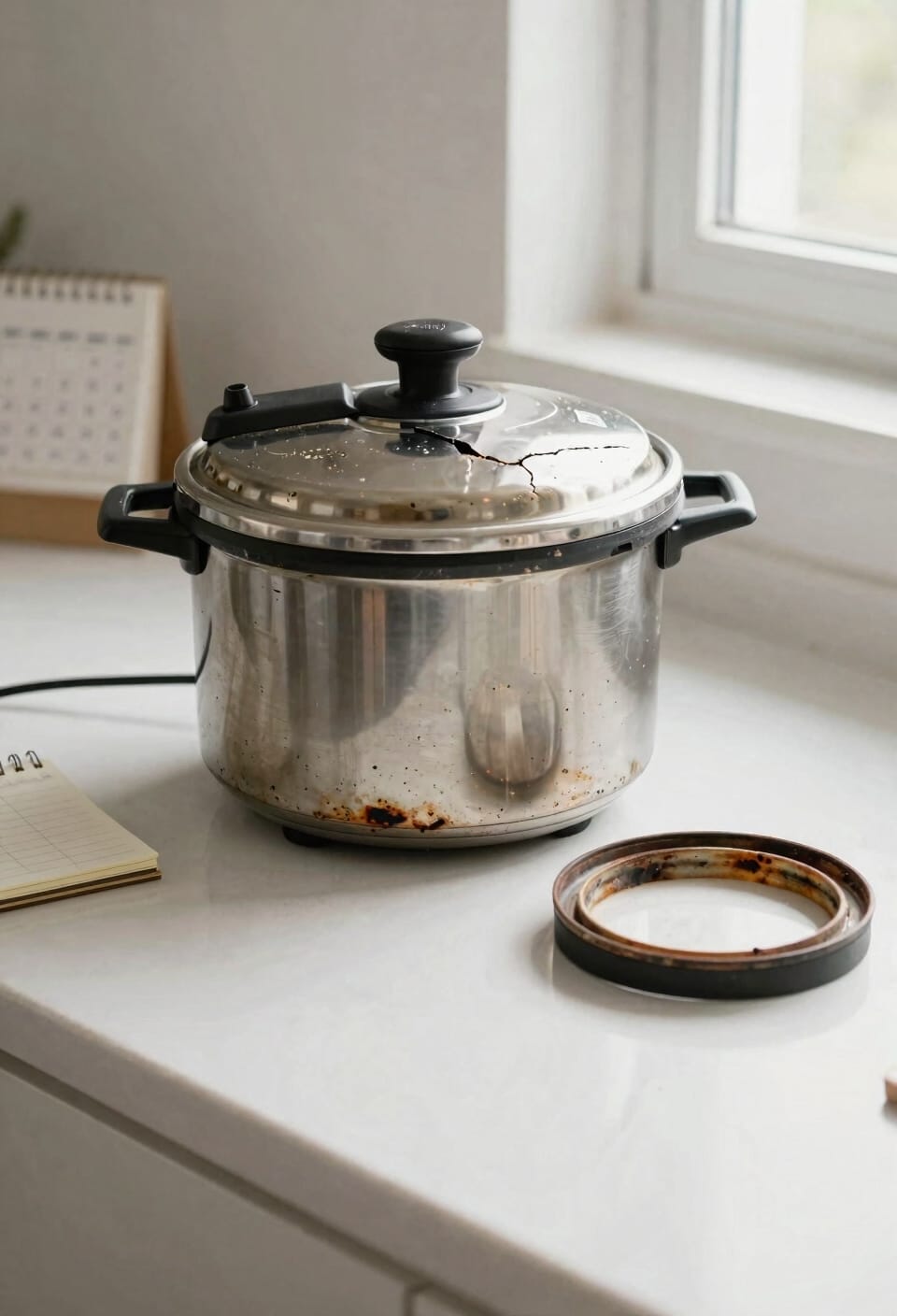
All right, so you’ve been doing everything right—cleaning that seal, storing the lid upside down, letting things dry properly—and your Instant Pot still starts acting weird. That’s when you need to pay attention.
Watch for steam leaking around the lid, temperature swings that don’t make sense, or your pot refusing to reach pressure like it used to. If the heating element’s giving you trouble or the display starts glitching, electrical diagnostics can help determine what’s actually broken. Sometimes it’s fixable; sometimes it’s not.
Before you toss it, check your warranty options—many Instant Pots come with solid coverage that might surprise you. If repairs aren’t worth it and you’re past warranty, honestly, it’s probably replacement time.
Is an Instant Pot Worth Replacing or Repairing?
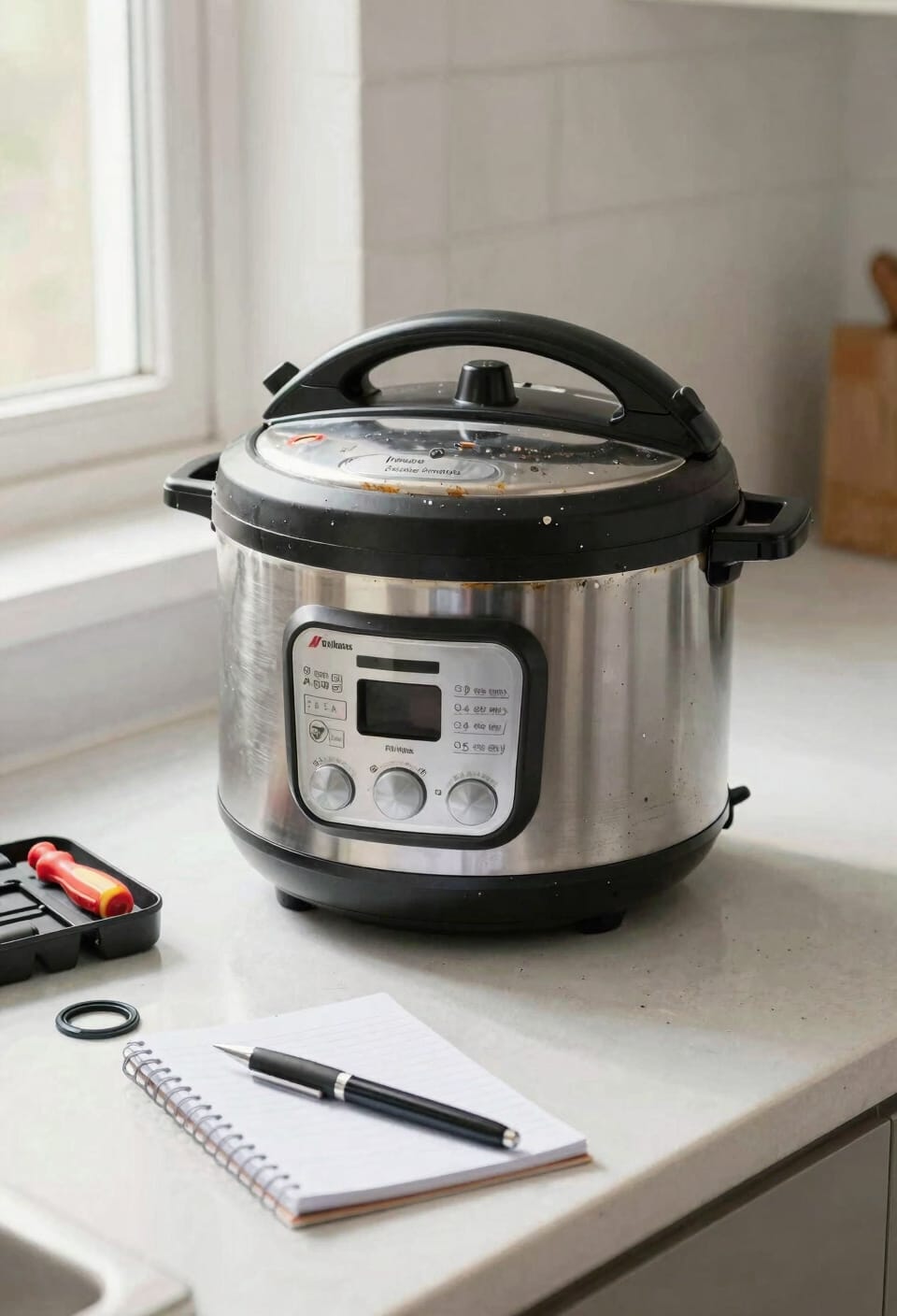
When your Instant Pot starts acting up, the repair-versus-replace question hits different depending on where you are in the appliance’s life. Here’s the thing: a cost analysis matters, but so does your sanity. If you’re within that 3-5 year sweet spot and facing a seal or valve issue, repair tutorials online can save you money—we’re talking replacement parts under fifty bucks. But electronic failures? That’s trickier. You’ll spend more troubleshooting than cooking, and honestly, new models aren’t that pricey these days. I’d lean toward replacement if you’re past year five anyway. The real question isn’t whether fixing it works—it’s whether you’ve already mentally moved on.
Frequently Asked Questions
Can I Replace Individual Components Like the Sealing Ring Instead of Buying a New Instant Pot?
Yes, you can replace the sealing ring and other components as affordable accessory upgrades. I’d recommend checking compatibility issues with your model before purchasing replacement options to make certain they fit properly.
How Does Frequent Daily Use Affect My Instant Pot’s Overall Lifespan Compared to Weekly Usage?
Daily use accelerates your Instant Pot’s cycle frequency and heating element strain compared to weekly usage. You’ll experience faster performance degradation and daily wear, potentially reducing your unit’s lifespan from years to months.
What Warranty Coverage Does Instant Pot Typically Offer for Defective Units?
I don’t have specific warranty details in my knowledge base, but I’d recommend checking Instant Pot’s official website for their manufacturer warranty terms. You’ll likely find standard coverage options and extended plans available for purchase.
Are Newer Instant Pot Models More Durable Than Older Models From Previous Years?
I can’t definitively say newer models are more durable. Consider a 2017 unit still working perfectly versus recent failures—it’s inconsistent. Build materials vary by model, and software updates don’t guarantee longevity.
Can Power Surges or Electrical Issues Damage My Instant Pot’s Electronic Components Permanently?
Yes, power surges and voltage spikes can permanently damage your Instant Pot’s electronic components. I’d recommend using surge protectors with circuit protection to safeguard against electrical issues that cause irreversible electronic failure.
Conclusion
Look, here’s the thing: your Instant Pot’s probably good for a decade or so if you’re decent about maintenance. The sealing ring‘s your first failure point—just keep it clean and consider swapping it out yearly. Proper storage and periodic upkeep? That’s the real recipe for longevity. When it quits, deciding between repair and replacement depends on your pot’s age and what’s broken. Either way, you’ve got solid years of pressure-cooking ahead.