As an Amazon Associate, we earn from qualifying purchases. Some links on this site are affiliate links at no extra cost to you. Our recommendations are based on thorough research and editorial judgment.
How to Use an Instant Pot While Camping

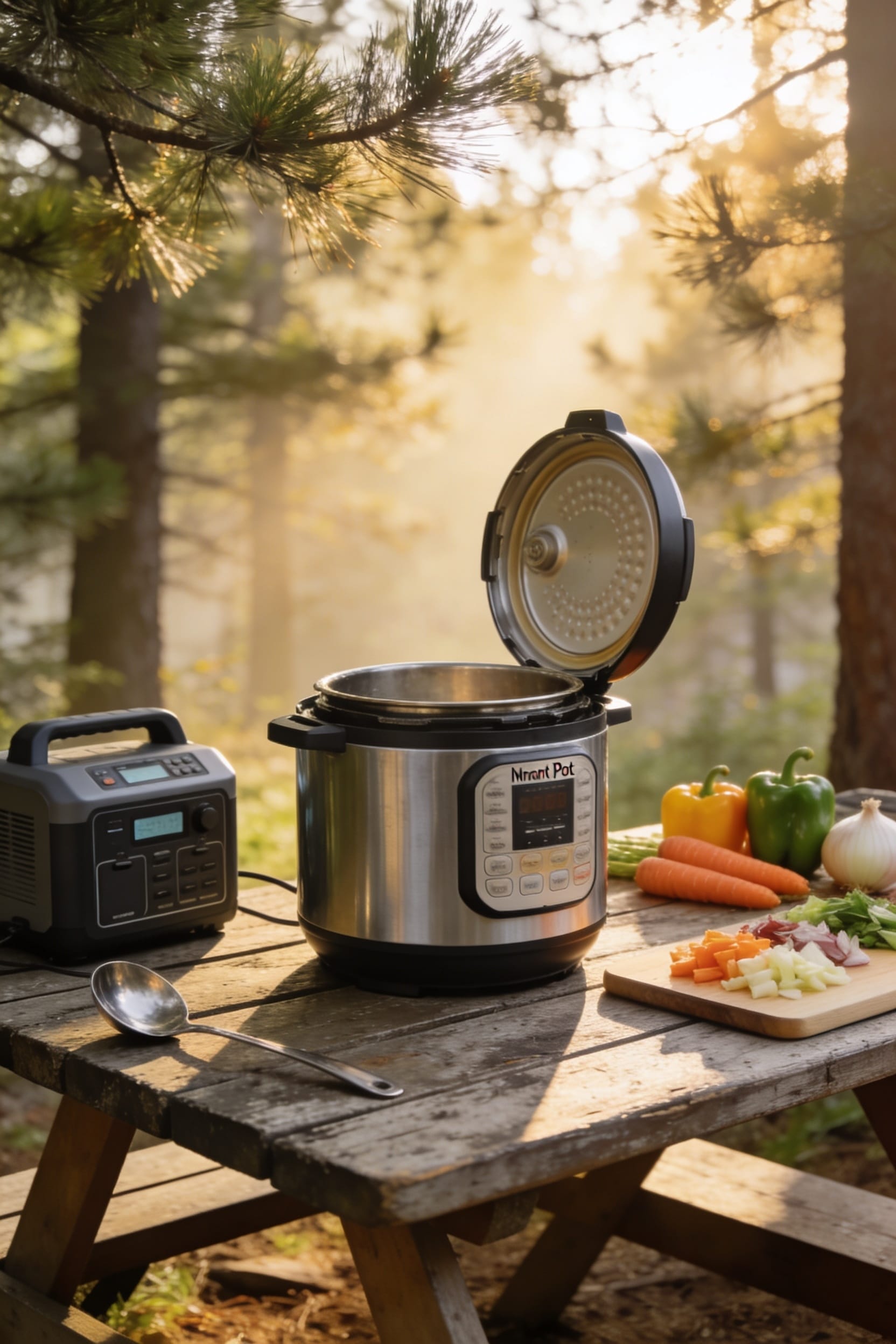
All right, here’s the thing: you’ll need electric hookup at your campsite, so check that first. Grab a 6-quart Instant Pot if you’re cooking for groups, or go smaller if it’s just you. Batch-prep meals at home, portion them into labeled bags, and dump them straight in—no stress, no window fogging. High altitude? Add extra liquid and test a batch before committing. The payoff’s real: actual food instead of hot dogs, minimal heat, and your RV stays comfortable while you’re cooking something that actually tastes good.
Key Takeaways
- Ensure your campsite has electric hookup and sufficient amperage to safely power the Instant Pot without overloading circuits.
- Prep ingredients at home by batch-chopping and portioning into labeled freezer bags for convenient dump-and-go meals.
- Increase liquid by about half a cup when cooking at high altitude to ensure proper pressurization and cooking.
- Use a familiar Instant Pot model to avoid learning new interfaces while camping and stressed about meal prep.
- Choose a 6-quart size for flexibility cooking meals for solo travelers through group camping trips with ease.
Why Use an Instant Pot for RV Camping?
Look, I’ll be honest—when I first thought about hauling an Instant Pot into an RV, I figured I was overthinking it. But here’s the thing: you’re cooking in a tiny space without wanting to crank the heat and turn your rig into an Easy-Bake Oven. An Instant Pot handles that beautifully.
You get consistent meals without babysitting anything, which means more time enjoying campfire ambiance instead of sweating over a stove. The power draw’s totally manageable—it’s like running a Crockpot. Plus, even if you’ve got battery backup for emergencies, you’re not dependent on it since you’ll hook up at your campsite anyway. You’re basically getting restaurant-quality cooking in a space where that shouldn’t be possible.
Choose Your Instant Pot: Size and Model for RV Camping
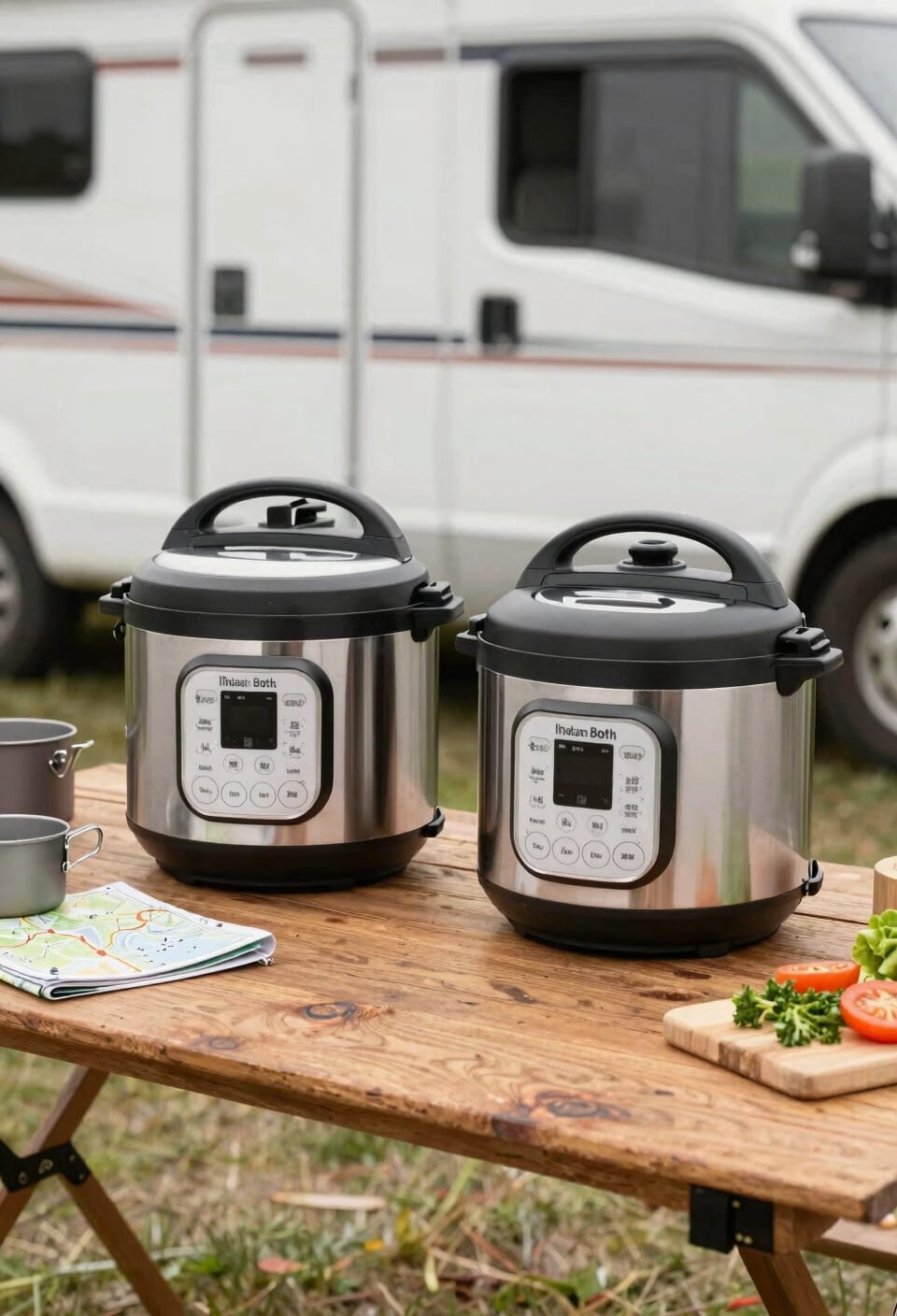
Now here’s where I see people make their first real mistake—they either grab whatever Instant Pot’s on sale or they overthink it so badly they never actually buy one. I’d go with a 6-quart if you’ve got the space, since it handles everything from solo meals to feeding a crowd. But honestly? A 3-quart works perfectly fine for two people—just scale your recipes down. The real move is using whatever model you’ve cooked with at home. You already know how it behaves, which beats learning a new interface while camping. Look for compact handles if storage’s tight, and consider the Duo Crisp if you want air fryer functions. Don’t let perfect be the enemy of done.
Does Your Campsite Have the Power You Need?
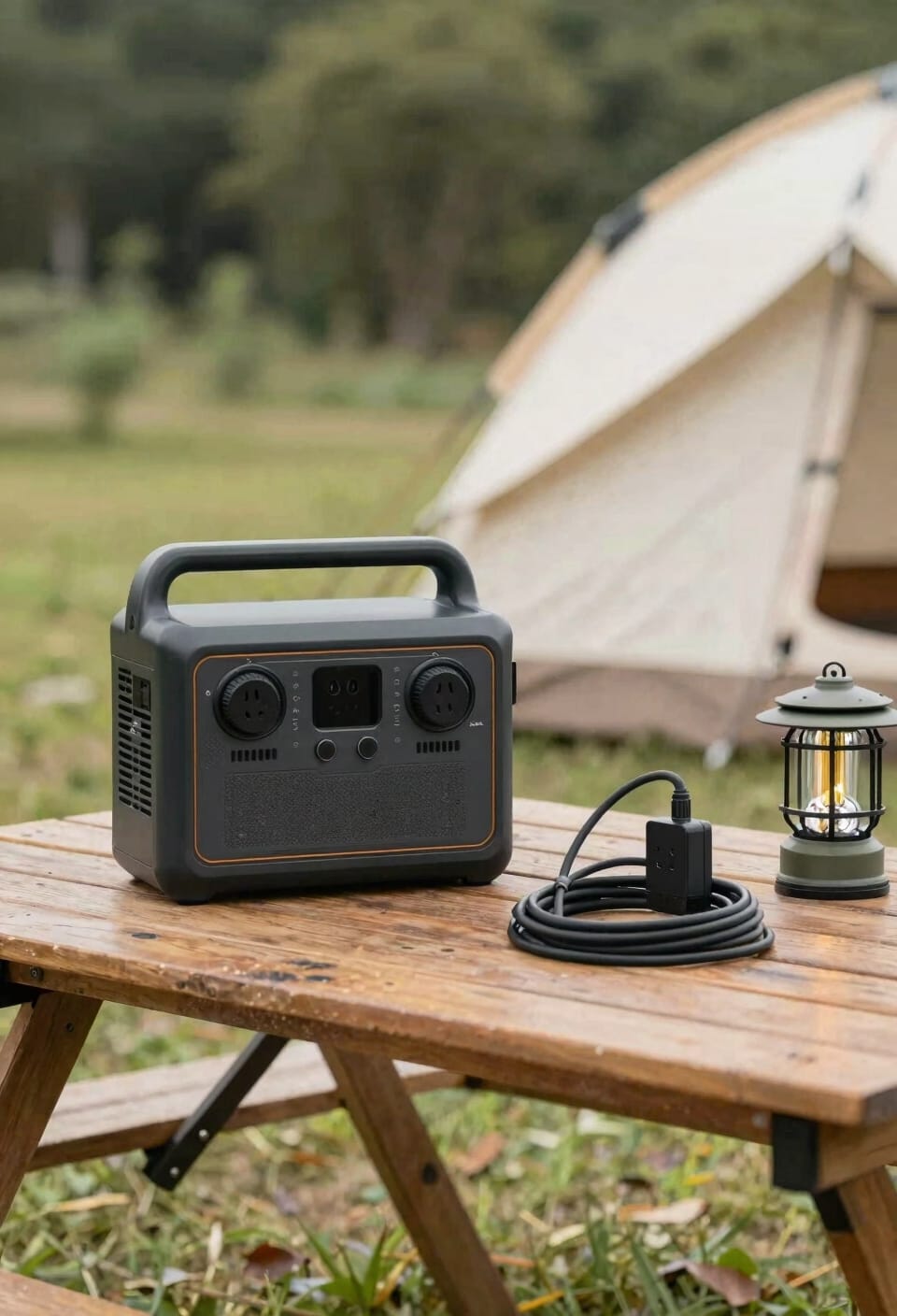
You’ve picked your Instant Pot, you’ve mentally prepared yourself for campsite cooking, and now comes the part nobody wants to think about until they’re standing at their campsite staring at a single outlet: power.
Here’s the thing—your Instant Pot needs juice. Real juice. That means you’ll need an electric hookup at your campsite, not just hope and a prayer. Check with your campground ahead of time about available power circuits and what amperage they’re offering. Some sites are stingy.
Now, the Instant Pot’s power draw is actually comparable to a Crockpot, so it’s not going to destroy your RV’s electrical system if you’re smart about it. Grab campsite adapters if needed, but don’t chain-load appliances. One thing at a time, friend. Your breaker will thank you.
Plan and Prep Your Meals Before You Hit the Road
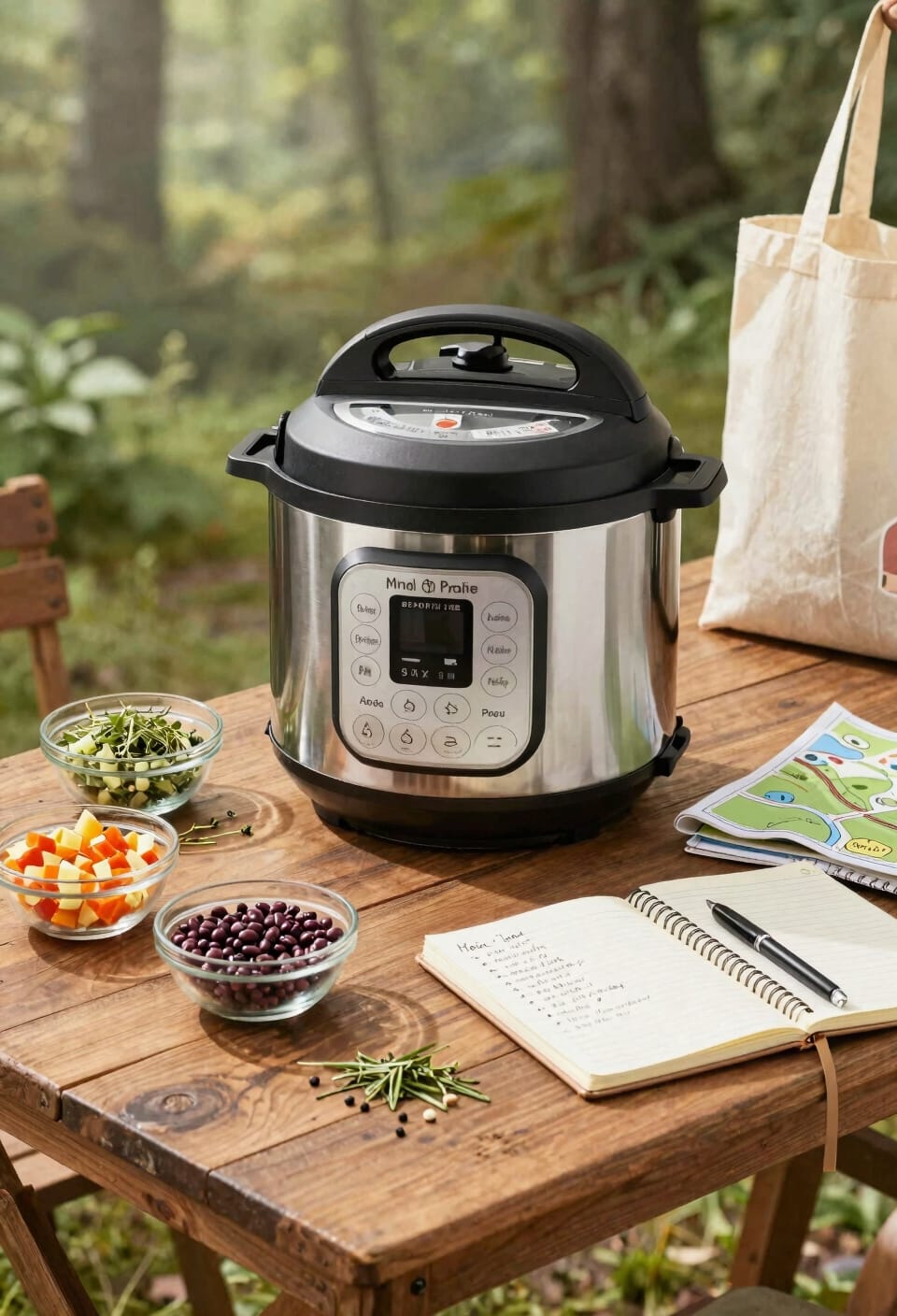
Since you’re cooking in an RV with a mini fridge and storage space that makes a dorm room look spacious, meal planning isn’t optional—it’s your survival strategy. Your pre trip shopping matters more than you’d think. I grab proteins, veggies, and pantry staples before leaving, then do ingredient batching at home—chopping potatoes, marinating chicken, portioning everything into labeled Ziplocs. Frozen meals become dump-and-go magic. I also prep seasoning packs in sealable bags so dinner’s just assembly work, not improvisation. This approach keeps me actually camping instead of frantically hunting for ingredients. You’ll maximize your time outdoors and minimize stress over what’s for dinner when your fridge could barely hold a sandwich.
Adjust Recipes for High-Altitude Cooking: Liquid, Temperature, and Ingredients
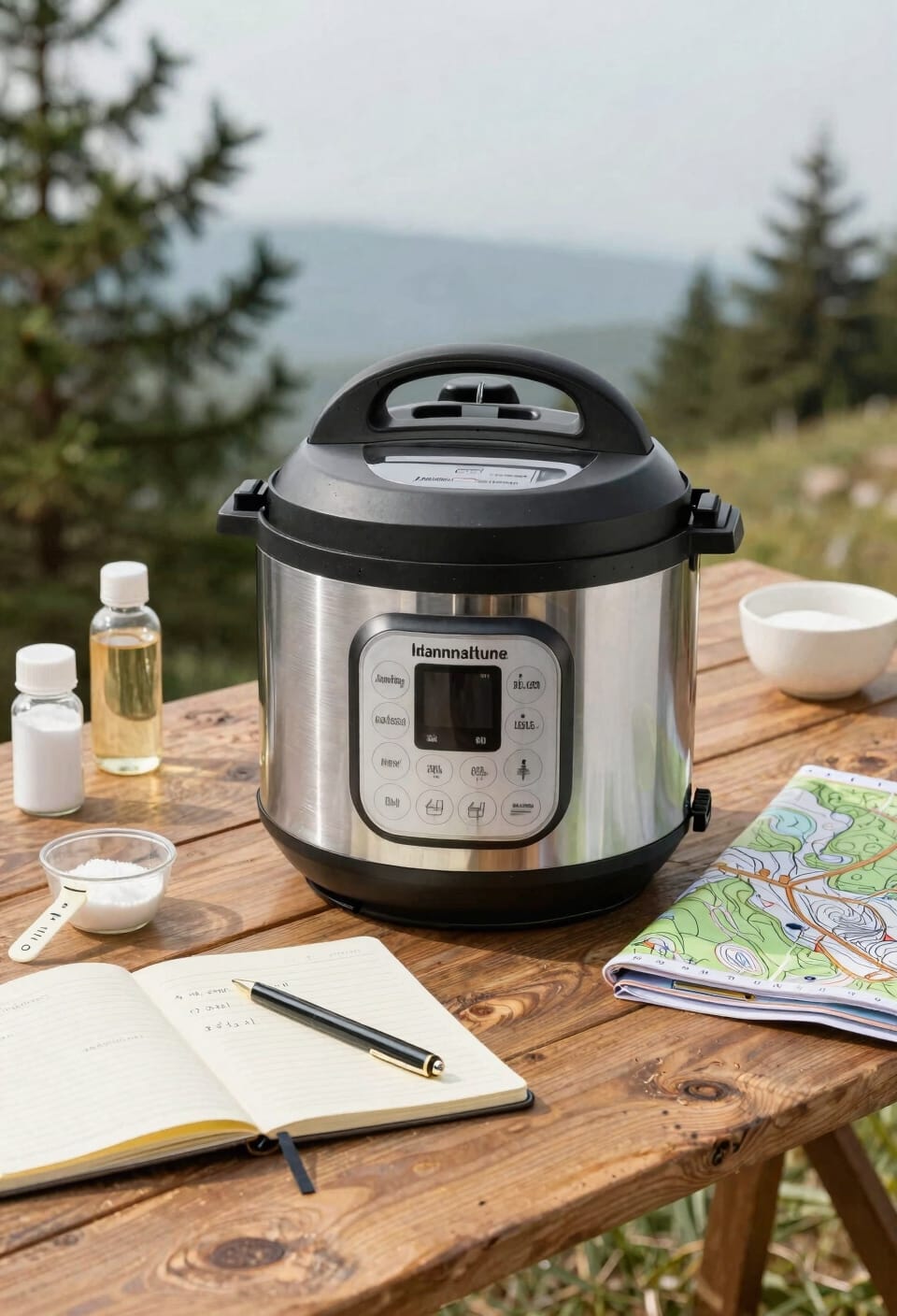
When you’re cooking at elevation, the atmosphere’s working against you—literally. Lower air pressure means water boils at a lower temperature, which messes with your pressure cooker’s chemistry. I’ve learned this the hard way.
Here’s what I do: I bump up liquids by about half a cup in recipes, which helps with proper pressurization. Liquid substitution sounds fancy, but it’s just adding more broth or water than you’d use at sea level. I also prep smaller or thawed ingredients—potatoes and chicken cook more evenly that way.
Look, addendum testing matters here. Run a test batch before committing to a full meal. Trust me, nobody wants rubbery chicken at 9,000 feet. Once you nail your adjustments, you’re golden.
Cook Faster Without Heating Up Your RV
Getting your high-altitude recipes dialed in is half the battle, but there’s another reason the Instant Pot becomes your best friend in an RV: it doesn’t turn your living space into a sauna. Unlike traditional stovetop cooking that radiates heat for hours, pressure cooking happens fast and contained. You’re looking at rapid meals—often thirty minutes or less—without that oppressive warmth creeping through your camper. Your cool interior stays cool. The sealed pot keeps steam trapped inside instead of fogging up windows and making everyone miserable. On hot days especially, this matters more than you’d think. You’ll actually want to spend time indoors instead of hiding outside just to escape the kitchen heat.
Frequently Asked Questions
How Do I Clean My Instant Pot With Limited Water Access While Camping?
I’d recommend using rinse-less wipes for quick cleanups between meals, then apply a waterless sanitizer to your pot’s components. This conserves your precious water supply while keeping everything hygienic for your next camping meal.
Can I Use My Instant Pot Without an RV Hookup at a Tent Campsite?
As the saying goes, you’ve got to bring the power with you. I’d recommend portable stoves or battery inverters to run your Instant Pot at tent campsites without RV hookups, though electric access remains ideal for reliable cooking.
What Should I Do if My Sealing Ring Smells After Cooking Camping Meals?
I’d recommend soaking your sealing ring in a vinegar solution or baking soda paste overnight to eliminate odors. You can also let it dry in the sun, which naturally removes smells from camping meals.
How Do I Store Instant Pot Components Efficiently in a Small RV?
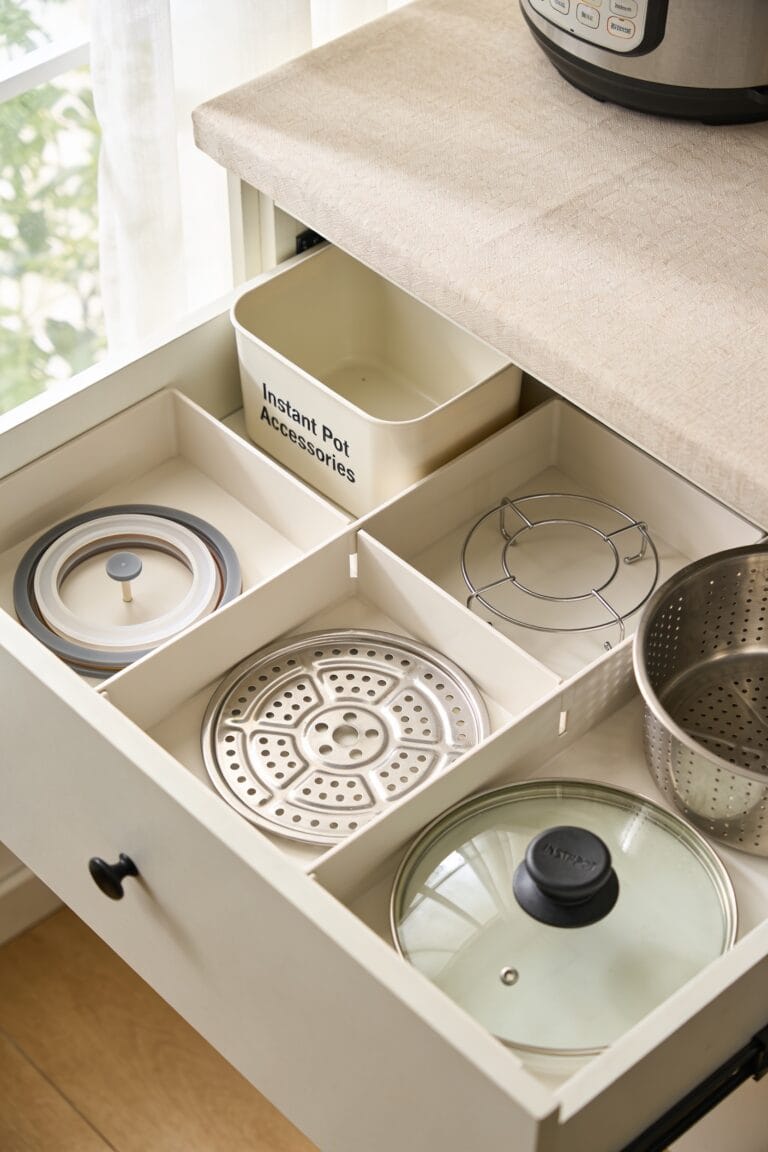
I’ve found that nesting containers work great for storing lids and accessories inside the pot itself. I recommend using a vertical organizer for the sealing ring, inner pot, and smaller components—it maximizes RV cabinet space efficiently.
Can I Cook Frozen Meals Directly From Ziploc Bags in the Instant Pot?
I’d recommend thawing your meals first rather than cooking them directly in bags. While some safe plastics withstand steam venting, it’s risky. I transfer frozen contents to the pot for even cooking and safety.
Conclusion
Look, I’ll be straight with you—your Instant Pot just became your camping superpower. You’re literally cooking gourmet meals in minutes while everyone else is choking down freeze-dried slop. I’m talking tender roasts, perfect rice, actual vegetables that don’t taste like cardboard. Your RV’s about to become the most popular campsite around, and honestly, that’s either incredible or a total nightmare depending on how you feel about sharing food.