As an Amazon Associate, we earn from qualifying purchases. Some links on this site are affiliate links at no extra cost to you. Our recommendations are based on thorough research and editorial judgment.

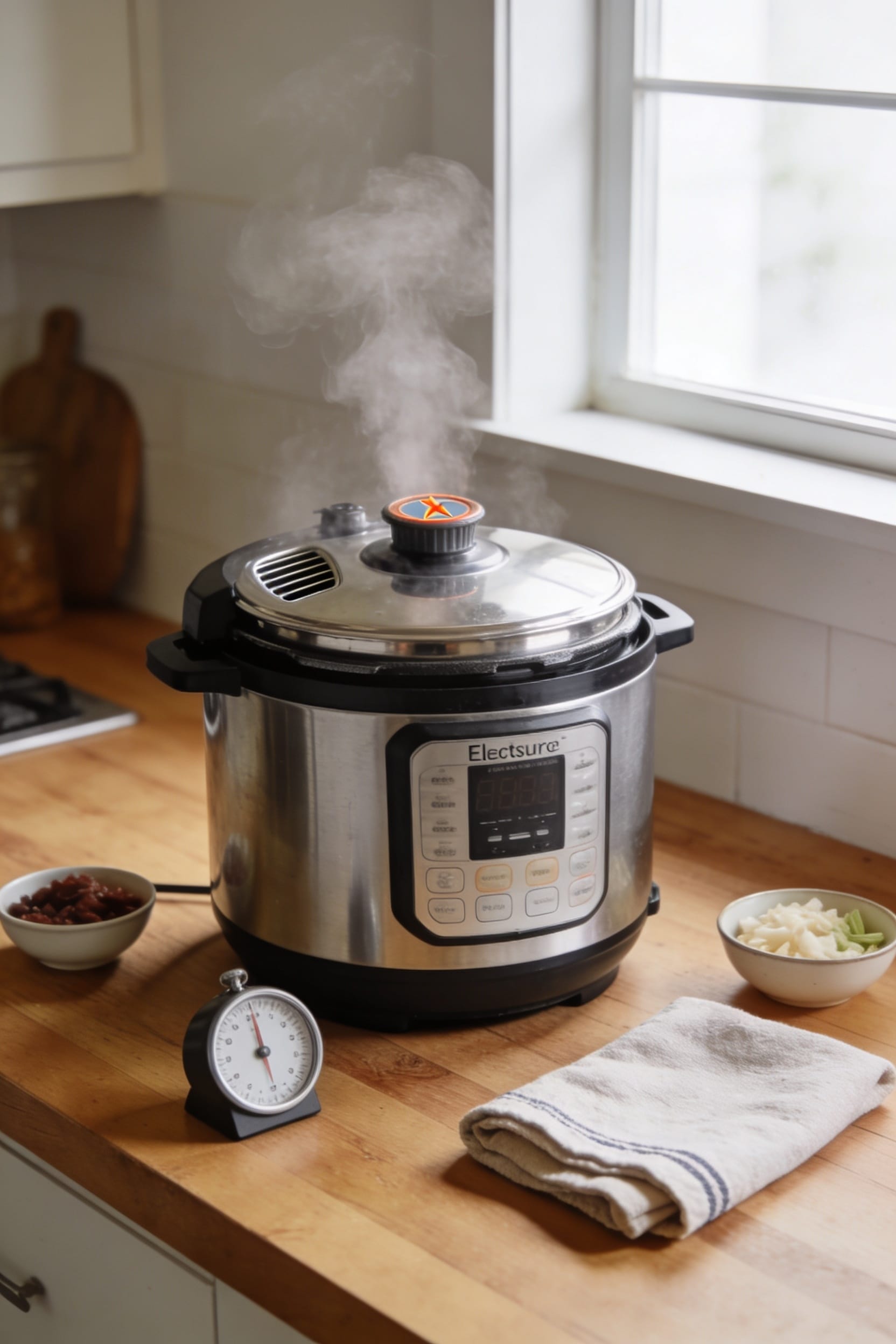
How Long Does an Instant Pot Take to Come to Pressure?

Look, your Instant Pot typically takes 10–15 minutes to come to pressure, though honestly it varies all over the place depending on pot size, ingredient temperature, and liquid volume. A smaller 3-quart model might hit pressure in five minutes, while an 8-quart can stretch past 15. Cold ingredients and higher liquid volumes stretch things out too. The important thing to remember: this pressurization time doesn’t count toward your actual cooking time, which matters way more than you’d think when you’re planning dinner.
Key Takeaways
- Initial pressurization typically takes 10–15 minutes before the pressure indicator pin locks in place.
- Larger pots need more time; 3-quart models pressurize in ~5 minutes, 8-quart models take 15+ minutes.
- Cold or frozen ingredients significantly slow pressurization; thawing food beforehand reduces total pressurization time substantially.
- Liquid volume directly affects pressurization speed; 2 cups takes ~5 minutes while 10 cups takes ~15.5 minutes.
- Pressurization time doesn’t count toward cooking time; total meal duration includes pressurization, cooking, and release phases.
The Typical Pressurization Timeline: 10–15 Minutes
When you first hit the pressure cook button, nothing seems to happen—and that’s actually the whole point of this first phase. Your Instant Pot’s spending roughly 10 to 15 minutes building steam and reaching the pressure needed to cook. That pressure indicator pin lifts up and locks into place once you’ve hit your target pressure, signaling the actual cooking timer can finally start.
Here’s the thing: this pressurization window varies depending on what you’re working with. If you sautéed aromatics beforehand, you’ll see preheat effects that speed things up considerably. Cold ingredients or a fuller pot? That’s going to push closer to the 15-minute mark. The timer doesn’t begin until pressure’s fully established, so don’t get antsy watching that pin—it’s doing exactly what it should be doing.
How Pot Size Affects Pressurization Speed
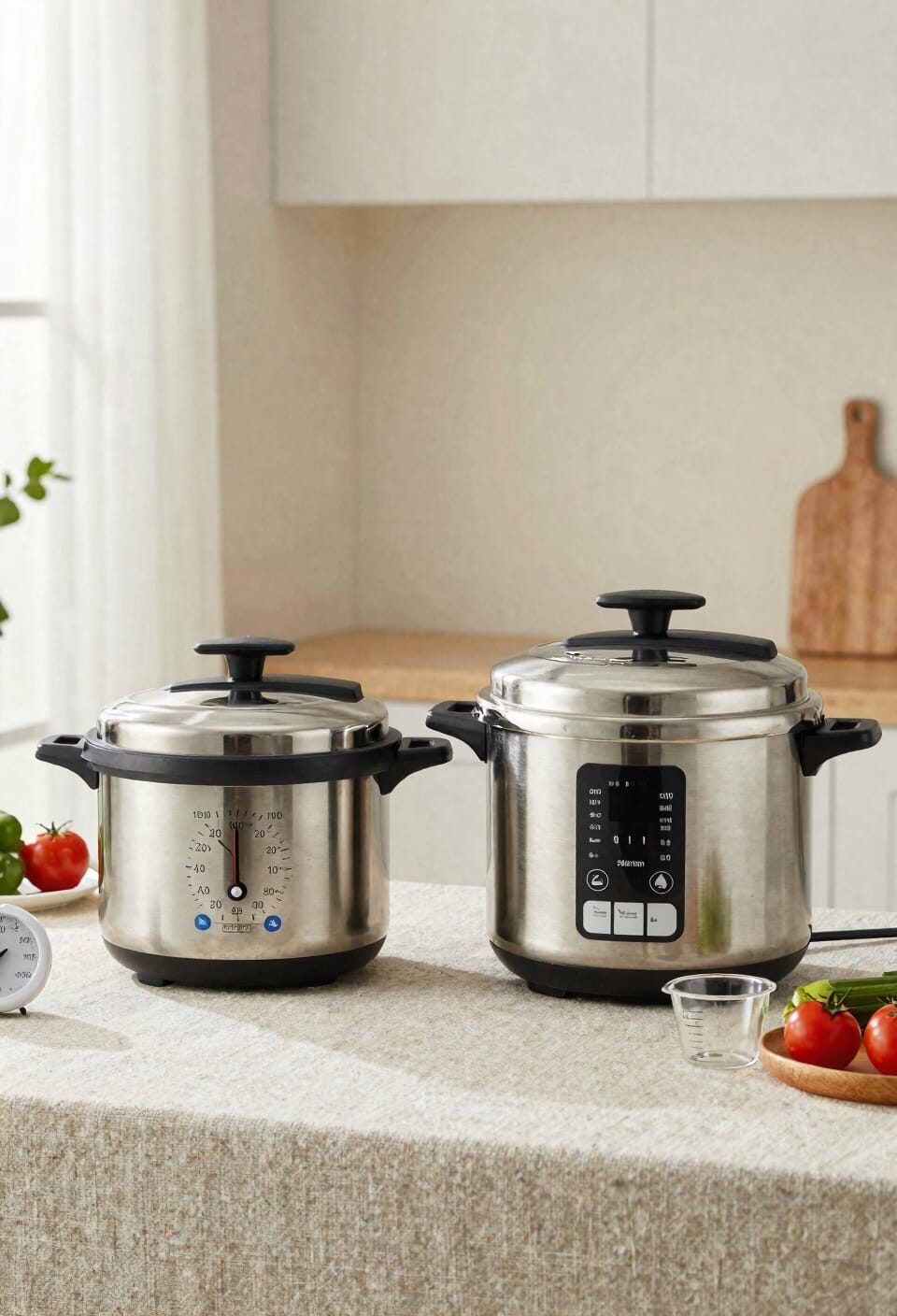
Pot size is one of those variables that actually matters more than you’d think, and honestly, it’s the reason why my 3-quart Instant Pot can have dinner ready while my 8-quart is still building steam in the corner. Here’s the thing: larger capacity models require substantially more steam to build adequate pressure, and those steam dynamics work against you when you’re scaling up. A 3-quart pressurizes in maybe five minutes, but jump to an 8-quart and you’re looking at fifteen or more. It’s not just a minor inconvenience—it’s a genuine capacity comparison issue. The bigger the pot, the longer you’re waiting before cooking actually starts. That’s physics, not opinion.
How Ingredient Temperature Affects Pressurization Time
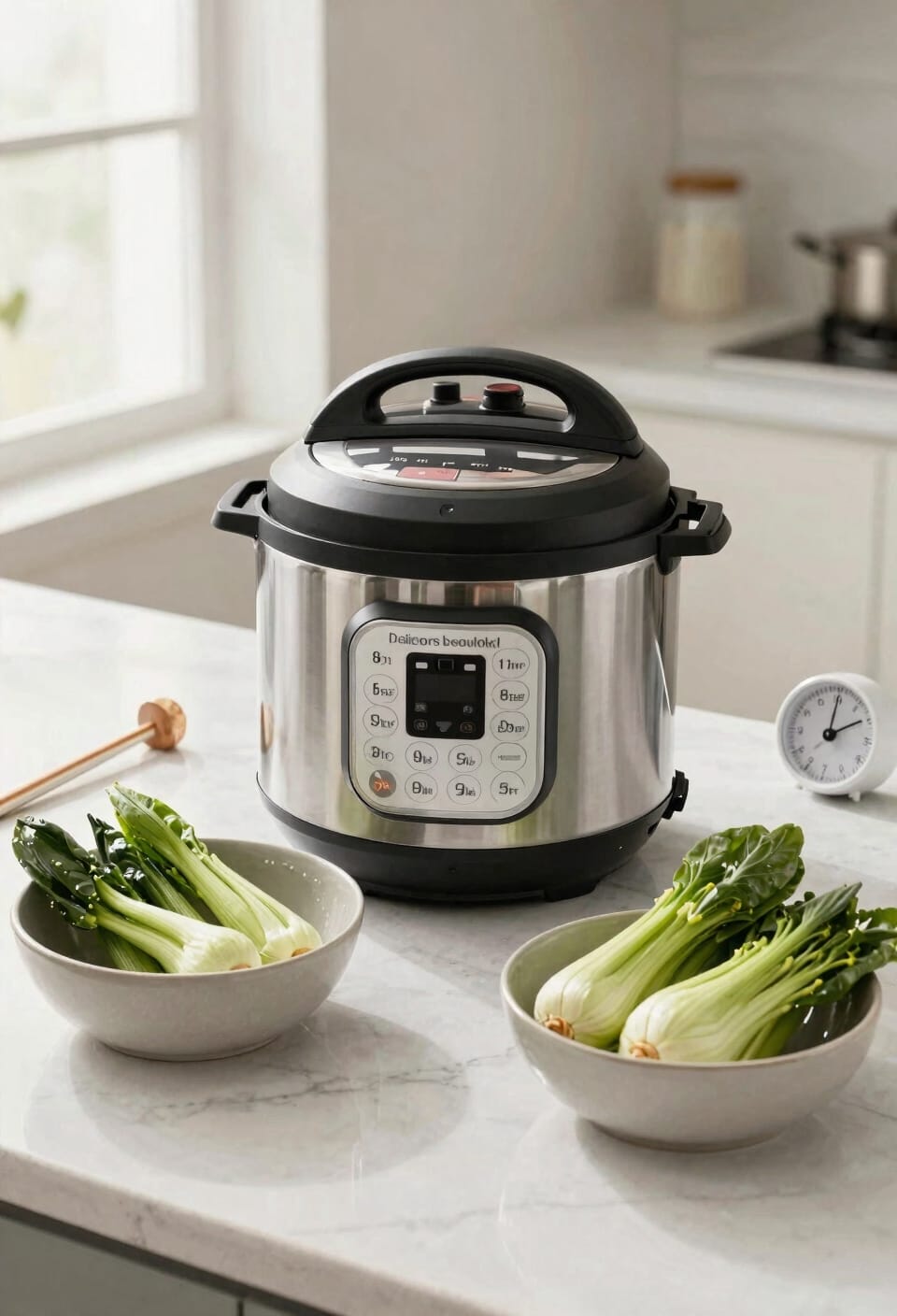
If you’ve ever dumped a bunch of frozen chicken into your Instant Pot and wondered why it’s taking forever to pressurize, you’ve just discovered one of the biggest variables in the whole equation—ingredient temperature.
Cold ingredients demand way more energy to heat up, which means your pot’s working overtime just reaching that pivotal pressure point. I’m talking cold ingredients can nearly triple your pressurization time in some cases. Now, here’s the thing: if you use warm or room-temperature ingredients instead, you’re already ahead. There’s less thermal carryover needed.
Thawing frozen foods beforehand cuts serious time off your total cook. Preheating your pot during a sauté step? Even better. It’s one of those small moves that actually compounds into meaningful time savings, especially when you’re cooking weeknight dinner.
How Liquid Volume Impacts Pressurization Time
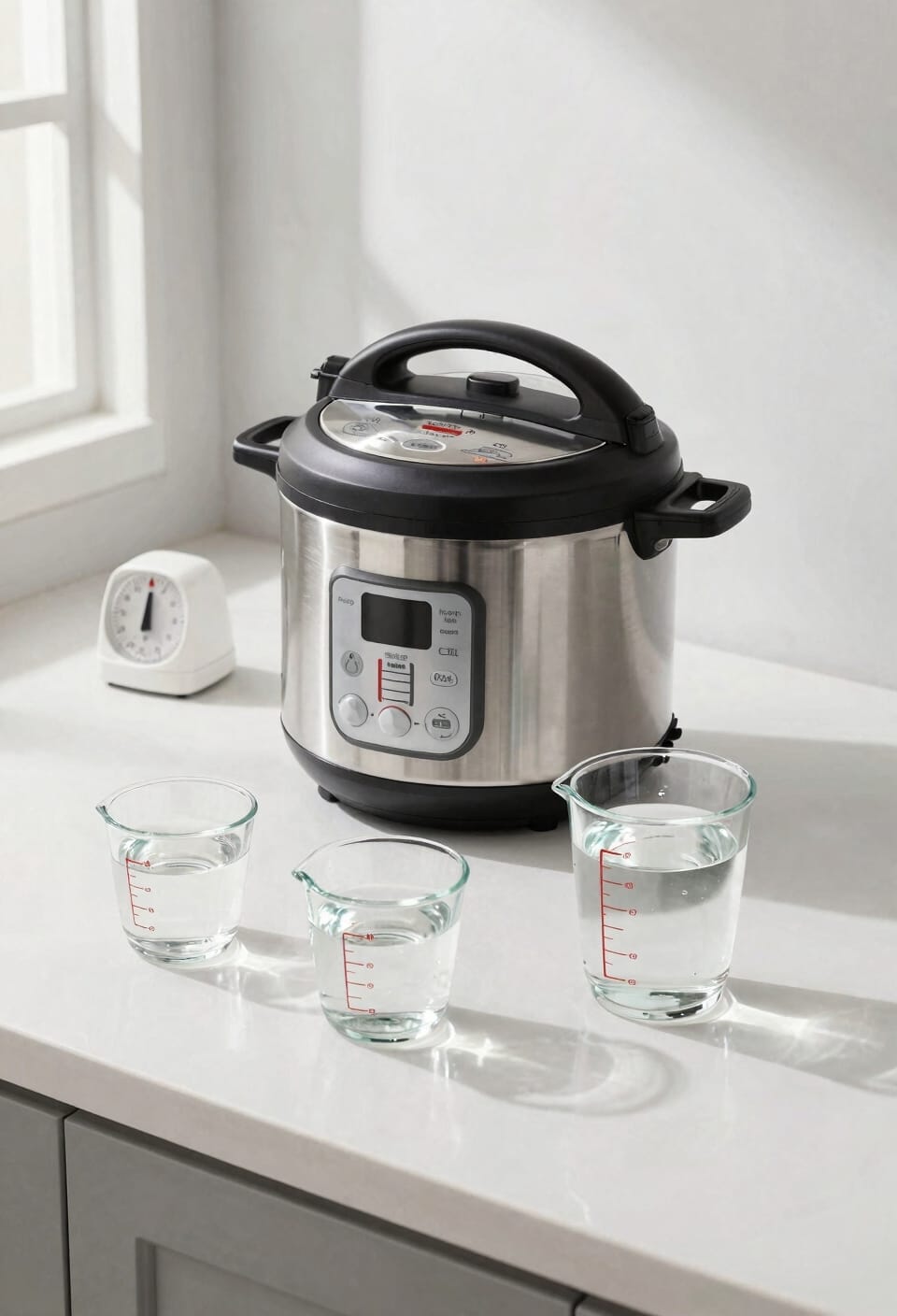
Liquid volume is honestly one of the most straightforward variables you’ll encounter, and yet I see people get blindsided by it all the time—they dump in way more broth than the recipe calls for, then act shocked when the pot takes forever to pressurize. Here’s the thing: a pot with just 2 cups of water might reach pressure in around 5 minutes, but fill that same pot with 10 cups and you’re looking at roughly 15.5 minutes. That’s not a typo. More liquid means more steam circulation needed to build adequate pressure, plus you’re dealing with liquid stratification as heat works its way through all that volume. Stick to what recipes specify, and your pressurization times stay predictable.
5 Ways to Speed Up Pressurization
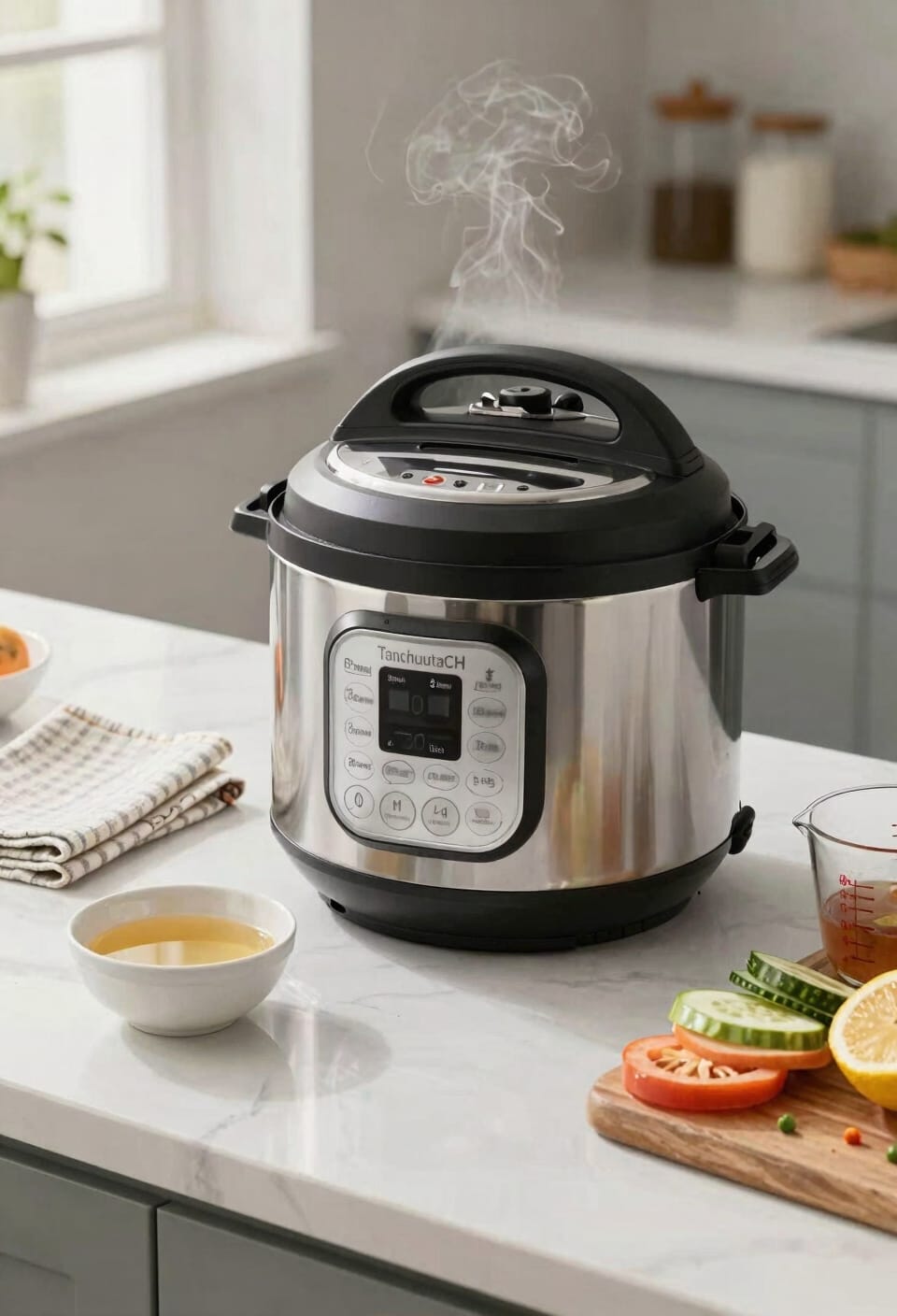
Once you understand what’s actually slowing down your pressurization, you realize there’s a whole toolkit of moves you can deploy to speed things up—and I’m not talking about standing there willing the pin to rise faster (I’ve tried, it doesn’t work).
Start with preheating your pot during the sauté step before you lock the lid. Warm stainless steel builds pressure dramatically faster than cold metal. Use room-temperature or warm ingredients when possible; thawing frozen foods beforehand cuts pressurization time substantially. Keep your liquid fill reasonable—more water means longer waits. Master the venting technique by ensuring your steam release handle sits firmly in the sealed position. Finally, don’t overstuff; give steam room to circulate efficiently inside the pot.
Pressurization Time vs. Cooking Time: Why It Matters
Because your Instant Pot won’t actually cook anything until it reaches pressure, I’ve watched plenty of people get frustrated waiting for that pin to pop up, thinking their food should already be done by now. Here’s the thing: that 10-15 minute pressurization phase doesn’t count toward your actual cooking time. Your recipe’s timing starts after pressure builds, not before. This matters hugely for recipe planning because you need to factor both phases into your total time expectations. I can’t tell you how many dinners I’ve nearly botched by forgetting this distinction. When you’re setting your timing expectations, add pressurization time plus cooking time plus release time. That’s your real window. It changes everything about how you schedule dinner.
Minimum Liquid Requirements for Pressurization
Now that you understand why pressurization time matters separately from cooking time, there’s something equally important that trips people up: you can’t actually build pressure without enough liquid in the pot. I’m talking about minimum water requirements here—you need at least 1 to 1.5 cups of thin liquid like water or broth to get the job done. Skimp on this, and your Instant Pot will struggle. You won’t reach proper pressure, and your seal integrity gets compromised. Think of it like this: pressure needs steam, and steam needs liquid to happen. It’s not complicated, but it’s absolutely non-negotiable. Get this part right, and everything else falls into place.
Total Cook Time: Adding Up Pressurization, Cooking, and Release
Adding up all the moving parts—pressurization time, actual cooking time, and pressure release—is where a lot of people get tripped up, and I’ll be honest, it’s because nobody talks about it upfront. You might set a 20-minute cook time and think you’re eating in 20 minutes. Nope. You’re looking at 10-15 minutes just to pressurize, then your actual cooking, then another 15-20 minutes for natural release. That’s easily 45-55 minutes total before you’re even thinking about post cook cleanup and your serving timeline. So when you’re meal planning, don’t just glance at the recipe’s cook time. Account for the whole journey from cold pot to ready-to-eat. That’s what separates Instant Pot disappointment from Instant Pot success.
Frequently Asked Questions
What Does the Pin Lifting in the Lid Indicate About Pressurization Completion?
When I see the pin lifting in the lid, I know the float indicator’s engaged, showing the lid seal’s secure and my Instant Pot’s reached full pressure. That’s when my cooking timer starts.
How Does the Keep Warm Setting Affect Pressure Release Duration?
I’ve found that the keep warm setting extends your pressure release duration by maintaining residual heat inside the pot. This keep warm impact slows down the cooling process, so you’ll wait longer for pressure to decrease naturally compared to turning it off completely.
Can You Use Thick Liquids Like Broth Alternatives for Pressure Building?
You can’t teach an old dog new tricks, and your Instant Pot’s the same way. I’d recommend thin liquids—viscosity impacts steam circulation, and thick broth alternatives compromise seal integrity, preventing proper pressure buildup.
What Happens if You Open the Lid Before Pressure Fully Releases?
I’d advise against opening the lid before pressure fully releases because you’ll face serious safety risks from steam burns and potential food splattering. Additionally, you’ll compromise your food’s texture and cooking results markedly.
Does Sautéing Ingredients Before Cooking Reduce the Pressurization Time Needed?
Yes, I’ll slash your pressurization time dramatically! When I sauté ingredients first, the pot’s already warm, heating up faster. You’ll unleash searing benefits and flavor concentration while practically flying to pressure.
Conclusion
Look, understanding your Instant Pot’s pressurization timeline isn’t just trivia—it’s like knowing how long your commute takes before you leave the house. You can’t plan your dinner if you’re guessing at half the process. Factor in that 10–15 minutes upfront, and suddenly you’re not caught off guard when dinner’s later than you thought. It matters, trust me.