As an Amazon Associate, we earn from qualifying purchases. Some links on this site are affiliate links at no extra cost to you. Our recommendations are based on thorough research and editorial judgment.

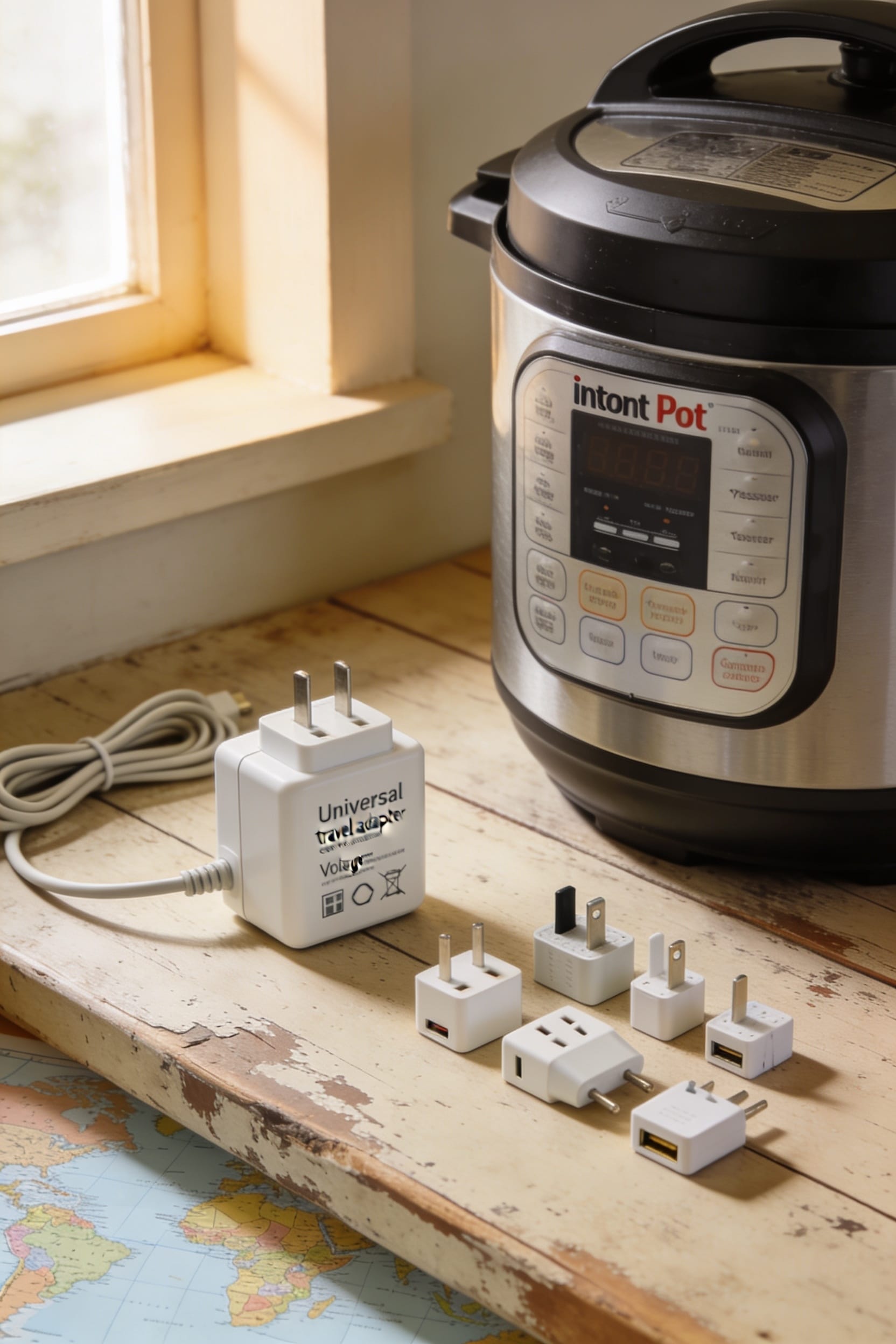
Using an Instant Pot Abroad: Voltage and Plug Guide

Look, I learned this the hard way: your US Instant Pot and foreign outlets are fundamentally incompatible. A plug adapter just changes the shape—it won’t protect your machine from a voltage surge that’ll fry it permanently. You’ve got three real options: buy a heavy, expensive voltage converter, accept the fire risk and warranty void, or grab a region-specific model at your destination. The math usually favors the new pot, but there’s more to weigh about where and how to find one.
Key Takeaways
- US/Canada Instant Pots rated 110–120V will be permanently damaged if plugged into 220–240V outlets abroad without proper conversion.
- Plug adapters only change plug shape; they don’t convert voltage and won’t protect your appliance from electrical damage.
- Voltage converters can work but are heavy, costly, and increase fire risk while potentially voiding your warranty.
- Buying a region-specific Instant Pot model locally costs similarly to a converter and preserves manufacturer warranty coverage.
- Purchase regional Instant Pot variants through local retailers, Amazon country sites, or official manufacturer websites in your destination country.
Why Your US Instant Pot Won’t Work Overseas
Before you pack that gleaming stainless steel Instant Pot for your international adventure, here’s the uncomfortable truth: if you bought it in the US or Canada, it’s basically an expensive paperweight the moment you plug it into a foreign outlet. Your 110–120V appliance simply can’t handle the 220–240V systems most countries run on. Plug it in anyway, and you’re looking at permanent damage—we’re talking fried circuits, melted components, the whole tragedy. Beyond the hardware destruction, there’s the safety certifications issue: your US model wasn’t tested for those voltage systems. And here’s the kicker—violating manufacturer guidelines by attempting foreign use? That’ll void your warranty faster than you can say “international incident.”
Plug Adapters vs. Voltage Converters: Know the Difference
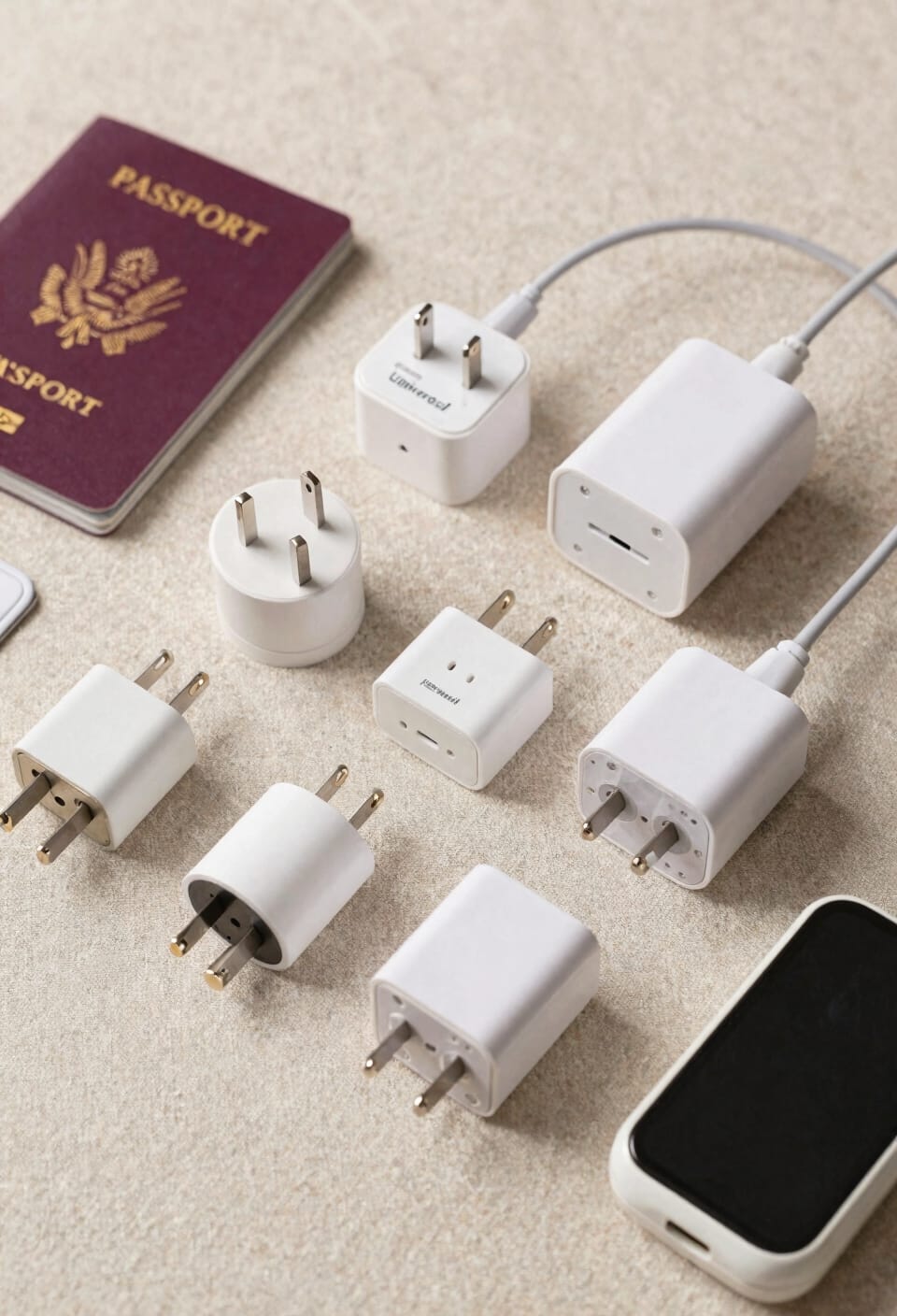
Now, I know what you’re thinking—”Can’t I just grab one of those little plug adapters from the airport gift shop and call it a day?” I’ve been there, honestly, staring at those cheap plastic adapters thinking they’re some kind of electrical magic wand.
Here’s the thing: plug adapters only change the physical shape of the connector. They don’t transform the actual electrical current. Your US Instant Pot pulling 110V through a UK outlet still gets slammed with 220V—and that’s when things go sideways fast. Permanently.
This safety misconception costs people serious money and ruins vacation plans. When you’re travel packing, grab a voltage converter instead—it actually transforms the current. Plug adapters alone? They’re just shapeshifters masquerading as solutions. Don’t let them fool you.
Using US Models Abroad: Will a Converter Actually Work?
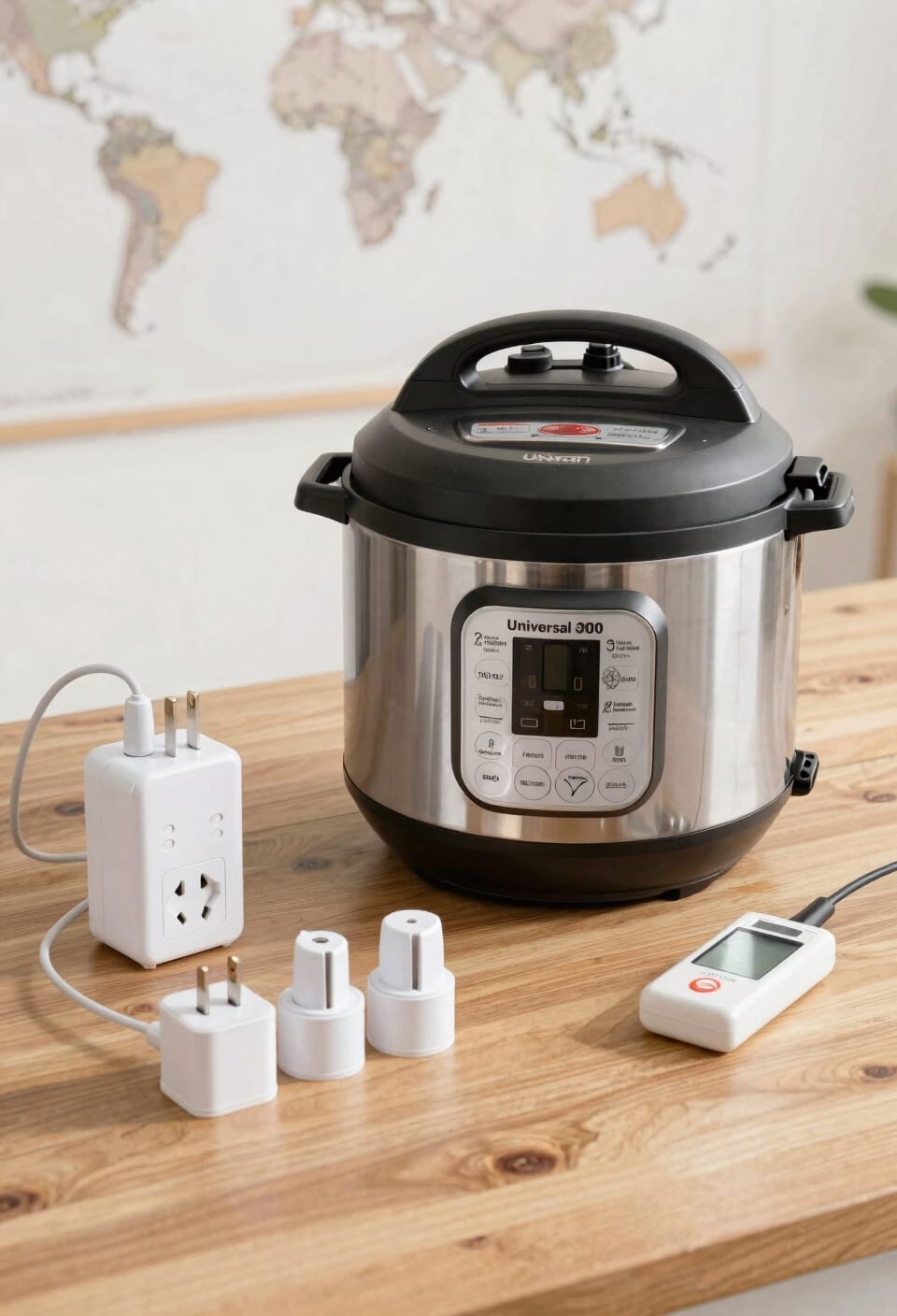
Since you’ve got a proper voltage converter (the real deal, not that airport impulse buy), your US Instant Pot can technically work abroad—but “can” and “should” are having a serious argument here. Look, I’ll be straight with you: those converters weigh about 40 pounds and cost nearly as much as buying a second Instant Pot. That’s before we talk about safety considerations. Running your appliance through a converter creates heat stress on components, raising fire risk in ways manufacturers didn’t design for. There’s also the warranty implications—using converters violates most warranties, leaving you stranded if something goes wrong overseas. Honestly? Buying a region-specific model beats the hassle entirely.
Converters vs. Buying New: The Real Cost Comparison
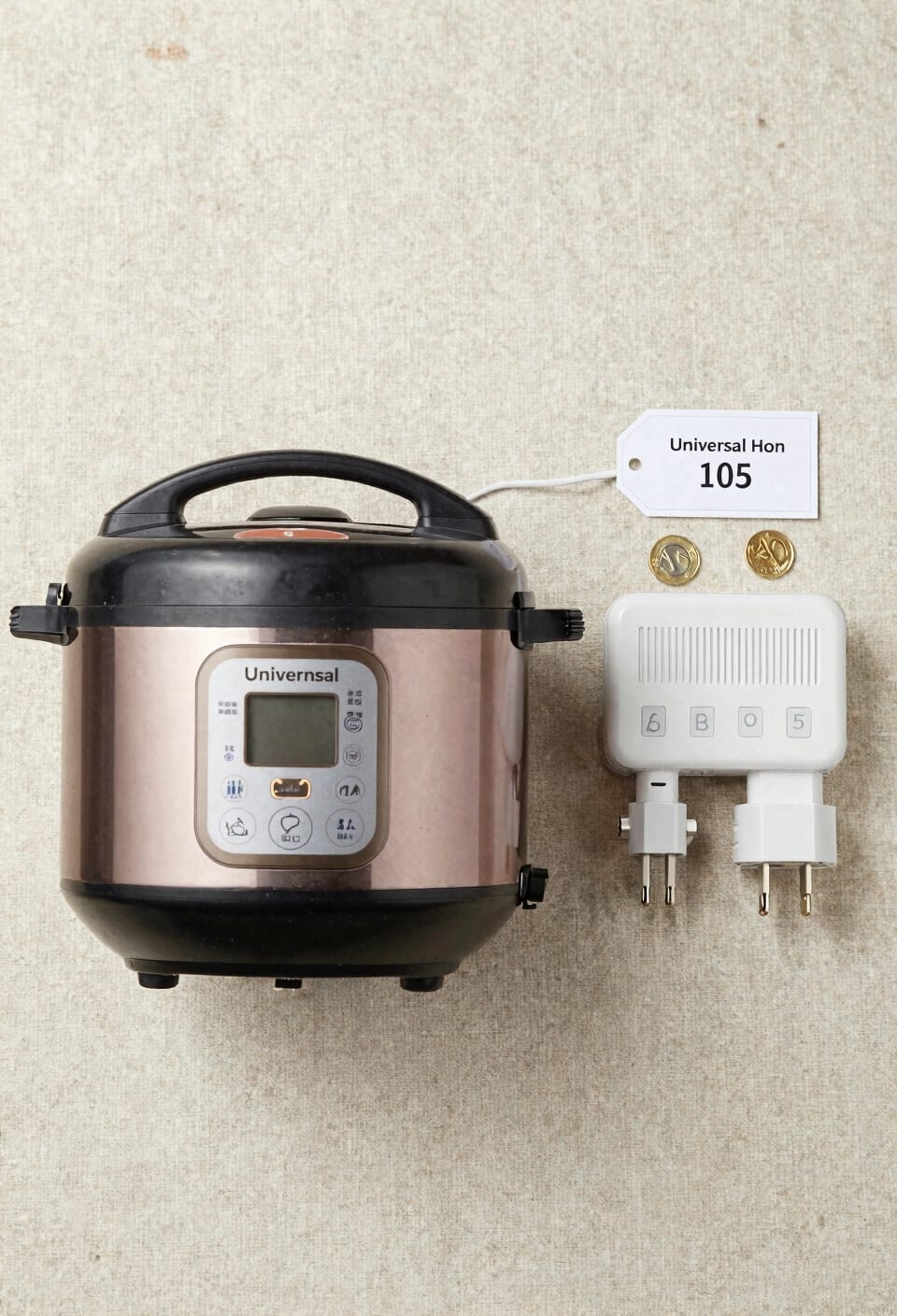
The math on converters gets ugly real fast once you start adding things up. You’re looking at $40–60 for a decent 1500-watt converter, plus shipping if you’re buying online. Then there’s the weight—40 pounds is nobody’s idea of fun in a suitcase. Now, here’s where it gets interesting: a new Instant Pot costs roughly the same as a quality converter, sometimes less. For long term savings, buying a regional model just makes sense. You’ll avoid replacement hassles, skip the converter entirely, and actually own something you can use without guilt. There’s also the environmental impact to bear in mind—fewer electronics means fewer resources burned. Honestly, if you’re traveling internationally more than once, you’re already ahead buying new.
Buying Region-Specific Instant Pot Models Instead
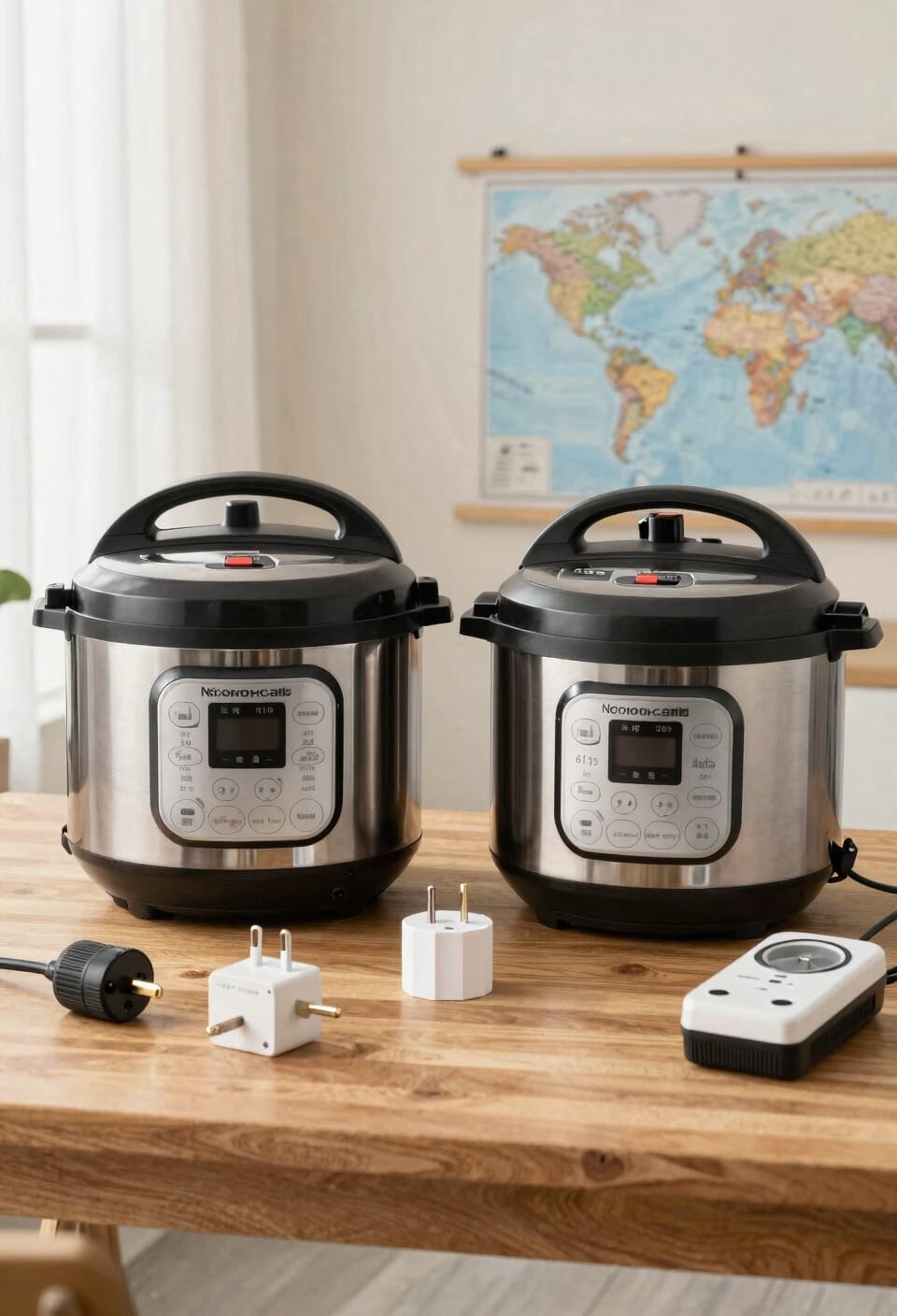
If you’re traveling internationally more than once or twice, buying a region-specific Instant Pot model is honestly your cleanest move. Look, I get it—you already own one, and buying another feels wasteful. But here’s the thing: regional availability has actually improved. You can grab UK models through instantpot.co.uk or amazon.co.uk without breaking the bank. When you do a real price comparison, purchasing a second Instant Pot often costs less than a quality voltage converter anyway, plus you avoid the headache of lugging around forty pounds of equipment. You’ll keep your warranty intact, your mind at ease, and your ability to make risotto without wondering if you’re about to fry your appliance. That’s worth it.
Where to Find the Right Instant Pot for Your Destination
Now that you’ve decided buying a region-specific model beats lugging around converter equipment, the practical question becomes where you actually *find* the thing—and I’ll be honest, this part’s easier than it used to be. Check local retailers in your destination country first; they’ll carry models built for that region’s voltage standards. Online marketplaces like amazon.co.uk for the UK or local versions in Australia give you shipping options and genuine regional variants. Official manufacturer websites, particularly instantpot.co.uk, list exactly what’s available where you’re headed. The upside? You’re not hunting down some sketchy seller or crossing your fingers about what voltage you’re actually getting. You know what you’re buying works there.
Frequently Asked Questions
Can I USe a UK Instant Pot in the US With a Step-Down Converter?
I wouldn’t recommend it. Your UK Instant Pot explicitly prohibits use outside 220–240V systems, even with step-down converters. Manufacturers include these safety warnings to prevent damage and void warranties. You’re better off purchasing a US model instead.
What Wattage Converter Do I Need for My US Instant Pot Abroad?
You’ll need a converter handling your Instant Pot’s power draw—typically up to 1500 watts. Don’t confuse this with a plug adapter, which only changes the connector’s shape. A proper voltage converter transforms the electrical current for safe operation abroad.
Will Using a Converter Void My Instant Pot’s Manufacturer Warranty?
I’d love to tell you converters won’t affect your warranty, but manufacturer policy explicitly states they will. Using converters violates official restrictions, voiding warranty coverage regardless of the converter’s quality or your intentions abroad.
Are Dual Voltage Instant Pot Models Available for International Travelers?
I haven’t found dual voltage? Instant Pot models available for international travelers. You’ll need region-specific models or voltage converters, which raises travel safety? concerns. Purchasing separate regional models remains your most practical solution.
How Long Can I Safely Operate an Instant Pot on a Converter?
I can’t give you a specific run time because manufacturers don’t publish converter operation guidelines. What I know is that converters generate heat, potentially triggering your Instant Pot’s thermal protection, which could interrupt cooking unexpectedly.
Conclusion
Look, taking your Instant Pot abroad isn’t rocket science, but it’s easy to get burned if you’re not careful. Do your homework on voltage and plugs before you pack—buying a region-specific model might seem pricey upfront, but it’ll save you from cooking up a real electrical disaster. Your pressure cooker’s too good to leave behind, so make it work wherever you’re headed.