As an Amazon Associate, we earn from qualifying purchases. Some links on this site are affiliate links at no extra cost to you. Our recommendations are based on thorough research and editorial judgment.

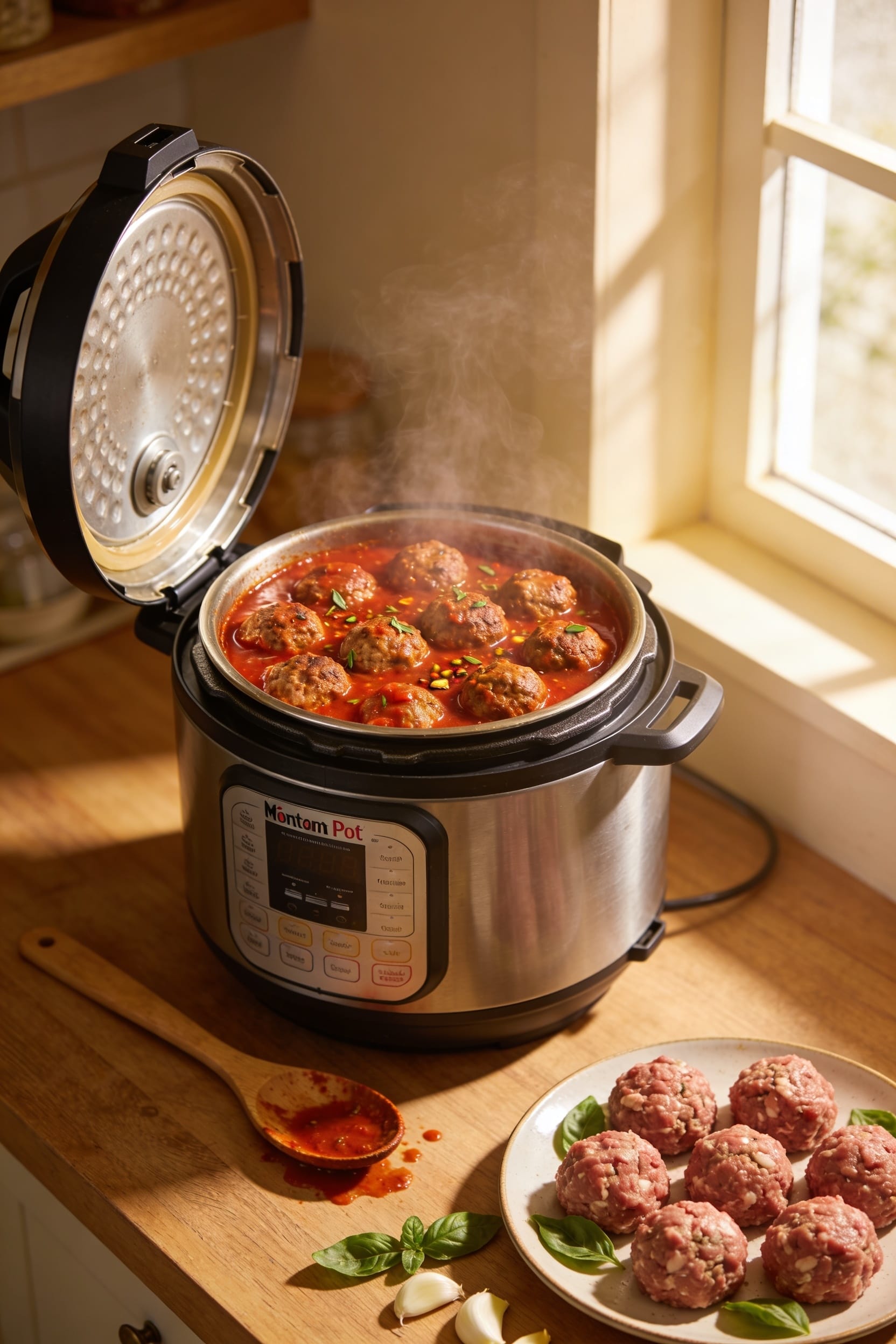
How to Cook Meatballs in an Instant Pot

All right, here’s the thing—you’ll want to mix ground meat with breadcrumbs, eggs, garlic, and Italian herbs, then roll them into golf-ball-sized portions. Pop them in your Instant Pot with sauce as your cooking liquid, pressure cook on high for seven to nine minutes depending on size, then do a natural release for five minutes before venting. Hit an internal temp of 160°F and you’re golden. But there’s definitely technique to keeping them tender instead of rubbery, which we should probably talk through.
Key Takeaways
- Mix ground meat, breadcrumbs, eggs, onion, garlic, and Italian seasonings; use a scoop for uniform golf-ball-sized portions.
- Pour sauce or broth into the Instant Pot; arrange meatballs on trivet or in basket with sealing valve set.
- Pressure cook on high for 7–9 minutes depending on meatball size; allow 15 minutes for pot to reach pressure.
- Release pressure naturally for 5 minutes, then quick release remainder using a splatter guard over the vent.
- Check internal temperature reaches 160°F; finish with sauce reduction and serve over pasta, bread, or family-style in bowl.
Prepare Your Instant Pot Meatball Mixture
Grab your mixing bowl and let’s build something delicious—because good meatballs start with understanding what each ingredient actually does for you. Ground meat is your foundation, but here’s the thing: you need breadcrumbs or panko to bind everything together, plus eggs to lock it all in place. Mince your onion and garlic fresh—don’t skip this step. For herb incorporation, I’m talking oregano, salt, pepper, and whatever Italian herbs you’ve got hanging around. Parmesan cheese adds serious flavor depth. Mix gently by hand; overmixing creates tough, dense meatballs nobody wants. Add a splash of milk or water to reach the right consistency. Keep your meat temperature cool by working quickly, and dip your hands in cold water occasionally to prevent sticking. You’re almost there.
Recommended Products

America's favorite breadcrumbs

Carb Free Diet Compatibility: Zero carbohydrates making it suitable for Paleo and Keto diets, providing a good high protein food option

ITALIAN-STYLE MEATBALL: Includes meatballs made from pork and turkey, plus carrots, celery, and penne pasta in a rich, savory broth; Contains a half cup of vegetables and 170 calories per can
Shape and Size Your Instant Pot Meatballs Consistently
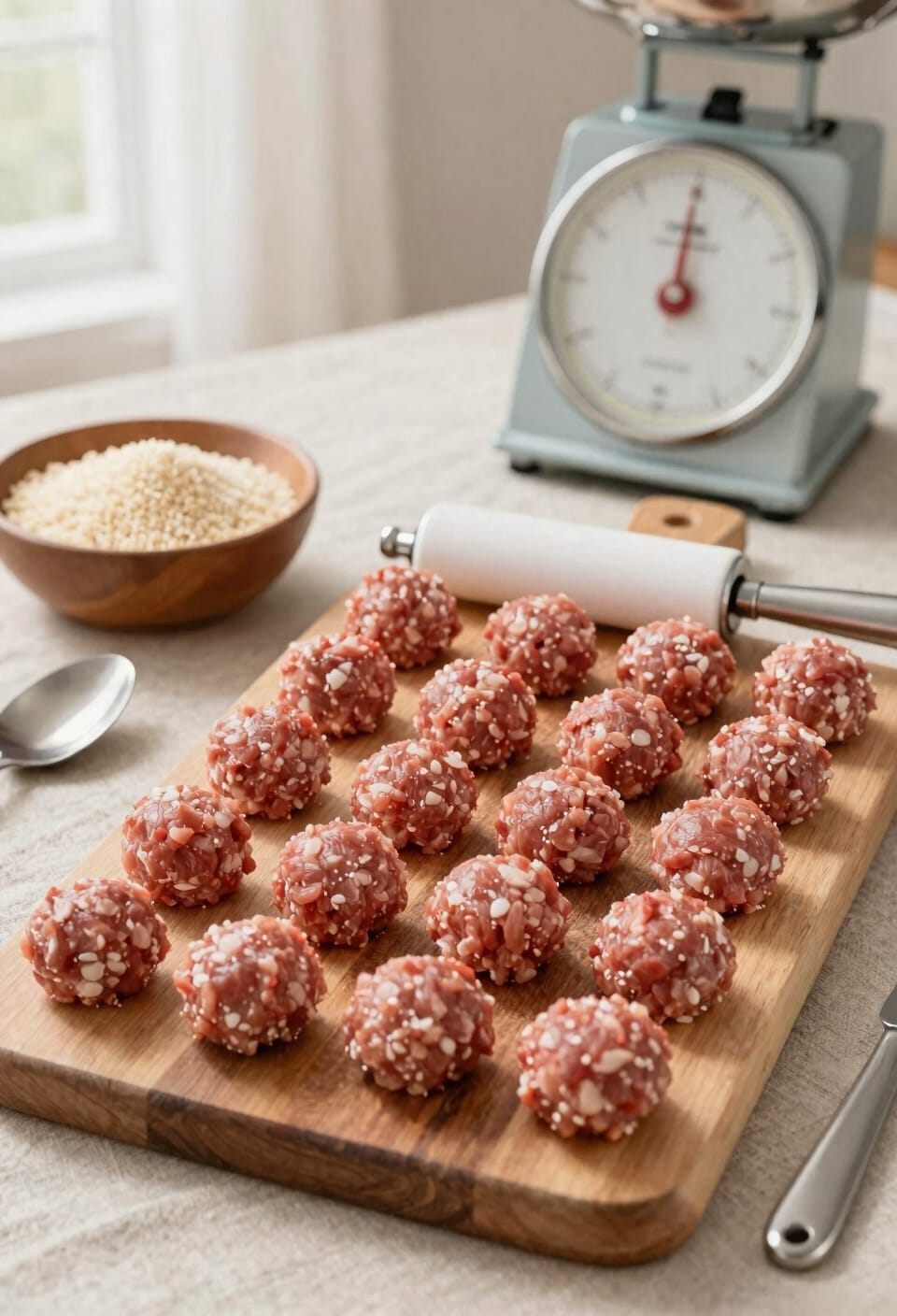
Now here’s where consistency actually matters—uniform meatballs cook evenly, and uneven cooking is basically the enemy of a good dinner. I’m talking about grabbing a cookie dough scoop or ice cream scoop for uniform scooping every single time. This tool’s your secret weapon because it takes the guesswork out of sizing.
Dip your hands in cold water before rolling; chilled handling prevents the meat from sticking to your palms and keeps everything from getting warm and mushy. Golf-ball-sized or 1.5-inch diameter balls are your sweet spot—they’ll cook through properly in that Instant Pot without drying out.
You’ll get somewhere between 12 and 30 meatballs depending on how ambitious you’re feeling. Roll gently, don’t compress them into hockey pucks.
Set Up Your Instant Pot for Success
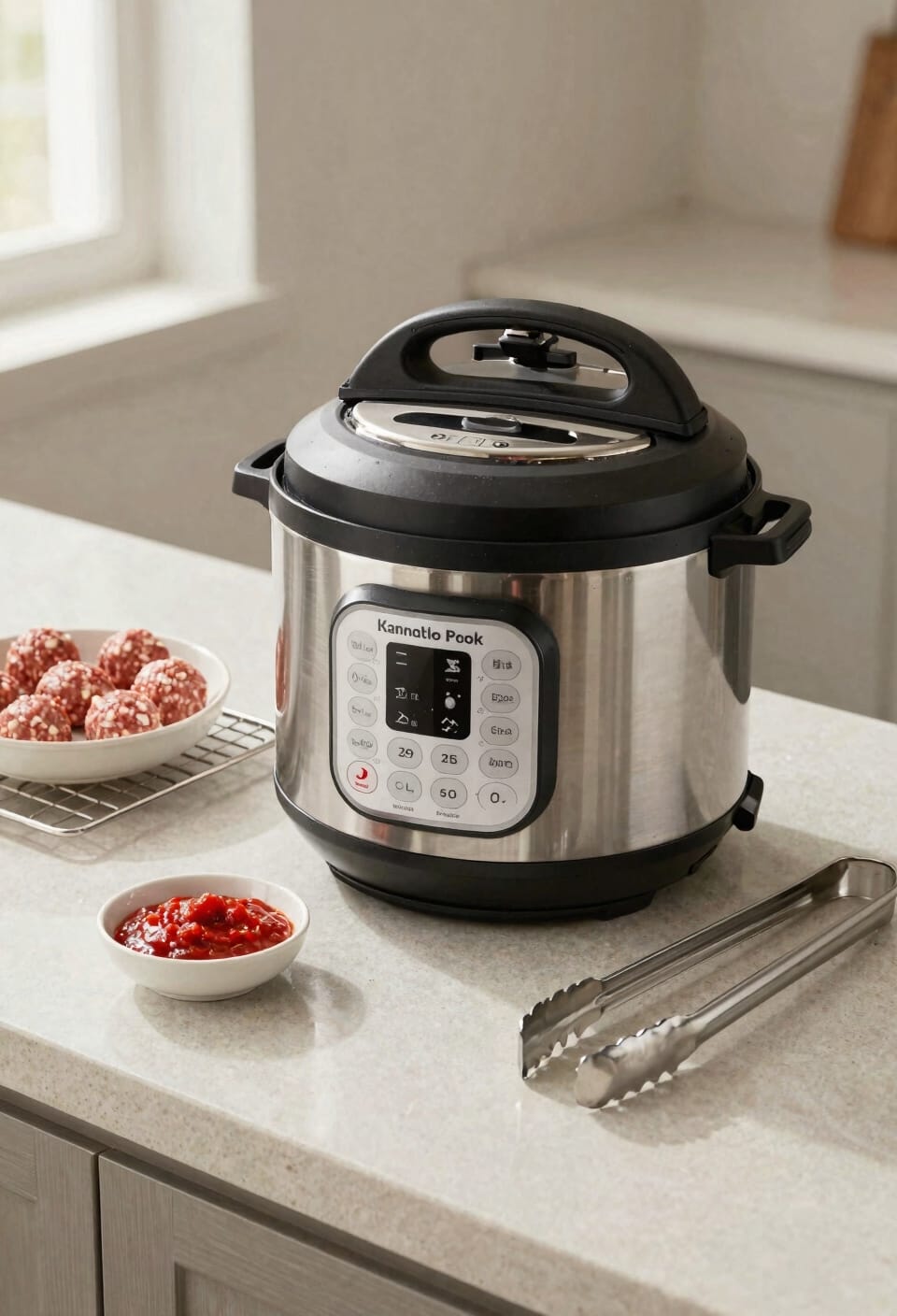
Once your meatballs are rolled and ready to go, it’s time to get your Instant Pot prepped—and I promise this part’s straightforward. First, decide whether you’re cooking with sauce or going the minimal-liquid route. If you’re using sauce, pour it directly into the pot; that’s your cooking liquid. No sauce? Add about half a cup of water and insert a trivet or steamer basket. Now here’s where things matter: make sure your sealing valve’s actually set to sealing position—I’ve definitely forgotten this before and learned that lesson the hard way. You don’t need to preheat the pot itself, which honestly saves time. Load your meatballs in, secure that lid, and you’re ready to pressure cook. That’s it.
Recommended Products

13 Cooking Functions: Pressure cook, air fry, slow cook, steam, sauté, roast, bake, broil, dehydrate, sous vide, make yogurt, proof bread, or simply keep your meal warm— all in one appliance.

APPCONTROL: Everyone can cook like a professional chef with the Klarstein Quickstick Smart Sous Vide Chef. And with the built-in WiFi app controller, it's now even easier to cook healthy and delicious meals in impressive restaurant quality.

10 Cooking Functions: Pressure cook, slow cook, sous vide, sauté, sterilize, cook yogurt and rice, bake, steam, or simply keep warm, all in one easy appliance.
Choose Your Instant Pot Cooking Method and Sauce

Before you hit that pressure cook button, you’ve got to decide two things: whether you’re browning your meatballs first, and what liquid you’re actually cooking them in. I’m a big fan of pressure searing the meatballs in the sauté function before locking the lid—it builds flavor depth that you just can’t get skipping straight to pressure cooking. Then comes sauce infusion: tomato-based sauces work beautifully, whether you’re using marinara, passata, or even stock-based broths. Wine’s optional but honestly worth it if you’ve got some open—sauté it with your onions for a minute first. The sauce does double duty here: it cooks your meatballs and becomes the vehicle for everything tasting genuinely good.
Recommended Products

HOMEMADE FLAVOR IN MINUTES - Enjoy hearty beef meatballs and chicken blended into classic Italian meatballs, simmered in rich tomato sauce for satisfying spaghetti meatballs...
Cook Under Pressure: Check Doneness at 7–9 Minutes

Lock that lid, set the steam valve to sealing, and hit high pressure for 7 minutes—that’s your baseline, and honestly, it’s where I start with most batches. Now, timing variations matter because meatball size swings things around. If you rolled golf balls, seven minutes nails it. But larger meatballs? Bump it to 8 or 9 minutes. The Instant Pot needs about 15 minutes just reaching pressure, so don’t stress watching the clock obsessively.
For texture checks, you’re looking for that internal temp hitting 160°F—use a meat thermometer if you’re neurotic like me. Cut one open if you’re not. You want firm, cooked through, not rubbery. Natural release for 5 minutes first prevents splattering, then quick release the rest. That’s your ticket to perfectly cooked meatballs.
Release Pressure Without Splattering
The pressure release is where a lot of home cooks fumble the landing, honestly—you’ve done all the hard work, and then hot tomato sauce explodes all over your stovetop because you got impatient. Here’s the thing: let your meatballs rest naturally for five minutes first. This lets internal pressure drop gradually instead of violently. Then do a quick release, but here’s my trick—place a splatter guard or kitchen towel over the venting valve before you crack it open. Different venting techniques work depending on your comfort level. Some folks prefer a slow, controlled release by tilting the valve incrementally rather than going full blast. Your stovetop will thank you, and your sauce stays exactly where it belongs: in the pot, not decorating your cabinets.
Why Your Meatballs Are Tough, Dry, or Undercooked (And Quick Fixes)
Since you’ve nailed the pressure cooking part, the real villain in your meatball story is usually what happened *before* the pot sealed shut—and I mean the mixing and shaping phase, which is where most of us accidentally engineer our own disappointment. An overworked mixture develops gluten strands that make meatballs rubbery and dense. Mix gently by hand, stopping as soon everything’s combined. Incorrect binder ratios wreck texture too. Too little breadcrumb and egg means your meatballs crumble apart; too much turns them into sad hockey pucks. Get that balance right. And here’s what really matters: don’t skip the binding liquid. Water or milk keeps everything moist during cooking. A natural pressure release for five minutes also prevents toughness better than aggressive quick release.
Recommended Products

【Versatile】3 tier stackable pans to cook variety of food simultaneously in any pressure cooker or Pot. Great for steaming rice, vegetables, meat, fish or soup. Also It can be used as a dessert pan to make cheesecakes or make lasagna or vegetable steamer. And if you have leftovers, these are perfect for reheating them quickly, without having to use a microwave oven
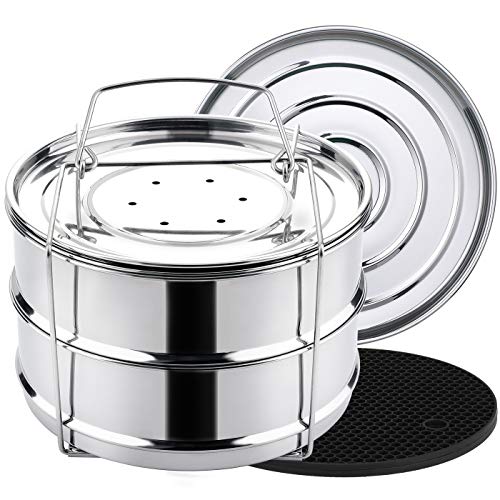

WIDE APPLICATION & SAVE MONEY: This pressure cooker accessories set includes everything you need to cook and bake without costing you a lot of time and money to buy each piece individually, will leave a lasting impression on your cooking and baking for years to come. Works great with instant pot 6 qt 8 qt and other pressure cookers or more.
Finish With Your Perfect Sauce and Serve
Once your meatballs have finished their pressure-cooking journey and you’ve let them rest through that essential natural release, you’re standing at the finish line—and here’s where you can either coast or actually stick the landing. Now, I’m a firm believer that your sauce matters as much as the meatballs themselves. You’ve got options: tomato-based, cream, or even something bold like a wine reduction. Consider your plating variations—nestled over pasta, served family-style in a shallow bowl, or stacked high on crusty bread. Think about beverage pairings too. A medium-bodied red complements marinara beautifully, while cream sauces welcome something crisp and white. Transfer your meatballs carefully, coat them generously, and taste before serving. That’s it. You’ve earned this.
Recommended Products

[Complete 7-Piece Set for Versatile Cooking] - Hisencn's 8-piece enameled cast iron cookware set includes 4.7-quart large casserole with lid, 3.5-quart large dutch pot with lid, 2.8-quart small dutch pot with lid, 10-inches skillet, 8-inches frying pan. Excellent cookware gift choice for sauteing, grilling, slow cooking, braising, braising, boiling, frying, roasting, grilling and baking! Comes with pan organizer rack and lid holder rack for easy storage.


ORIGINAL FAMILY RECIPE: Since our grandma Filomena's original creation of the sauce in 1918, Dell’Amore continues to produce exceptional sauces made with only the finest quality and freshest ingredients, and remain dedicated to the careful crafting and meticulous attention to detail that goes into every delicious tasting bottle
Frequently Asked Questions
Can I Cook Frozen Meatballs in an Instant Pot, and Do I Need to Adjust Cooking Time?
Yes, I can cook frozen meatballs in an Instant Pot. I’d recommend adding 2-3 minutes to the standard 7-minute cooking time to account for the frozen texture and assure proper timing adjustments for thorough cooking.
How Do I Prevent Meatballs From Sticking to the Trivet or Steamer Basket?
I’ll spray your trivet with nonstick spray or line it with parchment inserts—both methods work brilliantly. You can also arrange meatballs in sauce, which prevents sticking while cooking them perfectly.
What’s the Best Way to Reheat Leftover Instant Pot Meatballs Without Drying Them Out?
I’d reheat your leftover meatballs gently using the steam method or oven braise technique. Keep them submerged in sauce retention to prevent drying. Low heat and moisture are your best friends for perfectly tender meatballs.
Can I Cook Meatballs Without Any Sauce or Liquid in the Instant Pot?
I wouldn’t recommend cooking meatballs with no liquid in your Instant Pot. You’ll need at least 1/2 cup water with a trivet, or you could dry sear them first, then air fry them for better results.
How Do I Know if My Meatballs Are Fully Cooked Through Without Cutting Them Open?
I’d check your meatballs’ internal temperature with a meat thermometer—they’re done at 160°F. You can also look for visual cues like a firm exterior and no pink inside when you gently press one.
Conclusion
Look, I’ve made plenty of rubbery meatballs before I figured this out—the Instant Pot actually prevents that disaster instead of causing it. You get tender, juicy results in minutes where stovetop cooking takes forever and burns the outside. The pressure does the heavy lifting, but you’ve got to respect the timing and sauce. Master this method once, and you’ll never go back to the old way.