As an Amazon Associate, we earn from qualifying purchases. Some links on this site are affiliate links at no extra cost to you. Our recommendations are based on thorough research and editorial judgment.

Instant Pot Not Pressurizing: Common Causes and Fixes

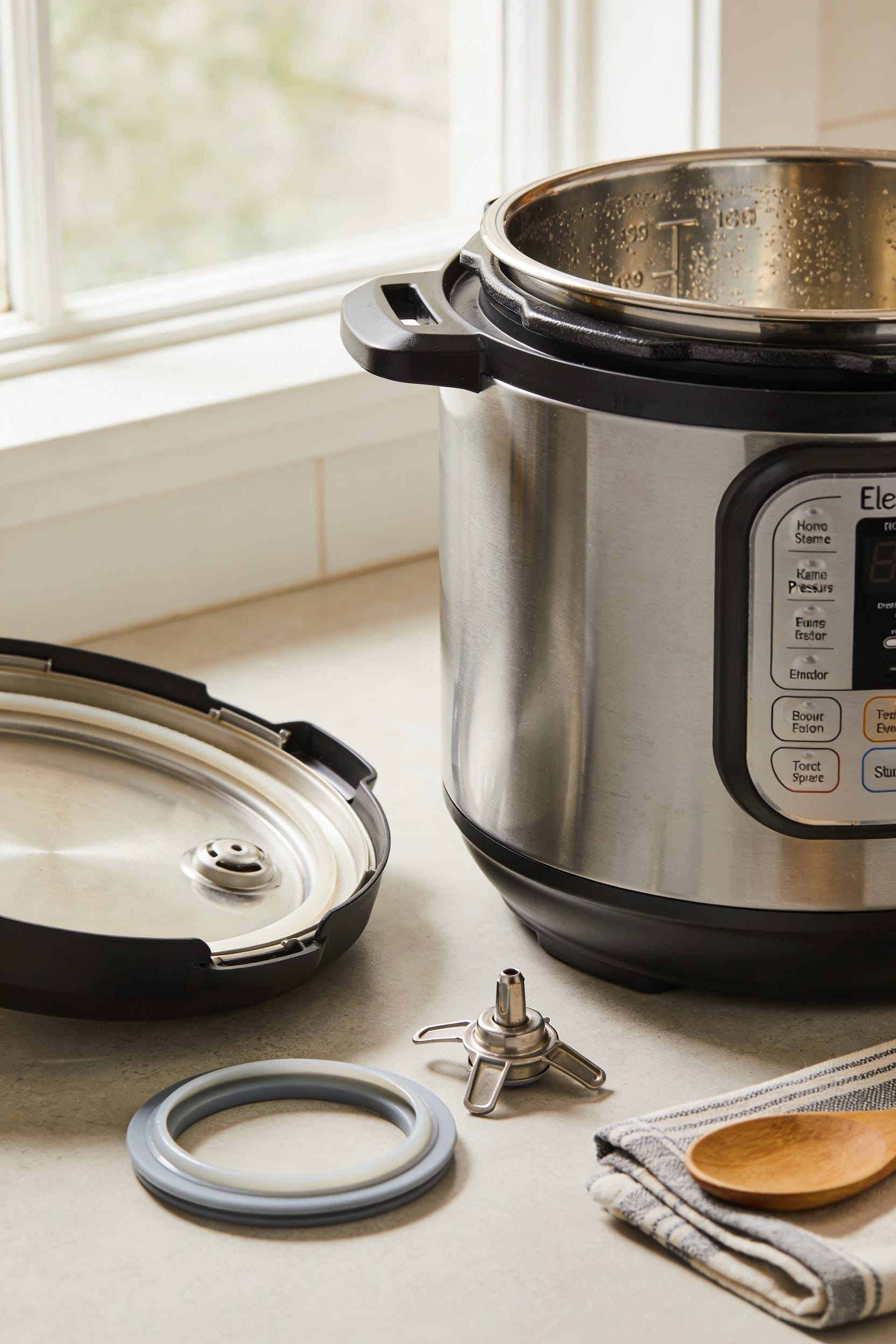
All right, here’s the thing—your Instant Pot won’t pressurize because you’ve likely overlooked something stupidly simple. Check that vent knob first; it’s gotta be sealed, not venting. Then make sure you’ve got enough liquid (we’re talking at least half a cup), your sealing ring isn’t cracked or gunked up, and that float valve moves freely. Overfilling past the max line also tanks pressure. If you’ve nailed all that, inspect your lid for warping and the steam release valve for proper closure—each issue’s got a straightforward fix worth exploring.
Key Takeaways
- Check that the vent knob is set to sealing position and the steam release valve clicks tightly closed.
- Ensure the sealing ring is clean, undamaged, and properly seated in the lid groove.
- Add at least half to one cup of thin liquid like water or broth to generate steam.
- Verify the float valve moves freely and pops up; clean debris or stuck particles with soapy water.
- Inspect the lid for dents, warping, or misalignment that prevents proper sealing with the pot.
Start Here: Vent Knob and Pressurization Failure
Look, if your Instant Pot isn’t pressurizing, I’d put money on the vent knob being the culprit—it’s the most common reason I see people wrestling with their pot, and honestly, I’ve been there myself. Before you panic, check your lid alignment and that vent valve position. The knob needs to be switched to sealing, not venting. I know it sounds obvious, but steam’s gotta stay trapped inside to build pressure, and if that knob’s pointing toward venting, you’re just letting everything escape.
Catch this early and you’ll fix it in seconds—just twist the knob. If you’ve already started the cycle, cancel it and check your liquid levels while you’re at it. Sometimes multiple things go sideways at once.
Add Liquid to Prevent Pressurization Blocks
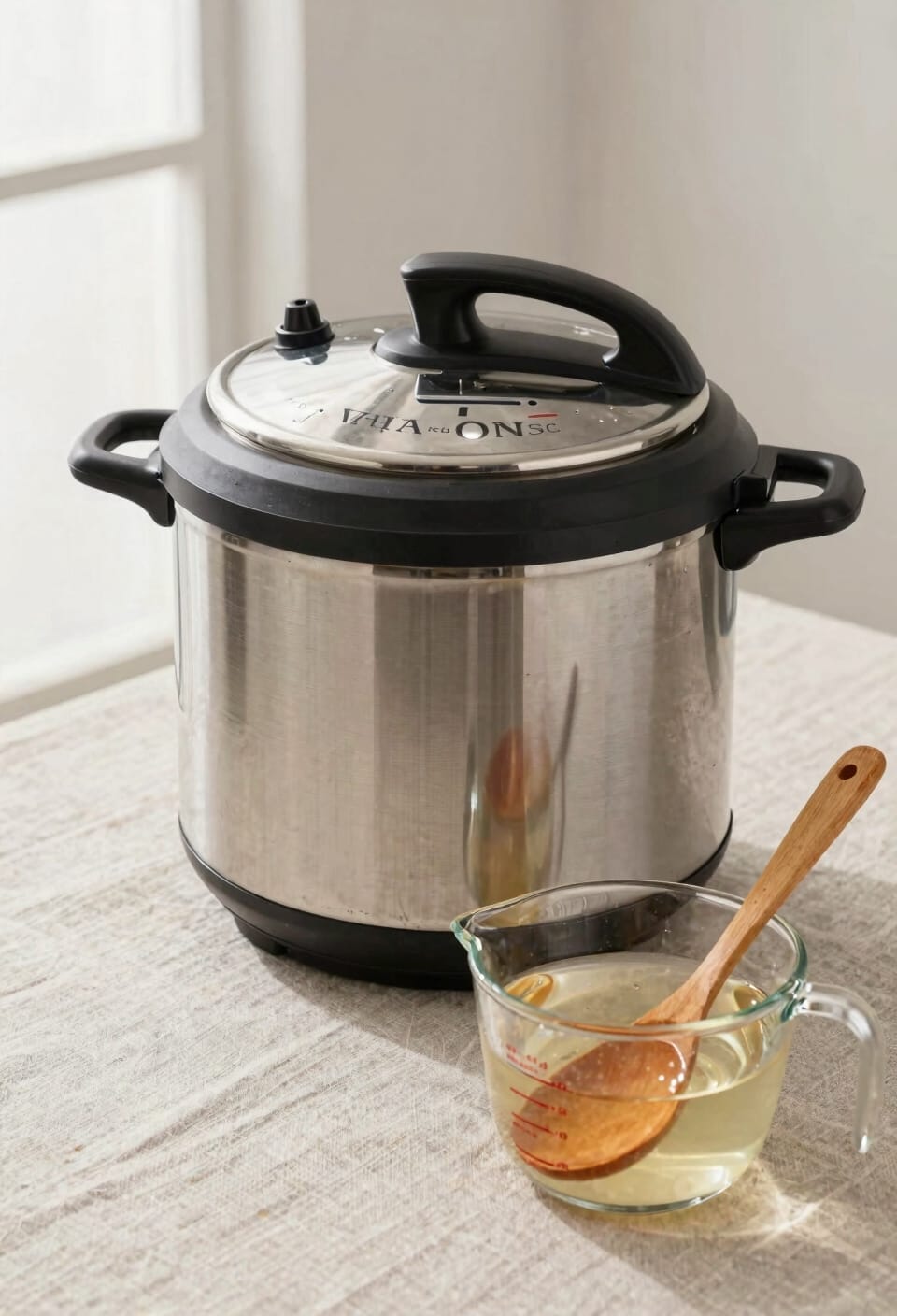
Once you’ve confirmed that vent knob is in the sealing position, the next thing to check is whether you’ve actually got enough liquid in there to generate steam—and I mean real liquid, not just whatever moisture your ingredients are sweating out.
You need at least half to one cup of something thin like water or broth. Here’s the thing: thick sauces and dense ingredients absorb liquid like a sponge, which kills your steam circulation. When you add liquids, pour without stirring to prevent clumping, which’ll mess up even heating anyway.
Skip the liquid and you’ll get scorching on the pot bottom. Your Instant Pot’ll notice and shut down with a burn notice. So don’t skimp—fill it properly and let the pressure build.
Recommended Products

Cooking pots: with the stainless steel pots in 16 cm, 20 cm and 24 cm, you have the ideal pot for every dish. An integrated litre scale allows easy measuring of liquids and saves the additional measuring cup.

Integrated scale automatically senses the amount of grains, rice or beans you've added in order to calculate the ideal water-to-grain ratio for what you're cooking

Unlock versatility with our 3-in-1 coffee and tea maker to relish your coffeehouse favorites, whether hot, iced, or as delightful frozen treats, all from a single, multifunctional machine
The Sealing Ring: Clean and Inspect for Cracks
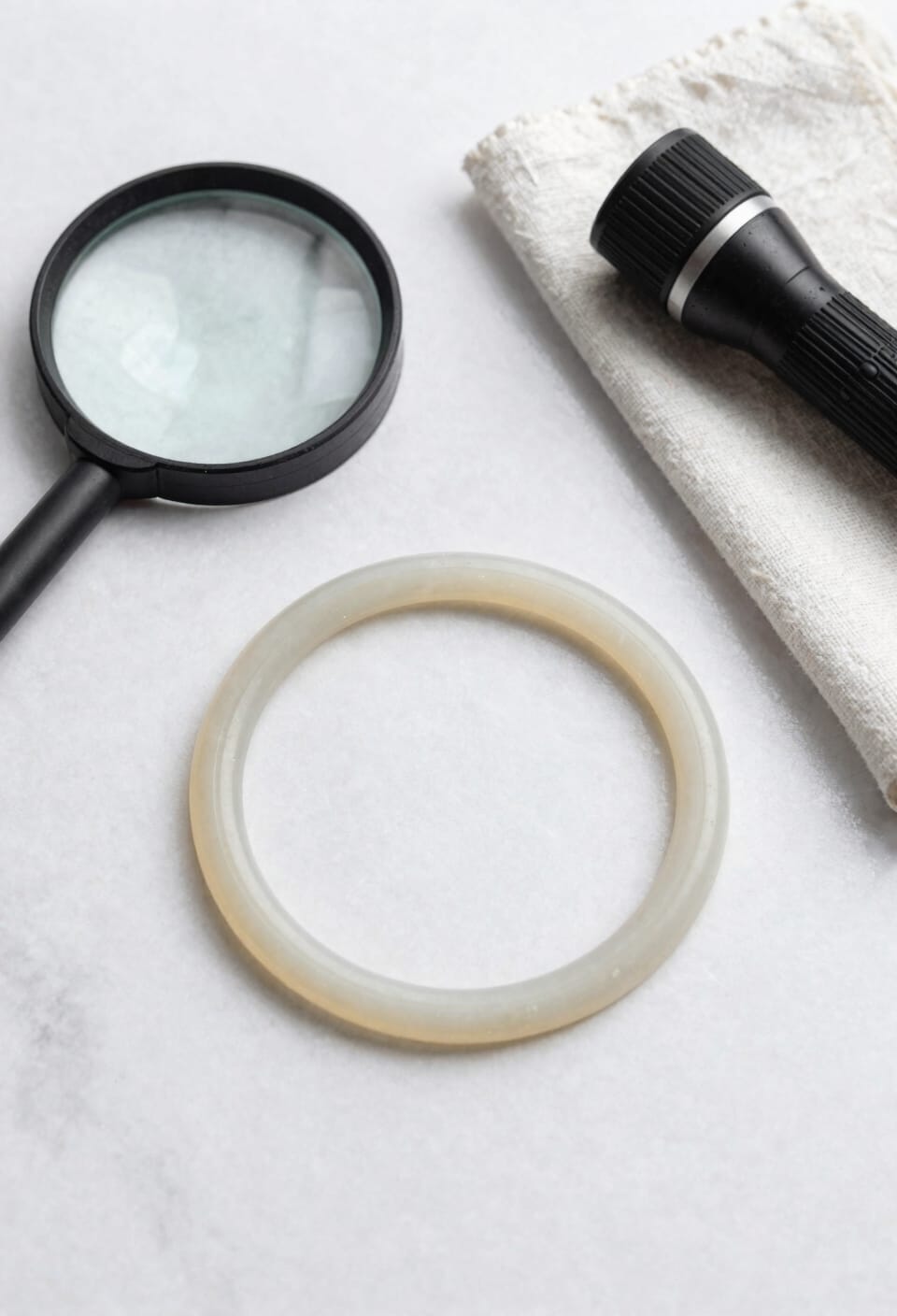
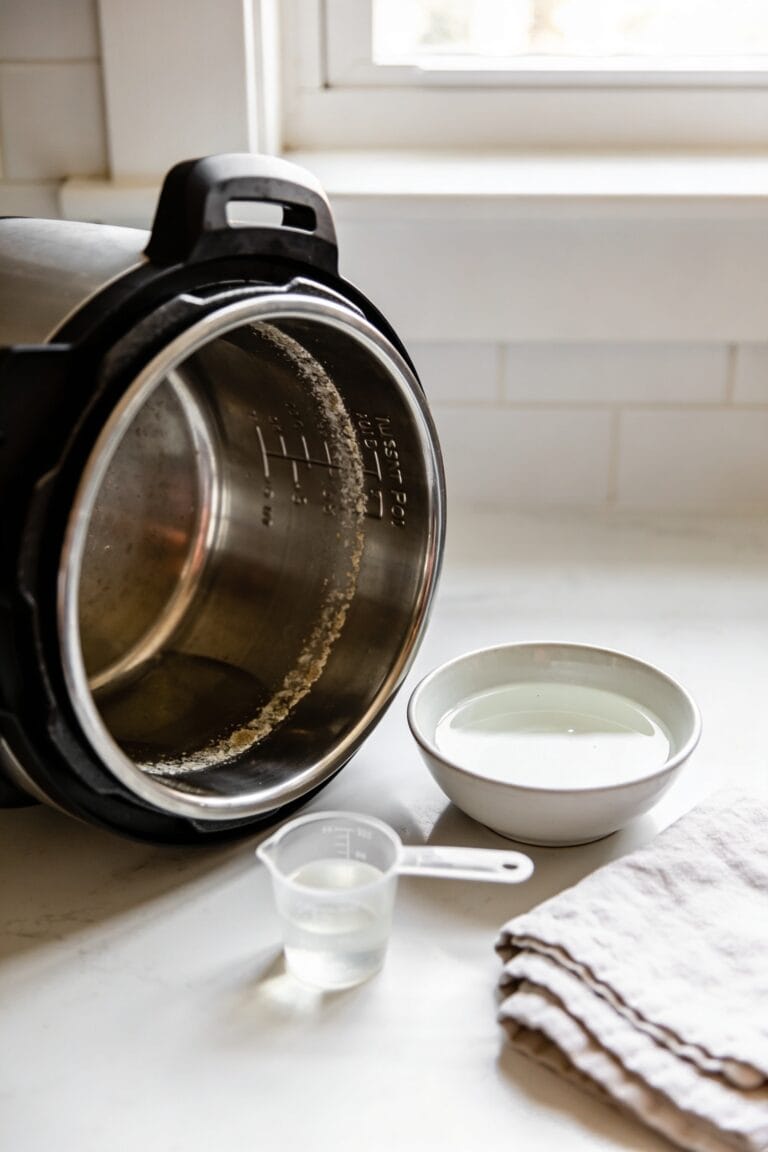
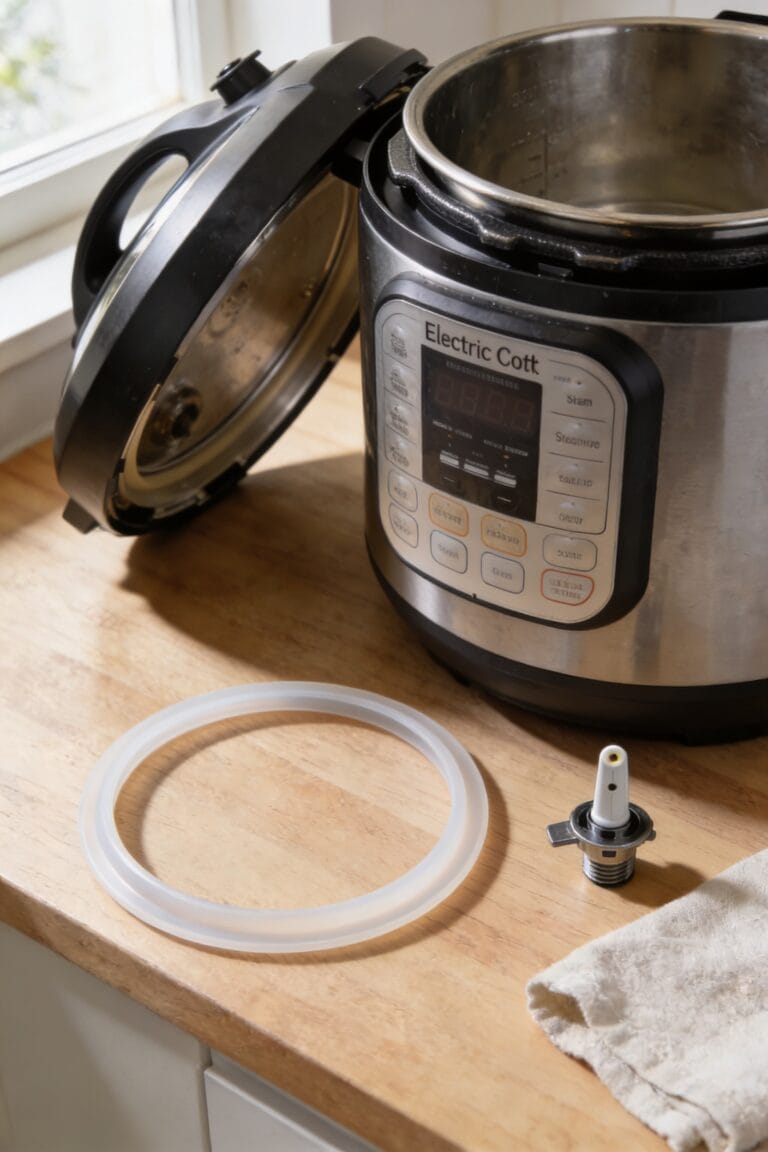
Now that you’ve got your liquid situation sorted, we need to talk about the sealing ring—that rubber gasket that lives around the underside of your lid and does the actual work of keeping steam locked inside where it belongs. Here’s the thing: a dirty ring with food buildup won’t seal properly, and you’re dead in the water pressurization-wise. I’d pull it off and give it a thorough clean under running water, checking for cracks or debris while you’re at it. Material choices matter too—silicone rings last longer than some alternatives, but they expand with repeated use. If yours feels stretched, try freezing the lid for five to ten minutes before reassembling. A properly seated ring makes all the difference between cooking and frustration.
Recommended Products

360° Adjustable Water Circulation System: The golden ring-shaped water outlet creates a panoramic waterfall that envelops the entire scalp. Its ergonomic bracket adjusts vertically and horizontally to comfortably fit head circumferences from 52 to 65cm, expanding 3.5 inches wide to accommodate 95% of clients. The water flow can be easily adjusted for a deep, tension-relieving cleansing experience.

10 Cooking Functions: Pressure cook, slow cook, sous vide, sauté, sterilize, cook yogurt and rice, bake, steam, or simply keep warm, all in one easy appliance.
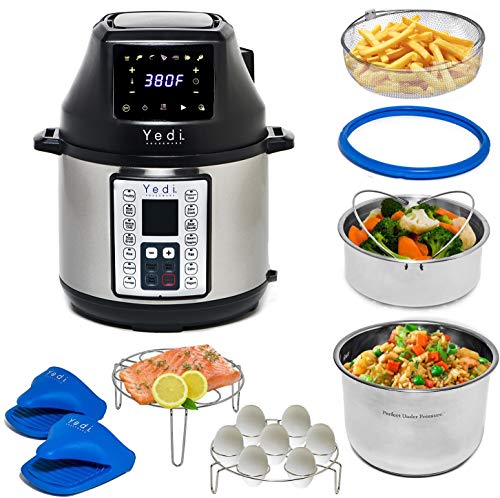
WINNING COMBO: Yedi Houseware’s famed award-winning pressure cooker is the first and only electric pressure cooker ever to be selected to Oprah’s Favorite Things List. The Yedi Air Fryer has been selected by Business Insider as the Best Overall Air Fryer 3 years in-a-row and counting. By combining Yedi’s two specialties together, the Yedi “Tango” 2-in-1 Air Fryer/Pressure Cooker compounds versatility and excellence.
Clean the Float Valve to Restore Pressure
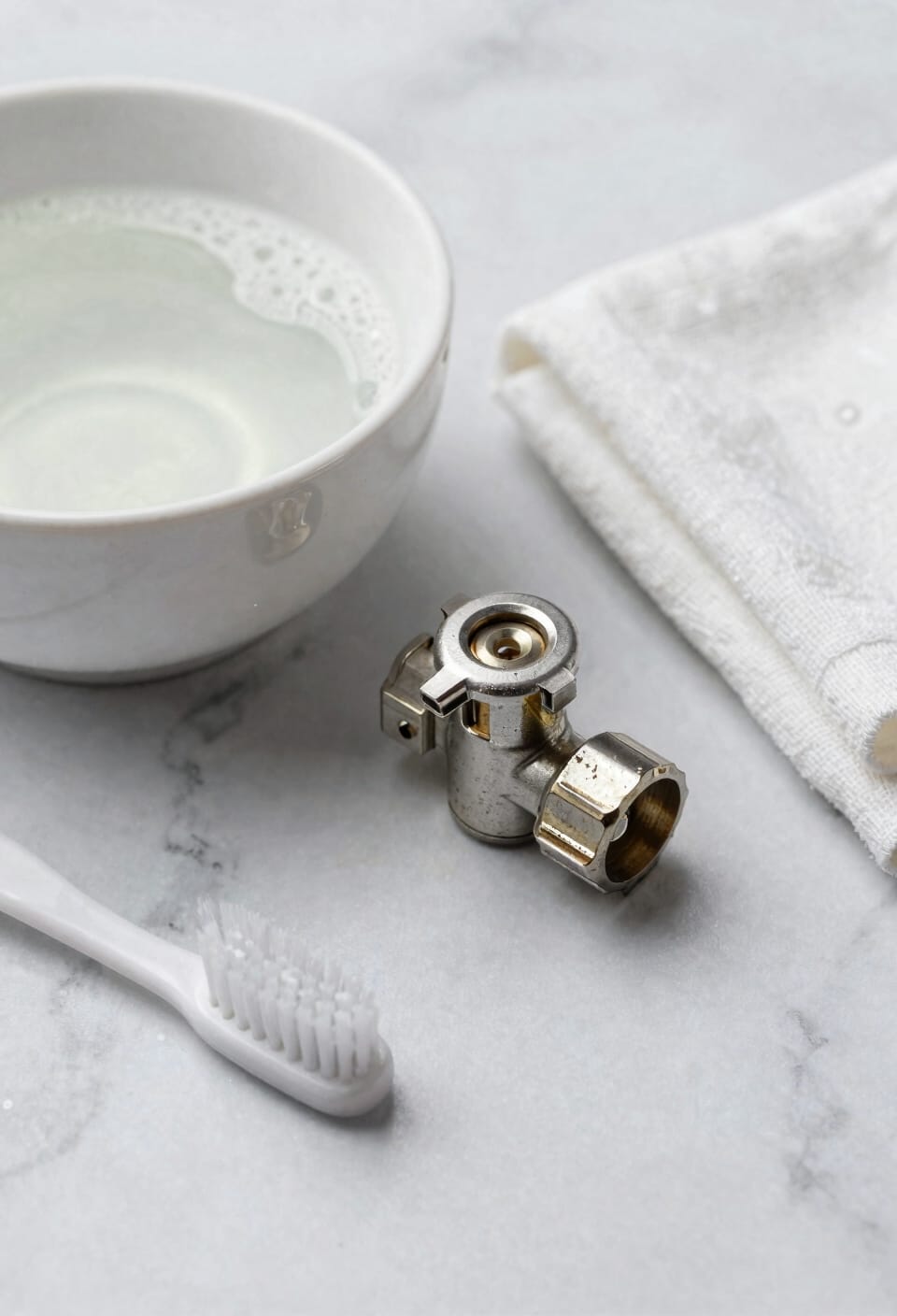
While you’ve been troubleshooting the sealing ring, there’s another culprit that might be silently sabotaging your pressure—the float valve, that little plunger sitting on top of your lid that’s supposed to pop up and tell you “hey, we’ve got pressure now.” If it’s clogged with debris or dried food buildup, it gets stuck, and a stuck float valve means the pot can’t build pressure because the valve never rises to seal things off properly.
Here’s the thing: float maintenance is straightforward. Remove the lid and gently clean the float valve with warm soapy water, working out any stuck particles. Check that it moves freely up and down. Some folks swear by light valve lubrication with food-grade silicone, which helps it glide smoothly during preheat. A responsive float valve transforms your pressurization problems instantly.
Recommended Products

Premium Synthetic Grease Solution: Super Lube Multi-Purpose Grease is a heavy-duty, multi-purpose grease for bearings, valves, pumps, and chains, and a machinery lubricant or motor grease in both industrial and home settings

Provides an exceptional lubricant for fasteners used to support temporary electrical work

Sale Unit: CASE (EACH x 12) (EACH x 12)
Overfilling Prevents Pressurization: Know Your Limits
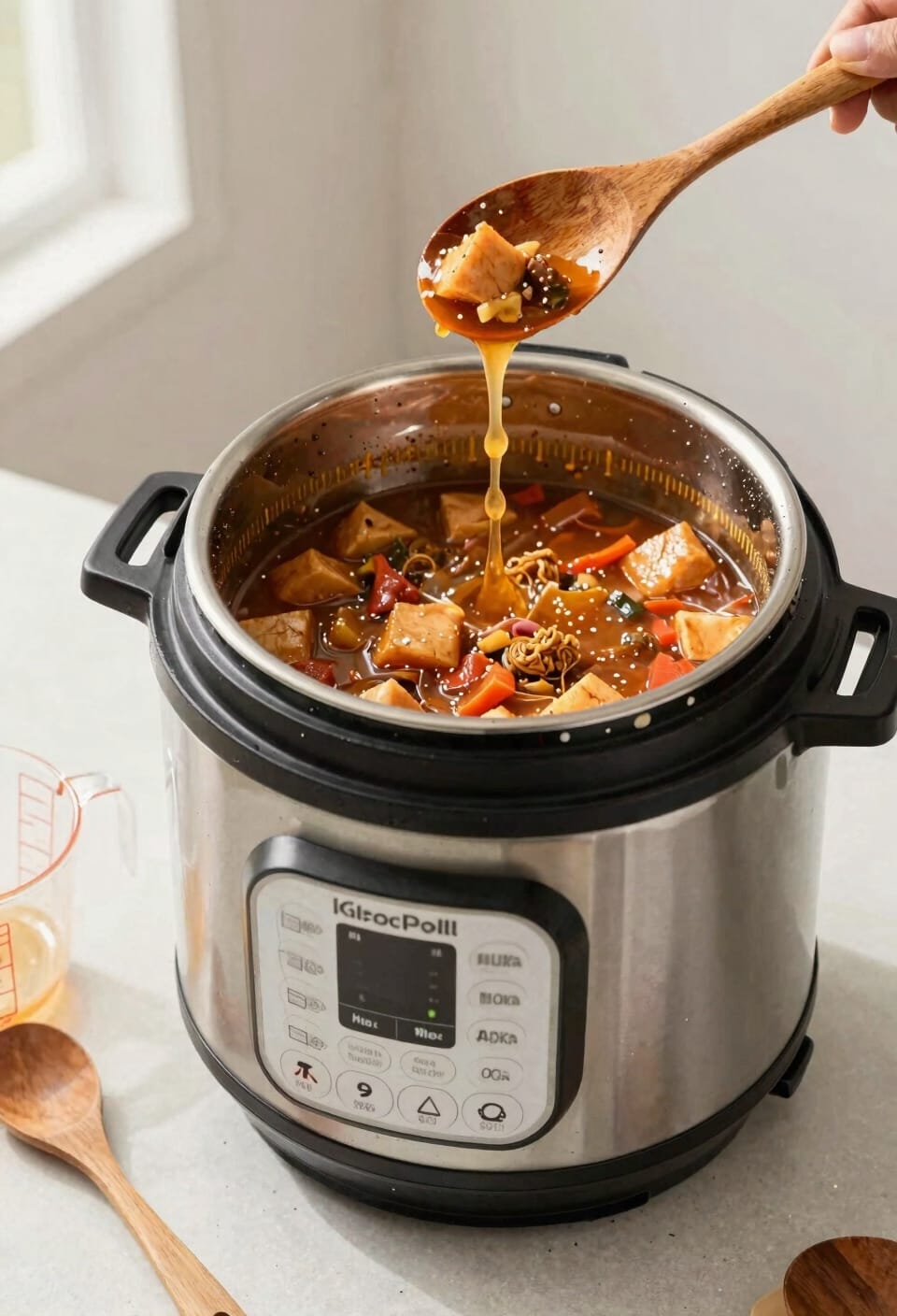
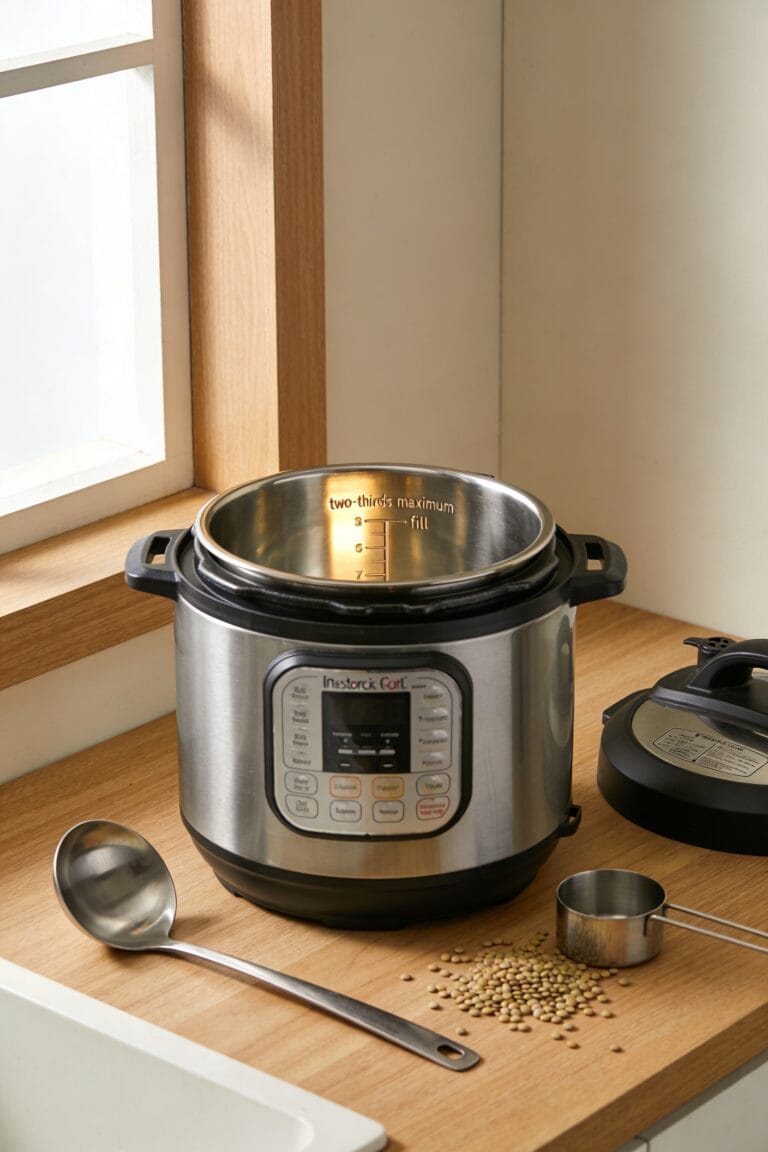
If you’ve checked your vent knob, cleaned your float valve, and topped up your liquid but your Instant Pot still won’t pressurize, I’d bet money you’re cramming too much food in there—and I say that as someone who’s definitely done this more than once. Your capacity limits matter. The pot needs headspace guidelines respected: fill only to the max line, leaving room for steam to actually circulate. When you overfill, steam can’t build pressure properly, and you’re looking at extended heating times or outright failure. Worse, you risk food getting ejected when that pressure finally releases. Thin liquids especially take forever when you’ve packed things in too tightly. Trust me, leaving some breathing room prevents kitchen disasters and gets you eating faster.
Recommended Products
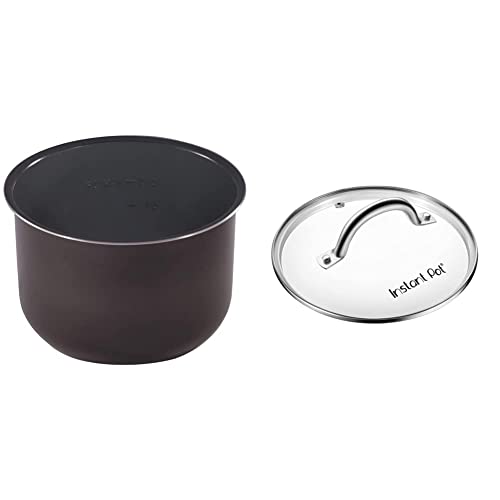
Instant Pot electric pressure cooker 6 qt ceramic non stick interior coating, plastic PTFE and PFOA free

Compatible with the 6Qt Pro 60/Pro plus/Pro max/Duo Evo Plus 60

Instant Pot electric pressure cooker 6 qt ceramic non stick interior coating, plastic PTFE and PFOA free
Damage to Lid or Pot Stops Pressurization
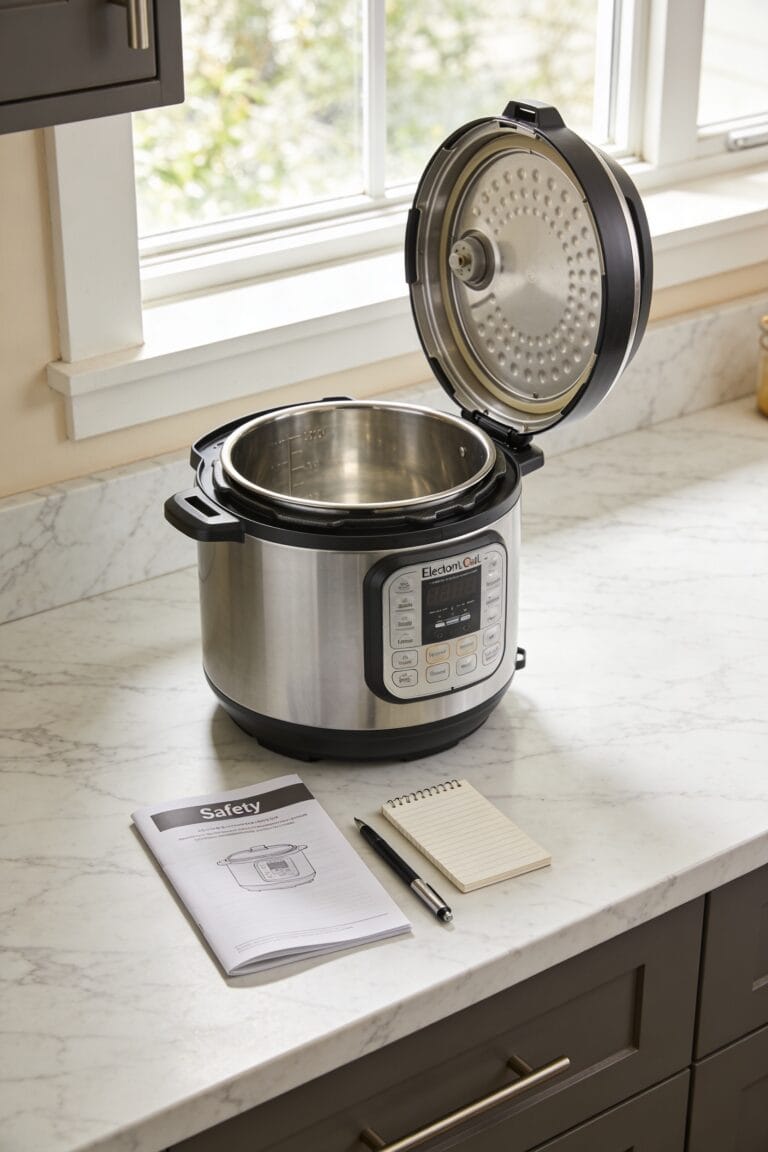
Here’s the thing—sometimes your Instant Pot’s pressurization problems aren’t about settings or maintenance at all, they’re about physical damage you might not even realize is there. If you’ve dropped your pot or lid, even from waist height, you’ve potentially compromised everything. A dented rim prevents the lid from sealing properly, and a warped housing means steam’s finding escape routes you can’t see. Moisture inside the outer pot? That’ll wreck your electronics faster than you’d think. Check your lid’s alignment carefully—does it sit flush? Look for any visible dents or warping on the inner pot. If you’ve borrowed a pot from someone, inspect it thoroughly before cooking. Sometimes replacement parts are cheaper than the frustration of persistent failure.
Make Sure the Steam Release Valve Closes Tight
One of the sneakier culprits I see people overlook is a steam release valve that doesn’t close all the way—and honestly, I get it, because the valve’s tucked up there on top of the lid where you’re not exactly staring at it every time you cook. Here’s the thing: if that valve isn’t sealing tight, steam escapes before pressure builds up inside your pot. Check the valve alignment carefully—sometimes it shifts slightly during use or cleaning. Make sure it clicks into the sealed position with a satisfying snap. Also inspect the steam gasket around the valve for debris or damage that’d prevent a proper seal. A sticky or misaligned valve is an easy fix that solves a ton of pressurization headaches.
When to Cancel and Start the Troubleshooting Over
After you’ve checked that steam release valve and made sure everything looks tight and properly aligned, you might still find yourself staring at your Instant Pot waiting for the little float valve to pop up—and nothing happens. Here’s the thing: if you’ve been troubleshooting for more than a few minutes without progress, I’d recommend early cancellation. Hit that cancel button and give yourself a fresh start. This safety check matters because you want to inspect your pot with a clear head, not while steam’s hissing everywhere. Let everything cool completely, then systematically go through each issue—vent knob position, liquid levels, sealing ring condition, float valve cleanliness. Starting over beats spinning your wheels, trust me.
When to Replace the Sealing Ring or Lid
When you’ve cleaned your sealing ring thoroughly and it still won’t hold pressure, or when you notice cracks spreading across the silicone like fault lines on a map, that’s your signal that replacement is coming whether you like it or not. The ring lifespan typically runs three to five years depending on how often you cook, but aggressive use or extreme temperature swings can shorten that window. Replacement cost is surprisingly reasonable—usually fifteen to thirty dollars for a genuine ring. I’d grab one from the manufacturer rather than going cheap with knockoffs; they’re worth the investment. A new lid might run you fifty bucks or so, though you’ll only need that if you’ve got alignment problems or visible warping. Don’t ignore these signs.
Recommended Products


2 RINGS: 2 rings are included - Integral part of the instant pot safety mechanisms; These authentic instant pot sealing rings are designed, engineered, and built with the optimal material to achieve the highest safety standards

Instantpot replacement parts: 2 × instantpot sealing ring, 1 × instantpot steam release valve, 1 × float valve, 3 × float valve gasket, 1 × anti-block shield, 1 x anti-blocking shroud bracket, 2 x valve sealing ring.
Frequently Asked Questions
How Long Does It Typically Take for an Instant Pot to Pressurize Normally?
I’d say your Instant Pot typically takes 5-15 minutes to pressurize, though the preheat variability depends on liquid volume, temperature, and what you’re cooking. More liquid generally extends your typical timespan.
Can I Use the Instant Pot Without a Sealing Ring Temporarily?
I wouldn’t recommend this temporary workaround. Without a sealing ring, you’ll face serious safety risks—your Instant Pot can’t pressurize properly, potentially causing burns or malfunction. Replace it first for safe operation.
What Type of Liquid Works Best for Generating Steam Pressure?
I’d recommend thin liquids like water or broth—they’re your best bet for generating steam pressure. Avoid heavy oils or butter, as they don’t circulate properly and won’t create the pressure you need for cooking.
How Often Should I Clean or Replace the Sealing Ring?
Like a worn-out seal on yesterday’s jar, I’d recommend you replace annually or when you notice odor removal isn’t working. Clean it thoroughly after each use to extend its lifespan and maintain that indispensable airtight pressure.
Does Cooking Frozen Food Affect the Pot’s Pressurization Time?
Yes, cooking frozen food definitely affects pressurization time. I’ve found that ice crystals and frozen volume require extra time for the pot to reach pressure since it’s heating thawed liquid first.
Conclusion
Look, your Instant Pot’s pressurization issues usually come down to a handful of fixable problems—think of troubleshooting like peeling an onion, where each layer gets you closer to what’s actually wrong. Start with the vent knob and sealing ring, check your liquid levels, and inspect for damage. Most times you’ll nail it without replacing anything. When you do, you’ll wonder why you didn’t troubleshoot sooner.