As an Amazon Associate, we earn from qualifying purchases. Some links on this site are affiliate links at no extra cost to you. Our recommendations are based on thorough research and editorial judgment.

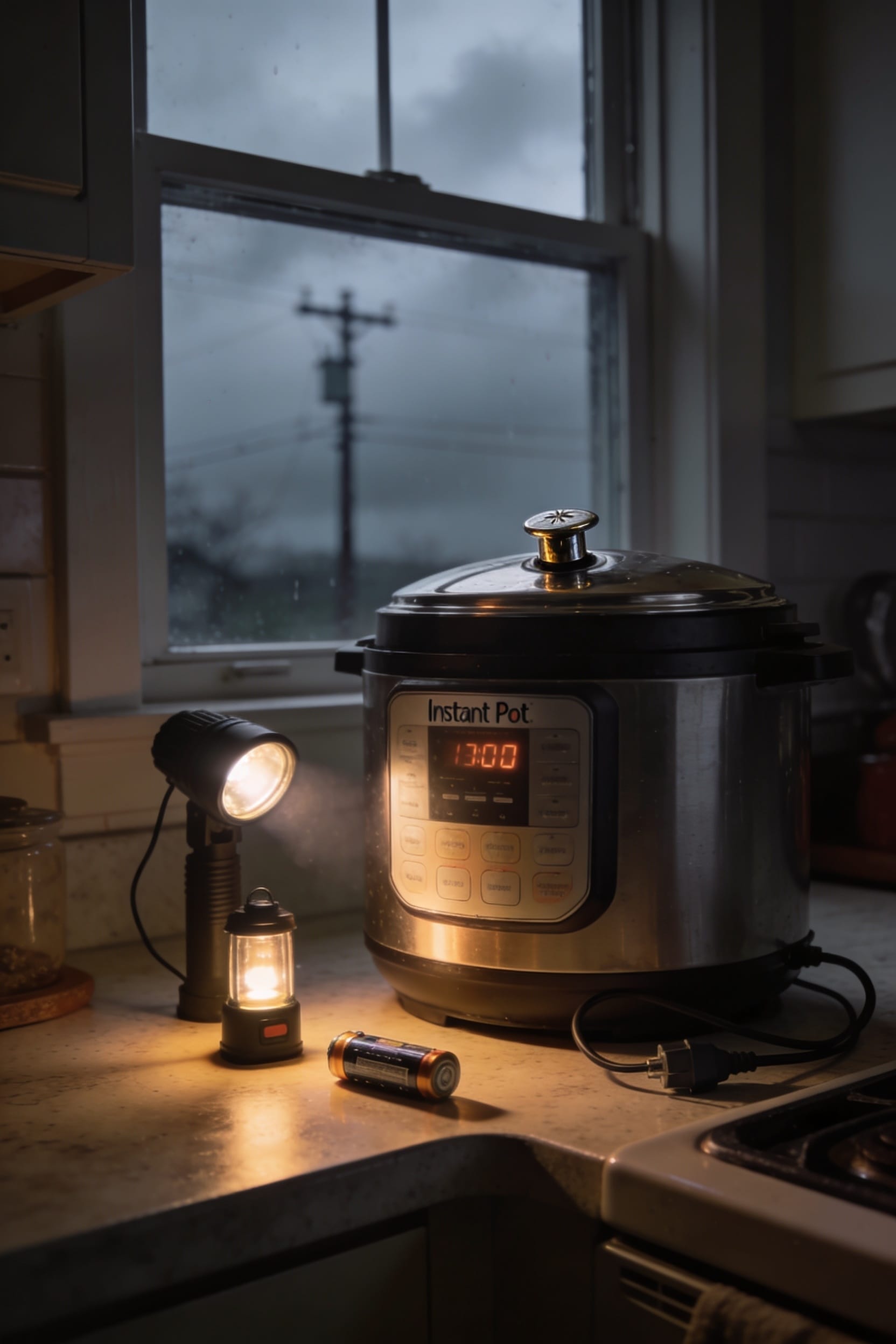
What Happens if Power Goes Out While Using an Instant Pot?

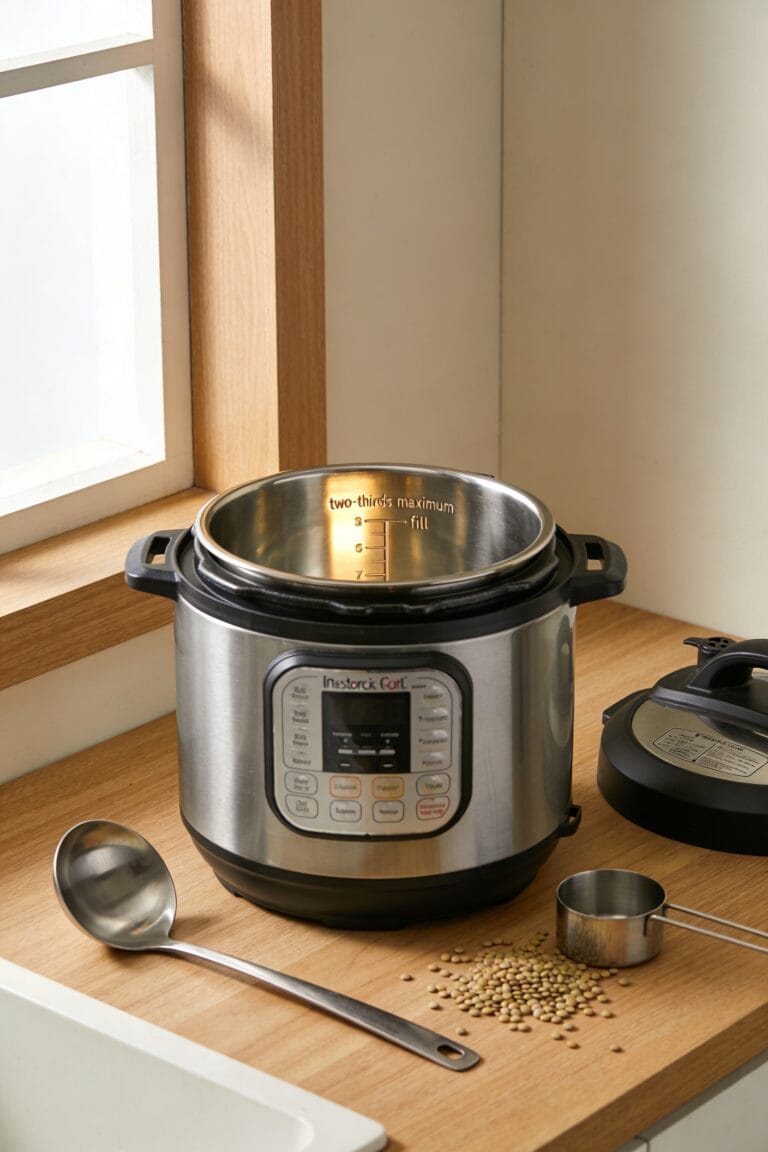
Look, when your power dies mid-cook, your Instant Pot stops being smart and becomes a fancy insulated box—heating stops, pressure management shuts down, and that steam stays trapped inside. If you were building pressure, it halts immediately; if you were at full pressure, you’ve got a scalding hazard waiting when you open the lid. Your food enters the danger zone fast, and you’ve got roughly two hours before bacterial growth makes it unsafe. The good news? There’s a safe way to depressurize and some backup options that’ll keep you cooking through the outage.
Key Takeaways
- The Instant Pot stops functioning as a pressure cooker and becomes an insulated box without active heating or pressure control.
- Trapped steam and pressure remain inside; wait 10-15 minutes before opening the lid to avoid scalding hazards.
- Food enters the bacterial danger zone (40°F-140°F) immediately; discard any food left longer than two hours at room temperature.
- Pressure increase halts if the unit was still building pressure when power cuts; no additional pressurization occurs.
- Battery generators or stovetop cooking provide backup options to prevent mid-cook disruptions during power outages.
What Happens When Your Instant Pot Loses Power
When the lights go out mid-cook, your Instant Pot doesn’t panic—it just quietly surrenders its superpowers. Here’s the thing: the moment power cuts, your appliance stops being a pressure cooker and becomes an insulated box. That “Keep Warm” function you rely on? Gone. The pressure control system shuts down completely, and without electrical power, there’s no automatic shutdown to manage temperature—it just sits there.
Now, what actually happens depends on where you were in the cooking cycle. If you’d reached full pressure, you’ve got trapped steam inside. If you’re still building pressure, well, that process simply stops. Your food won’t explode or anything dramatic, but it’ll gradually cool to room temperature, creating an ideal breeding ground for bacterial growth. That’s your real concern here, not the appliance itself.
Can I Eat Food Left in My Instant Pot After an Outage?
How long your food actually sits in that pot matters way more than you’d think—and I’m not just talking about the time on the clock. Once your Instant Pot loses power, rapid cooling begins immediately, and that’s when food safety becomes your real concern. You’ve got a two-hour window maximum before bacterial growth kicks into overdrive in that danger zone between 40°F and 140°F. Here’s the thing: a lukewarm pot is basically a bacterial invitation. For your leftover assessment, check the temperature monitoring situation honestly—if it’s been sitting more than two hours at room temperature, toss it. I know that hurts, but foodborne illness hurts worse. Your consume timeframe is simple: when in doubt, throw it out.
Recommended Products

Probes can be easily replaced at your location without a need to re-calibrate

MAKE ADJUSTMENTS ON-THE-FLY – Want hotter temperature or need to cook it longer? No problem. Simply adjust on-the-fly any time. No need to start over. Pro Chef’s intuitive digital controls are easy to operate, and the response is immediate.

LINEAR T TECHNOLOGY WITH DIGITAL SWITCH - Experience cooking at its best with advanced Patented Linear T Technology. It ensures accurate temperature control by making constant adjustments, and say goodbye to burnt or undercooked meals. Nuwave Improved technology with a digital switch for precise and effortless temperature control.
Pressure Release Dangers: Safe Depressurization Steps
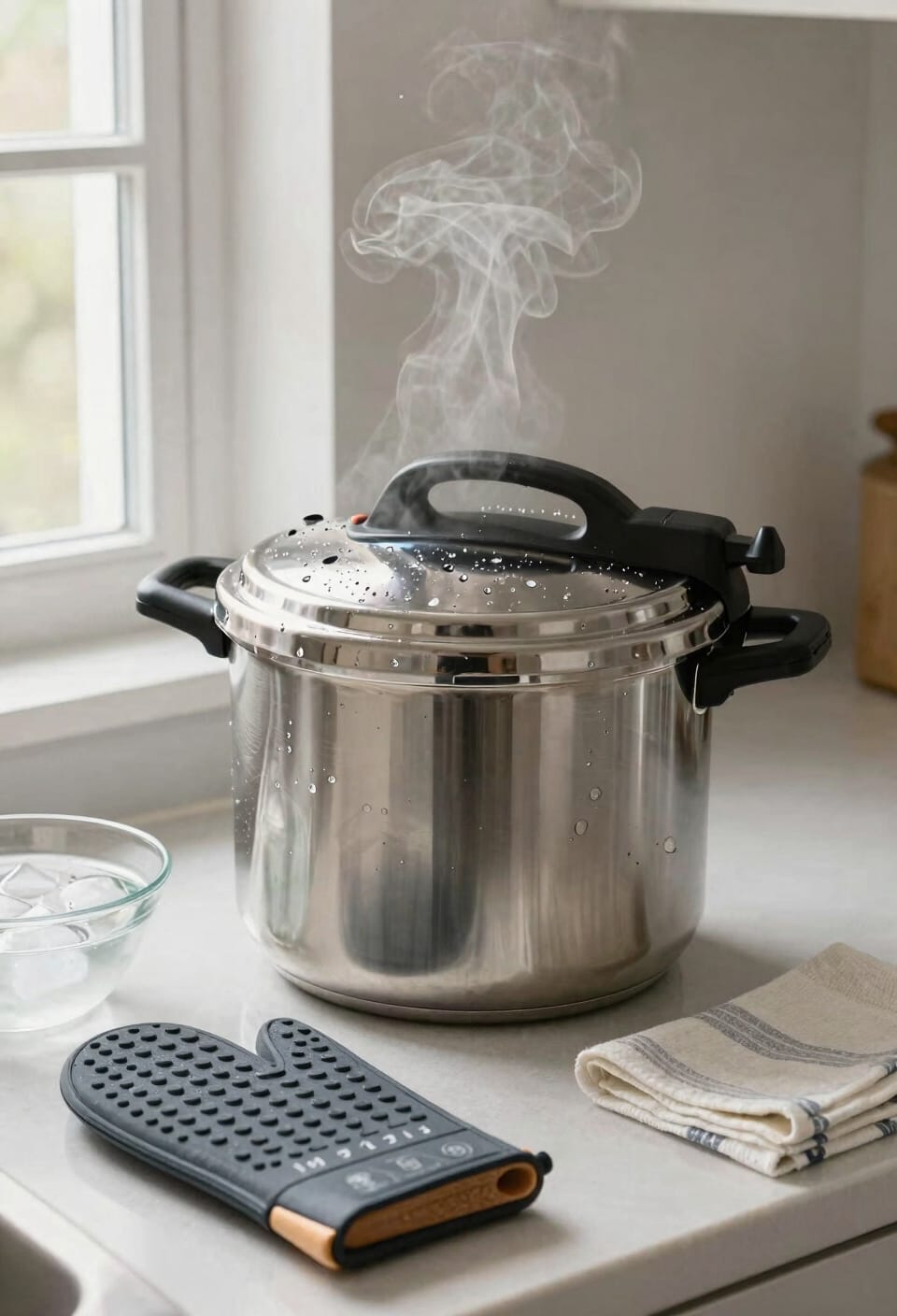
Since your Instant Pot loses all electrical power during an outage, that pressure control system I mentioned earlier? It’s completely gone. You can’t just pop the lid open—that’s how you get sprayed with scalding liquid, and trust me, that’s not the souvenir you want from a power failure.
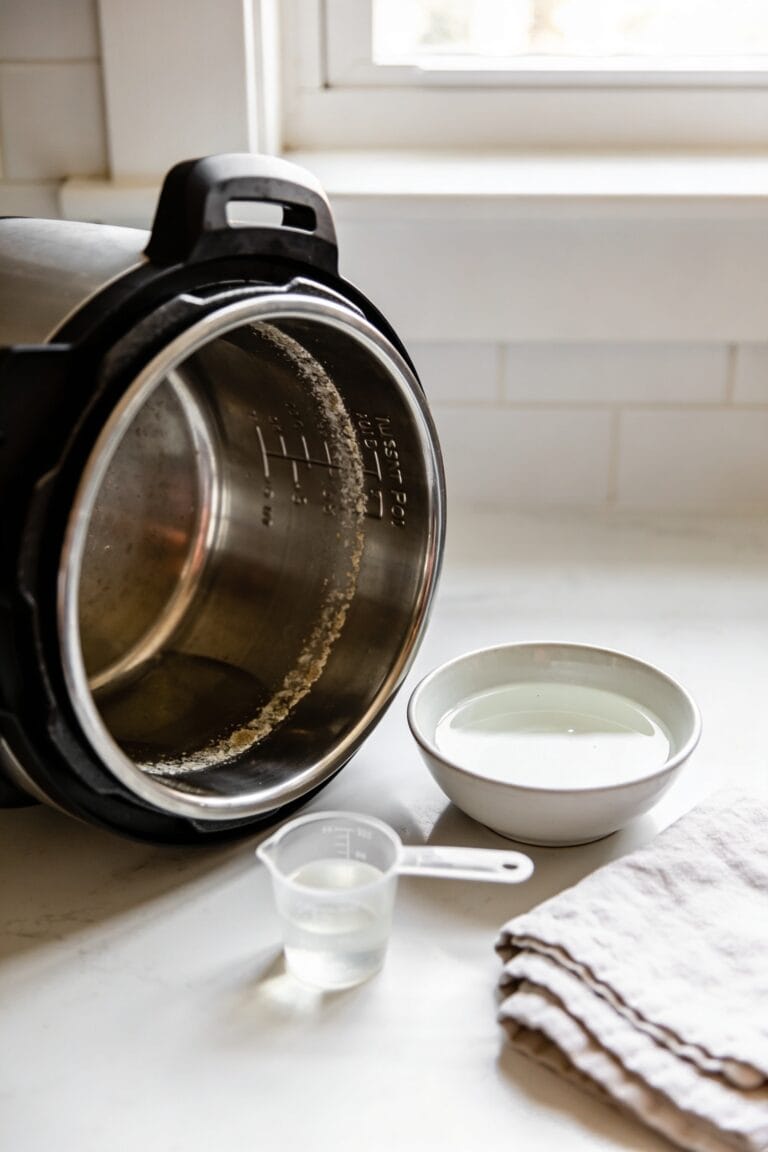
Here’s what you do instead: wait. Let the pot sit undisturbed for at least 10-15 minutes so internal pressure drops naturally. Then use manual venting by carefully moving the steam release valve away from you, keeping your face and hands clear of steam hazards. The valve releases extremely hot steam, so distance matters. Once the pin drops completely, you’re safe to open it. Patience now saves you from a painful trip to urgent care later.
Recommended Products
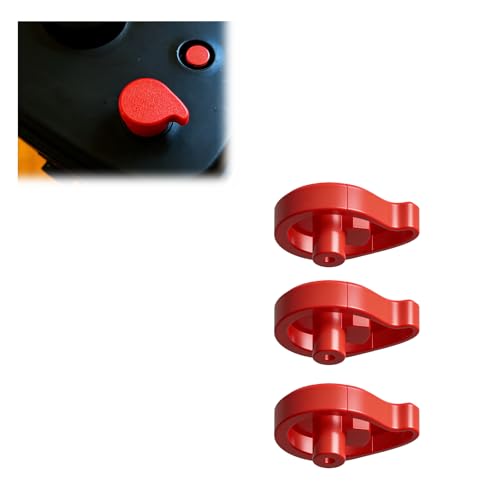
RELIABLE PRESSURE CONTROL:This replacement pressure release button ensures lid functions like new, providing safe and efficient steam venting for every meal

PRECISE PRESSURE CONTROL: Designed as a responsive instant pot pressure release button, this part allows smooth and controlled steam release, reducing sudden bursts and improving safety during cooking

The Complete Pressure Cooker Accessories: Stop searching for individual parts! This all-in-one 10-piece replacement set has everything you need to restore your Pressure Cooker's performance. You'll receive a Silicone Sealing Ring, Steam Release Valve, Float Valve, 3 Float Valve Gaskets, an Anti-Block Shield, an Anti-Block Shroud Bracket, and 2 Valve Sealing Rings. No more guesswork – this kit tackles the most common failure points at once.
Plan Your Cook Time and Inspect Equipment Before Power Fails
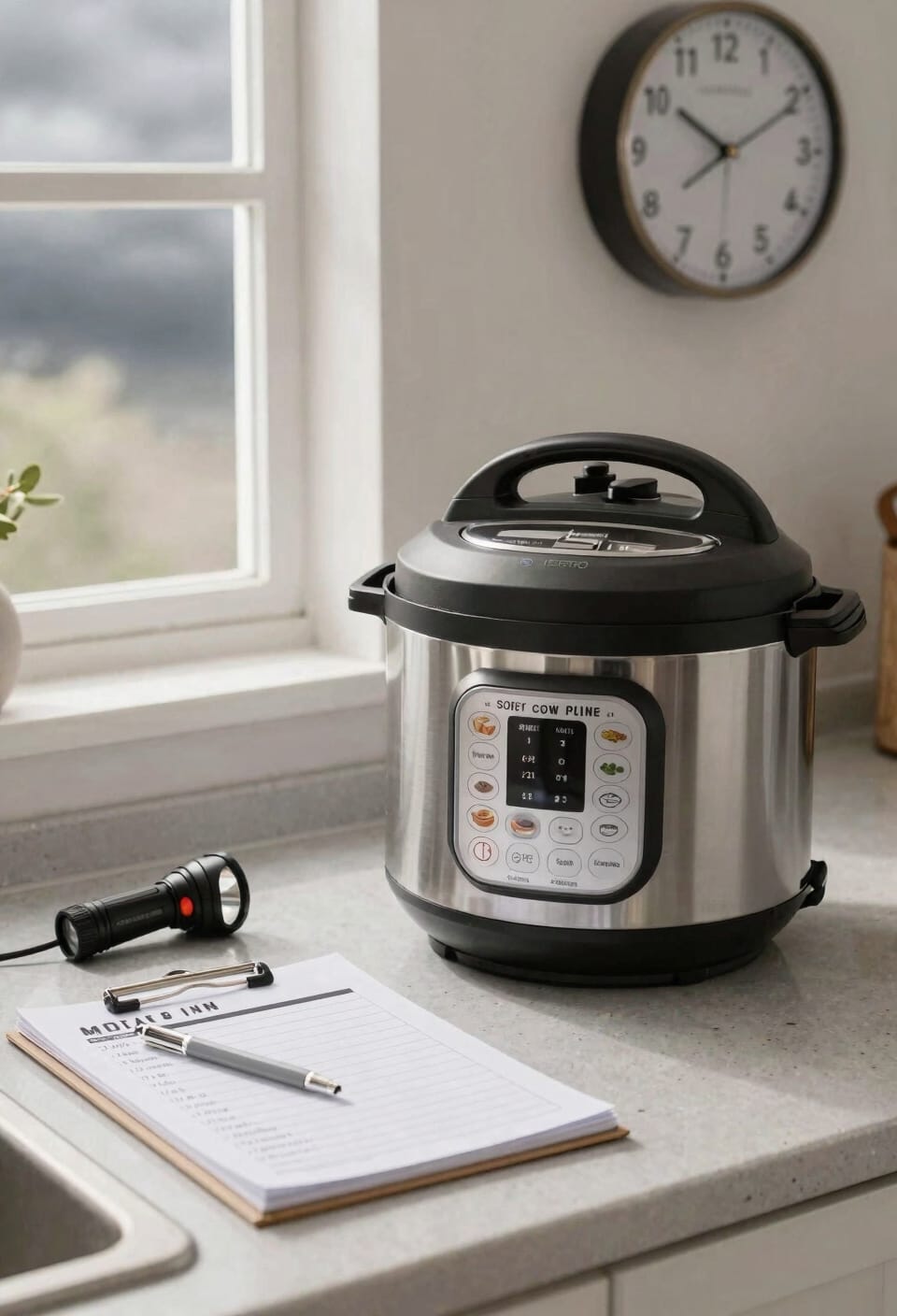
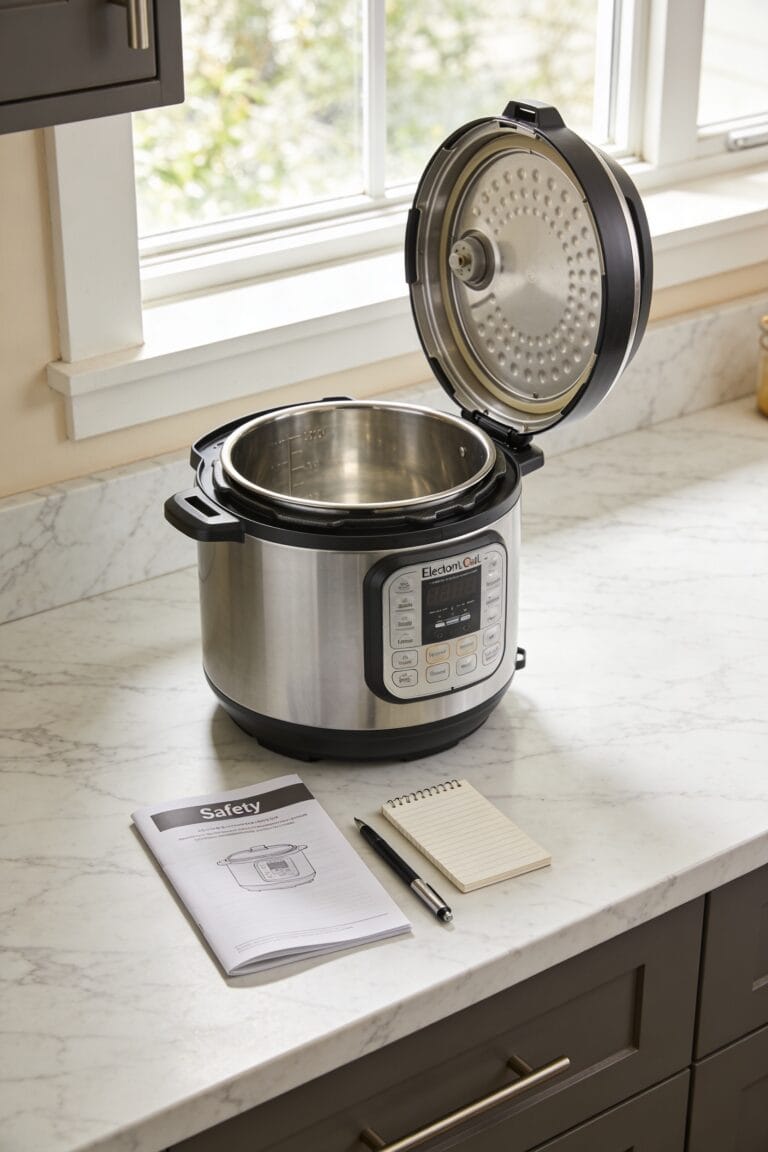
Look, the best way to handle a power outage with your Instant Pot is to not let one catch you mid-cook in the first place. I’m serious about this. Before you even plug in, do your preheating checks—examine those sealing rings for cracks or damage, and make sure your anti-block shield is mounted properly. These aren’t optional. Then schedule buffers into your cooking timeline so you’re not racing against darkness or running the pressure cooker when you know a storm’s rolling in. Never leave your pot unattended while it’s building pressure. Plan your cook times around when you’re home and alert, and honestly, keep a backup plan ready. A little prevention beats a food safety disaster every single time.
Recommended Products


2 RINGS: 2 rings are included - Integral part of the instant pot safety mechanisms; These authentic instant pot sealing rings are designed, engineered, and built with the optimal material to achieve the highest safety standards
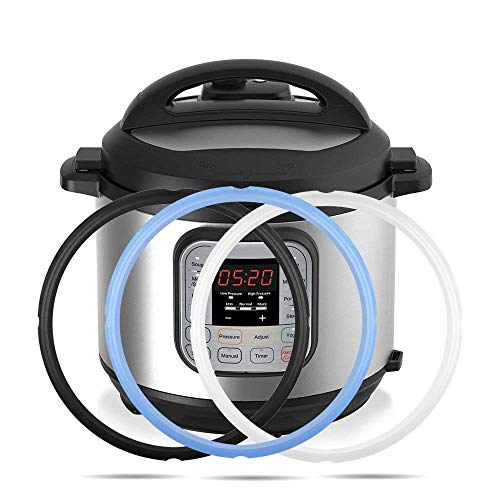
PERFECT FIT - These 6 quart sealing rings fit pressure cooker's Models - IP-DUO60, IP-LUX60, IP-DUO50, IP-LUX50, Smart-60, IP-CSG60, IP-CSG50 and 6qt ultra, for instant pot 5/6 qt seals
Check Your Seals and Anti-Block Shields
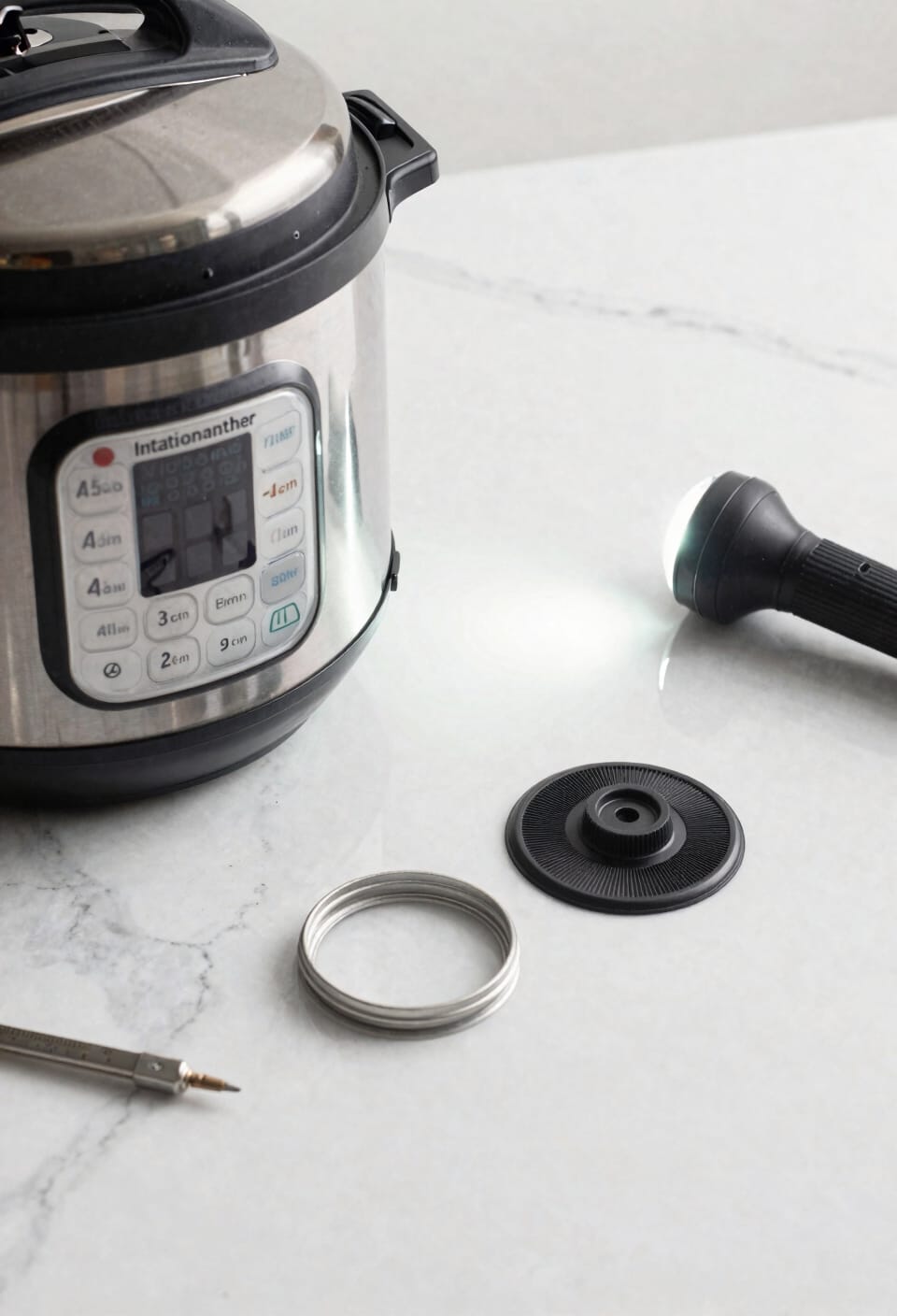
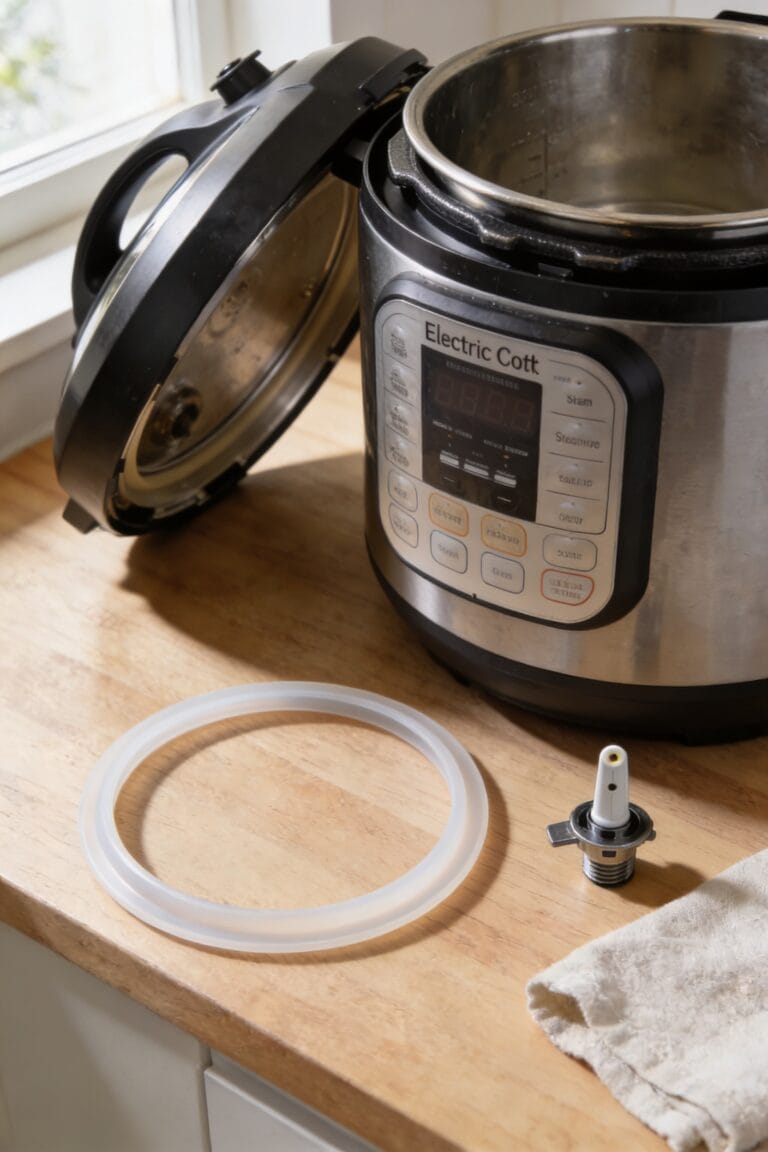
Your sealing ring and anti-block shield are the unsung heroes keeping your Instant Pot functional and safe, so let’s spend a minute actually looking at them before disaster strikes. Here’s the thing: a compromised sealing ring can’t maintain pressure, which means your pot becomes practically useless when the power cuts out. During a sealing inspection, check for cracks, cuts, or deformation—anything that looks suspicious gets the boot. Ring replacement isn’t expensive, and honestly, it’s one of the easiest maintenance tasks you’ll do. Your anti-block shield needs proper mounting too. Take thirty seconds before each cook to verify everything’s seated correctly. This basic prep work drastically reduces complications when emergencies happen, and you’ll sleep better knowing you’ve actually done it.
Recommended Products

Instantpot replacement parts: 2 × instantpot sealing ring, 1 × instantpot steam release valve, 1 × float valve, 3 × float valve gasket, 1 × anti-block shield, 1 x anti-blocking shroud bracket, 2 x valve sealing ring.

The Complete Instantpot Accessories: Stop searching for individual parts! This all-in-one 10-piece replacement set has everything you need to restore your Instantpot's performance. You'll receive a Silicone Sealing Ring, Steam Release Valve, Float Valve, 3 Float Valve Gaskets, an Anti-Block Shield, an Anti-Block Shroud Bracket, and 2 Valve Sealing Rings. No more guesswork – this kit tackles the most common failure points at once.

SUITABLE FOR ALL INSTANT POT 5/6 QUART MODELS - This Silicone Sealing Ring fits instant pot models Duo 6 Quart, Lux 5 Quart, Lux 6 Quart, Duo Plus 6 Quart, Ultra 6 Quart, SMART 6 Quart, Nova Plus 6 Quart, Smart Bluetooth, Max 6 Quart, Duo Evo Plus 6 Quart, Duo SV 6 Quart, Pioneer Woman Lux 6 Quart. Match exactly with your pressure cooker that ensures perfect sealing without any worry of steam escaping.
Keep Cooking During Outages: Sauté Mode and Backup Power Options
When the lights go out and your Instant Pot goes dark, you’ve still got options—and I’m not talking about ordering pizza (though hey, no judgment).
Look, if you’ve got battery generators on hand, you can keep that pressure cooker humming through most outages. But here’s the thing: not everyone’s got backup power sitting around. That’s where sauté mode becomes your best friend. You can still cook on your Instant Pot using just the heating element, though you’ll lose that fancy pressure-cooking magic.
Now, stovetop alternatives aren’t glamorous, but they work when everything else fails. A regular pot, some heat, and patience get dinner on the table. The key? Plan ahead. Know your backup options before the grid goes down, and you won’t be scrambling when it actually happens.
Recommended Products

1800W Ultra-Fast Charging - Featuring an advanced 1800W AC fast charging solution, the OUKITEL powerstation can charge from 0% to 80% capacity in an extremely short time, significantly reducing waiting time. Additionally, the powerstation includes a fast/ slow charging selector switch, allowing users to flexibly choose the charging mode based on the capacity of their local power circuit. This ensures both efficient fast charging and safe operation under older wiring or power-limited conditions, preventing overload risks
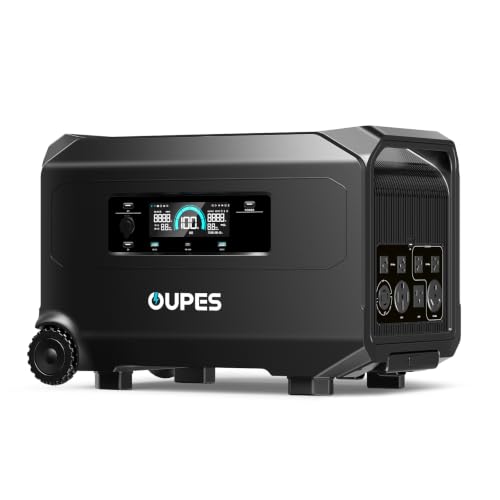
PRO-GRADE POWER DELIVERY with 120V/240V dual voltage capability powers everything from sensitive electronics to heavy-duty tools and home appliances with 240V 6000W continuous output (7200W boost, 9000W surge).

【1-Hour Ultra-Fast Recharging】 Get back to 100% in just about 1 hour with a powerful 1500W AC input. This industry-leading recharge speed ensures your power station is ready for the next outage or adventure in no time, eliminating long waiting periods common with other stations.
Frequently Asked Questions
How Long Does Food Stay Safe in an Instant Pot Without Power?
I’d recommend you discard food that’s been sitting in your Instant Pot without power for more than two hours. Once it enters the cold storage danger zone between 40°F and 140°F, bacterial growth accelerates rapidly, posing serious food poisoning risks.
Will My Instant Pot Automatically Shut off if It Overheats During Power Loss?
Your Instant Pot’s automatic shutdown mechanisms won’t activate during power loss because they require electricity to function. Without power, the thermal fuse and safety systems can’t engage, so you’ll need manual intervention.
What Temperature Range Promotes Dangerous Bacterial Growth in My Instant Pot?
The danger zone for bacterial proliferation in your Instant Pot spans 40°F to 140°F. Food sitting in this temperature range for over two hours shouldn’t be eaten due to rapid bacterial growth risks.
Can I Use My Instant Pot’s Sauté Function During a Power Outage?
No, you can’t use your Instant Pot’s sauté function during a power outage without backup power. Studies show 71% of outages last under 4 hours. Consider manual ignition methods or a battery adapter for cooking continuity.
How Often Should I Inspect My Sealing Ring for Damage or Cracks?
I recommend you inspect your sealing ring quarterly to catch any damage early. You should replace it annually, even without visible cracks, since regular wear compromises its pressure-sealing function over time.
Conclusion
Look, I’ve learned the hard way that your Instant Pot isn’t actually instant when the power dies—it’s just a stainless steel paperweight full of lukewarm regret. But here’s the thing: you’ll survive, your food probably will too, and next time you’ll actually keep those battery packs charged like a responsible adult. Consider this your expensive education in preparedness.